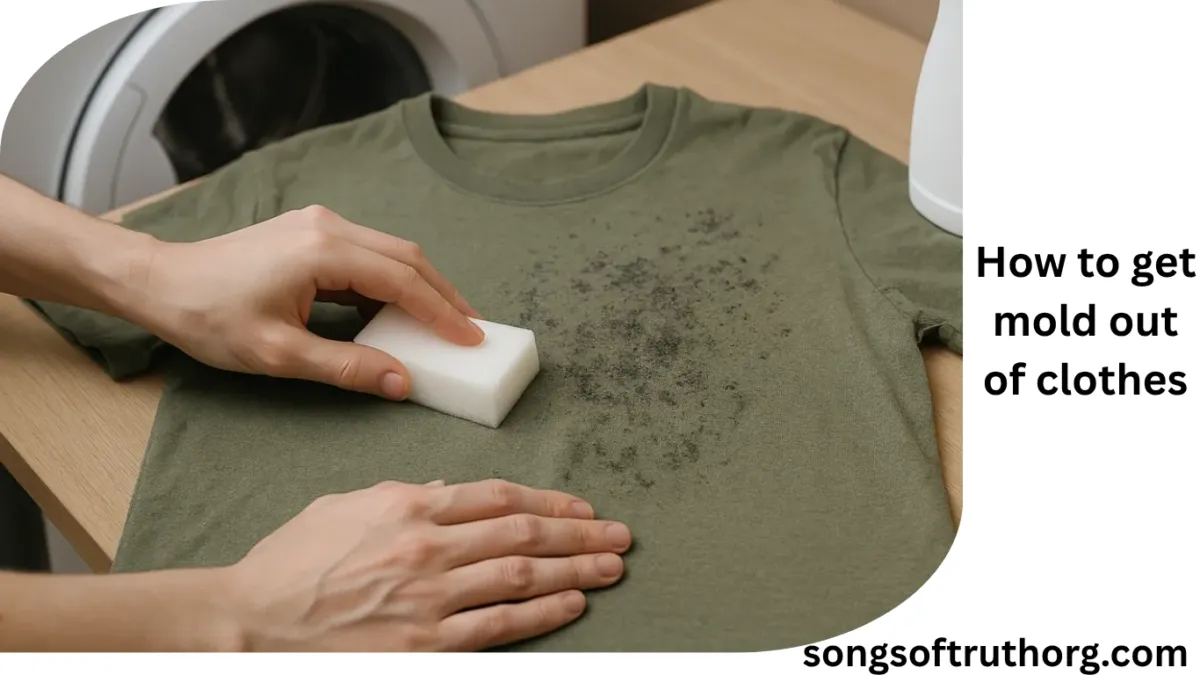
Learning how to get mold out of clothes can save a favorite shirt, towel, jacket, or pair of pants from being thrown away. Mold can grow on clothing when fabric stays damp for too long or is stored in a humid place.
If you are wondering how to get mold out of clothes, the good news is that many washable garments can be cleaned at home. The right method depends on the fabric, the amount of mold, the care label, and how long the clothing has been exposed to moisture.
This guide explains how to get mold out of clothes using simple laundry steps. It also explains how to remove mold stains and musty odors, when bleach may be appropriate, how to treat colored clothes, and when it is better to replace an item.
The most important thing to remember is that how to get mold out of clothes is not only about washing. You also need to remove the source of moisture. Otherwise, mold may return.
Can You Get Mold Out of Clothes?
Yes, you can often get mold out of clothes when the clothing is washable and the mold problem is limited.
Knowing how to get mold out of clothes starts with checking the care label. Cotton shirts, towels, sheets, and many other washable items can usually be cleaned with normal laundry methods.
However, some materials need special care. Wool, silk, leather, suede, and dry-clean-only clothing should not be treated like ordinary cotton clothing.
If you want to know how to get mold out of clothes safely, always start by identifying the fabric.
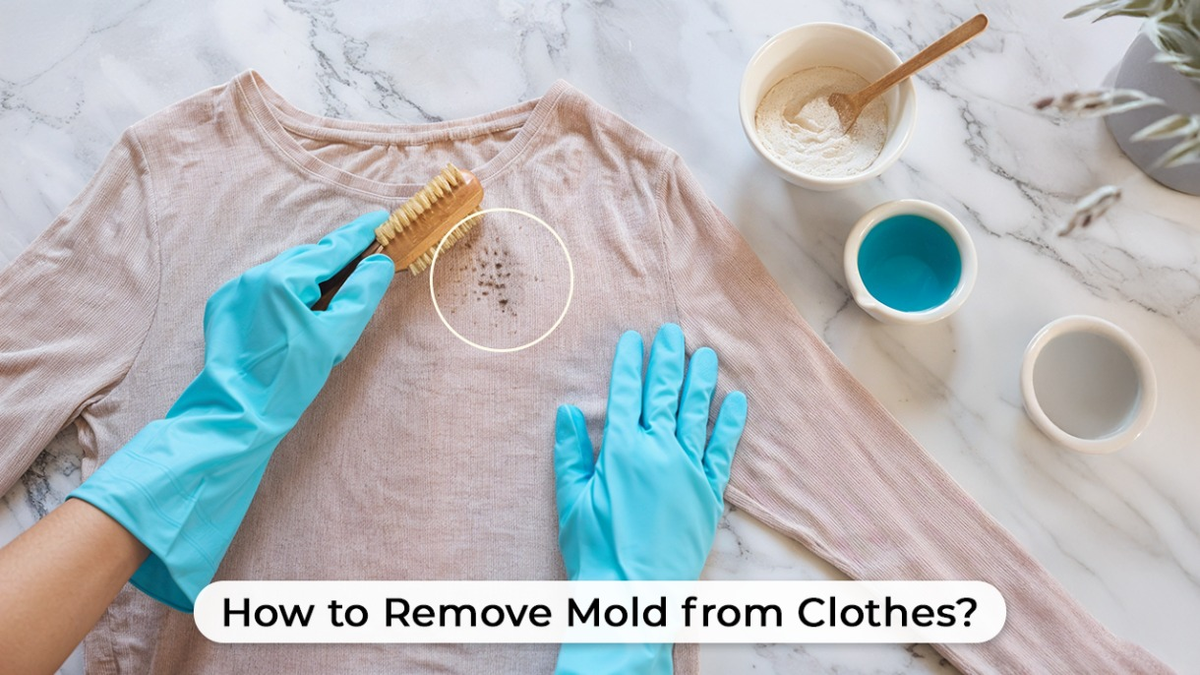
You should also consider how much mold is present. A small mold spot is very different from clothing covered with heavy mold growth.
Also read:What Is Casual Chic Clothing? A Simple Guide to Looking Stylish and Comfortable
Why Does Mold Grow on Clothes?
Understanding why mold grows can make it easier to learn how to get mold out of clothes and prevent the problem from happening again.
Mold needs moisture to grow. Clothing can become moldy when it stays wet, damp, or in a humid environment for a long time.
Common causes include:
- Wet clothes left in a washing machine
- Damp clothes placed in a laundry basket
- Clothes stored before they are completely dry
- High humidity inside a closet
- Water leaks
- Damp basements
- Poor ventilation
- Wet towels left in piles
- Flooding or water damage
- Clothes stored in damp containers
If you understand the moisture problem, you can make how to get mold out of clothes much easier.
Cleaning the garment is important, but stopping the moisture problem is what helps keep mold from returning.
How to Get Mold Out of Clothes Step by Step
The easiest way to learn how to get mold out of clothes is to follow a simple process.
You do not need to use several strong chemicals. In many cases, careful handling, detergent, appropriate washing, and complete drying are enough.
1. Separate the Moldy Clothes
The first step in how to get mold out of clothes is separating affected garments from clean laundry.
Do not mix moldy clothing with clothes that are already clean.
Place affected clothing in a separate area until you are ready to clean it.
If you have different fabrics, separate them according to their care labels.
2. Check the Care Label
The care label is one of the most important parts of how to get mold out of clothes safely.
Check whether the garment can be:
- Machine washed
- Hand washed
- Washed with warm water
- Washed with hot water
- Treated with bleach
- Treated with non-chlorine bleach
- Tumble dried
If the label says dry clean only, do not put the garment into a normal washing machine.
3. Avoid Shaking Moldy Clothing Indoors
Another important part of how to get mold out of clothes is careful handling.
Do not aggressively shake moldy clothing inside your bedroom, closet, or laundry room.
Heavy shaking can spread mold particles into the surrounding area.
If practical, handle visibly moldy clothing outdoors or in a controlled area where loose contamination is less likely to spread throughout the home.
4. Remove Loose Mold Carefully
Before washing, gently remove loose mold or dirt when appropriate.
Do not aggressively brush delicate fabric.
The goal is to remove loose contamination without spreading it around your home.
This step can make how to get mold out of clothes more effective because the washing machine does not have to deal with as much loose material.
5. Pretreat Mold Stains
Pretreating is another useful part of how to get mold out of clothes.
Apply a suitable laundry stain treatment or a small amount of laundry detergent to the affected area.
Follow the product instructions and consider testing the product on an inconspicuous area when appropriate.
Do not scrub delicate fabric too hard.
6. Wash With Laundry Detergent
Washing is the main step in how to get mold out of clothes.
Place washable clothing into the washing machine and use a suitable laundry detergent.
Choose the warmest water setting that the clothing can safely handle.
Hot water may be appropriate for some fabrics, but it can damage others.
Always follow the care label.
7. Use Oxygen Bleach When Appropriate
If you are still learning how to get mold out of clothes, you may wonder whether bleach is necessary.
It is not always necessary.
For some washable clothing, a fabric-safe oxygen bleach can help with stains and odors.
Oxygen bleach is different from chlorine bleach and is often used for colored or washable fabrics when the product label allows it.
Follow the instructions on the product.
8. Rinse the Clothing Well
After washing, make sure the clothing has been rinsed properly.
A strong detergent smell does not mean the garment is cleaner.
If the garment still has visible mold or a strong musty smell, you may need another appropriate cleaning cycle.
9. Dry the Clothing Completely
Complete drying is one of the most important parts of how to get mold out of clothes.
Do not fold damp clothing.
Use a dryer if the care label allows it.
Otherwise, air-dry the garment in a clean, dry, well-ventilated place.
Clothing should be completely dry before it is stored.
10. Inspect the Clothing
The final step in how to get mold out of clothes is checking the garment after it has dried.
Look for:
- Remaining mold
- Dark spots
- Musty smells
- Damp areas
- Fabric damage
- New mold growth
If the garment looks clean and smells normal, it may be ready to use again.
How to Get Mold Out of Clothes Without Bleach
Many people want to know how to get mold out of clothes without bleach because bleach can damage certain fabrics.
In many cases, you can start with regular laundry detergent.
A simple process is:
- Separate the affected clothing.
- Check the care label.
- Remove loose contamination carefully.
- Pretreat the affected area.
- Wash with detergent.
- Use a color-safe oxygen bleach if appropriate.
- Rinse well.
- Dry completely.
This method can be a good option for colored clothes and fabrics that should not be exposed to chlorine bleach.
The most important thing is to use products that are compatible with the fabric.
How to Get Mold Out of White Clothes
White clothing gives you more cleaning options, but you still need to check the care label.
If the garment is bleach-safe, chlorine bleach may be an option.
If you are deciding how to get mold out of clothes that are white, start with normal washing and detergent.
For stubborn stains, follow the bleach product instructions carefully.
Never assume that every white garment can safely be treated with chlorine bleach.
Some white fabrics can still be damaged by bleach.
How to Get Mold Out of Colored Clothes
Learning how to get mold out of clothes becomes more difficult when the clothing is brightly colored.
Chlorine bleach can remove dyes and leave lighter spots.
For colored clothes, consider:
- Regular laundry detergent
- Color-safe stain remover
- Oxygen bleach designed for colors
- The warmest safe wash setting
- Complete drying
Before applying a new product to the entire garment, check the product instructions and test it on a hidden area if recommended.
How to Get Mold Out of Clothes and Remove Musty Odors
Sometimes you can get mold out of clothes but still notice a musty smell.
This can happen when clothing has been stored in a damp environment.
If you want to know how to get mold out of clothes and remove the smell, wash the garment thoroughly with detergent.
You can use a suitable oxygen bleach product if the fabric allows it.
After washing, dry the garment completely.
Letting the garment air out in a clean and dry area can also help.
If the odor keeps returning, inspect the closet, laundry basket, washer, basement, or storage area.
The smell may be coming from a moisture problem rather than the clothing itself.
How to Get Mold Out of Towels
Towels can develop mold or mildew when they stay wet for too long. To learn how to get mold out of clothes and towels, separate the affected towels, check the care label, and wash them with detergent using the warmest safe setting. Use oxygen bleach if suitable, then rinse and dry the towels completely. Always hang wet towels so they can dry properly.
How to Get Mold Out of Clothes That Smell Bad
A strong musty smell usually means the clothes have been exposed to moisture. To learn how to get mold out of clothes that smell bad, wash them with detergent and use a suitable odor or stain treatment if needed. Rinse and dry the clothes completely. If the smell remains after proper cleaning, the fabric may be permanently affected and replacing it may be the better option.
How to Get Mold Out of Clothes Using Vinegar
Vinegar is a popular home remedy, but it should not be treated as a guaranteed solution for every mold problem.
If you are researching how to get mold out of clothes with vinegar, remember that fabric type matters.
Vinegar can be useful for some laundry odors, but it is not necessary for every moldy garment.
Most importantly, never mix vinegar with chlorine bleach.
Combining cleaning chemicals can create dangerous reactions.
If you choose to use a laundry product, follow its label and use it as directed.
How to Get Mold Out of Clothes With Baking Soda
Baking soda is commonly used to freshen laundry and reduce some odors.
However, baking soda should not replace proper washing when visible mold is present.
If you are trying to understand how to get mold out of clothes, think of baking soda as an optional laundry aid rather than the main mold-removal method.
Wash the garment properly and dry it completely.
How to Get Mold Out of Clothes With Hydrogen Peroxide
Hydrogen peroxide is sometimes used for stain treatment.
However, it can affect the color of some fabrics.
If you are considering how to get mold out of clothes with hydrogen peroxide, check the product instructions and fabric type first.
Do not combine hydrogen peroxide with other cleaning chemicals unless the product instructions specifically allow it.
For everyday clothing, a suitable laundry detergent and fabric-safe treatment are often simpler choices.
How to Get Mold Out of Clothes That Have Been Sitting for Months
Old mold stains can be difficult to remove.
If clothing has been sitting in a damp place for months, mold may have caused permanent staining or fabric damage.
When considering how to get mold out of clothes that have been stored for a long time, first inspect the fabric.
If it is still strong and washable, use an appropriate cleaning process.
Do not keep increasing the strength of cleaning chemicals simply because the stain does not disappear.
The mold may be gone even if the discoloration remains.
How to Get Mold Out of Clothes After a Flood
Flood-damaged clothing requires more caution than normal moldy laundry.
Floodwater can contain sewage, bacteria, chemicals, and other contaminants.
If you are researching how to get mold out of clothes after flooding, first consider what type of water contacted the clothing.
For clothing affected by ordinary floodwater, remove dirt and mud carefully and follow the care label for washing.
Clothing contaminated by sewage or heavily polluted water may require professional advice.
Do not treat heavily contaminated flood clothing like a normal laundry load.
How to Get Mold Out of Dry-Clean-Only Clothes
Dry-clean-only clothing should not be placed in a normal washing machine unless the manufacturer specifically permits it.
If you need to know how to get mold out of clothes that are dry-clean-only, keep the garment separate and contact a professional cleaner.
Also read:How to Make a Nice Outfit: A Simple Guide to Looking Stylish and Put-Together
Tell the cleaner that the clothing has mold or suspected mold.
This is especially important for expensive suits, coats, formal clothing, wool, silk, and sentimental garments.
How to Get Mold Out of Leather and Suede Clothes
Leather and suede need special treatment.
Do not use the same method you would use for a cotton shirt.
If you are searching for how to get mold out of clothes made from leather or suede, check the manufacturer’s cleaning instructions.
Household bleach and strong cleaning chemicals can damage these materials.
For valuable leather or suede clothing with significant mold growth, professional cleaning may be the safest option.
How to Get Mold Out of Shoes
Shoes can contain several different materials.
A single shoe may have leather, fabric, rubber, foam, synthetic materials, and adhesives.
This makes how to get mold out of clothes and shoes a little different.
Always check the shoe manufacturer’s cleaning instructions.
Washable fabric shoes may be cleaned with a suitable method.
Leather and suede shoes usually need specialized products.
After cleaning, allow shoes to dry completely before placing them in a closet.
How to Get Mold Out of Clothes From a Damp Closet
A damp closet can be a major reason clothes become moldy.
If you are trying to learn how to get mold out of clothes from a closet, do not focus only on the clothing.
Inspect the closet itself.
Look for:
- Damp walls
- Water stains
- Musty odors
- Visible mold
- Poor airflow
- Condensation
Remove moisture from the area.
Improve airflow.
Do not put cleaned clothing back into a damp closet.
Otherwise, the mold may return.
How to Get Mold Out of Clothes From a Washing Machine
Sometimes the problem starts in the laundry room.
If wet clothes remain inside a washing machine for a long time, they can develop a musty smell.
If you are learning how to get mold out of clothes and your washer smells bad, inspect the washing machine as well.
Follow the manufacturer’s instructions for cleaning the washer.
Do not leave wet clothes sitting inside the machine unnecessarily.
Move clean laundry to the dryer or drying area as soon as practical.
How to Get Mold Out of Clothes and Prevent It From Returning
Getting mold out of clothing is only part of the solution.
You also need to keep the clothing dry.
Helpful habits include:
- Dry clothes completely before storage.
- Do not leave wet laundry in the washer.
- Hang wet towels so they can dry.
- Keep closets clean and dry.
- Improve airflow.
- Fix plumbing leaks quickly.
- Reduce excessive indoor humidity.
- Avoid overcrowding closets.
- Check damp storage areas regularly.
If you understand how to get mold out of clothes but ignore the moisture source, the problem can return.
How Humidity Affects Moldy Clothes
Humidity plays an important role in mold growth.
High indoor humidity can make closets, bedrooms, bathrooms, and laundry rooms more likely to develop moisture problems.
The EPA recommends keeping indoor relative humidity below 60%, ideally between 30% and 50% when possible.
If your home is consistently humid, a dehumidifier or air conditioner may help control moisture.
This is an important part of how to get mold out of clothes because prevention begins with a dry environment.
How to Get Mold Out of Clothes Without Damaging Fabric
The safest cleaning method depends on the fabric.
Before using a cleaning product, ask:
- Is the fabric washable?
- Is it colorfast?
- Does the care label allow bleach?
- Can it tolerate warm or hot water?
- Can it be tumble dried?
- Is it delicate?
When learning how to get mold out of clothes, avoid treating every garment in exactly the same way.
Cotton, polyester, wool, silk, leather, and spandex can react differently to cleaning products.
Should You Wash Moldy Clothes Separately?
Separating moldy clothes is a good practice.
If you are learning how to get mold out of clothes, keeping affected clothing separate makes the cleaning process easier to control.
It also prevents you from accidentally mixing mold-affected clothing with clean laundry.
After washing, dry the clothing completely before returning it to your normal storage area.
Can You Get Mold Out of Clothes With Hot Water?
Hot water can be useful for some washable fabrics, but it is not suitable for every garment.
If you are researching how to get mold out of clothes with hot water, check the care label first.
Some fabrics can shrink, fade, stretch, or become damaged by high temperatures.
Use the warmest setting that the garment safely allows.
Do not use extreme heat simply because you are trying to remove mold.
Can Drying Alone Get Mold Out of Clothes?
Drying is important, but drying alone is not a complete answer to how to get mold out of clothes.
Visible mold and residue should be removed through appropriate cleaning.
Drying helps prevent moisture from supporting additional growth.
Think of the process as cleaning plus complete drying, not drying alone.
When Should You Throw Moldy Clothes Away?
Sometimes replacing clothing is the better option.
You may want to discard an item when:
- Mold covers a large area.
- The fabric is badly damaged.
- The item still has a strong mold odor after proper cleaning.
- The garment cannot be safely washed.
- The clothing was heavily contaminated by sewage.
- The material is deeply affected.
- Mold repeatedly returns.
If the clothing is expensive or sentimental, consider professional advice before throwing it away.
Common Mistakes When Learning How to Get Mold Out of Clothes
There are several mistakes that can make the problem worse.
Using Too Much Bleach
More bleach does not mean better cleaning.
Too much bleach can damage fibers and colors.
Always follow the product instructions.
Mixing Cleaning Products
Never mix chlorine bleach with ammonia or incompatible cleaning products.
Dangerous fumes can result.
Ignoring the Care Label
The care label tells you what the fabric can safely handle.
Ignoring it can turn a mold problem into permanent fabric damage.
Storing Clothes While Damp
Damp clothing can quickly develop a musty smell and mold.
Always dry clothes completely before storing them.
Only Covering the Smell
Air fresheners and perfumes can hide an odor temporarily.
They do not solve a moisture or mold problem.
Putting Moldy Clothes Back Into a Damp Closet
Even if you successfully get mold out of clothes, returning them to a damp environment can cause the problem to return.
Always address the source of moisture.
A Simple Mold Removal Method for Everyday Washable Clothes
If you want to know how to get mold out of clothes, start by separating the moldy items and checking their care labels. Remove loose mold carefully, pretreat the stains, and wash the clothes with detergent using the warmest safe water setting. Use oxygen bleach if the fabric allows it. Rinse well, dry the clothes completely, and check them before storing. Finally, fix the moisture problem to stop mold from coming back.
The Best Way to Think About Mold Removal From Clothes
A useful way to understand how to get mold out of clothes is to think about three separate problems.
The first problem is the mold on the clothing.
The second problem is the stain or odor.
The third problem is the moisture that allowed mold to grow.
You may successfully clean the clothing but still have a problem if the storage area remains damp.
For example, imagine a shirt that becomes moldy inside a humid closet. You wash it and remove the visible mold. If you place the clean shirt back into the same damp closet, the problem may return.
That is why moisture control is one of the most important parts of how to get mold out of clothes.
When to Get Professional Help
Home cleaning may be reasonable for a small amount of mold on washable clothing.
However, professional help may be appropriate when:
- Mold affects a large amount of clothing.
- There has been major water damage.
- Clothing has been exposed to sewage.
- Mold is present throughout a room or home.
- You suspect hidden mold.
- The garment is expensive or highly valuable.
- The material is delicate.
- You are unsure whether the clothing can be safely cleaned.
A professional can help determine whether an item can be restored or should be replaced.
Frequently Asked Questions About How to Get Mold Out of Clothes
Can mold stains come out of clothes completely?
Sometimes they can, but not always. Mold may leave permanent discoloration even after the mold has been removed. The condition of the fabric and how long the mold was present can affect the result.
How quickly should you clean moldy clothes?
Clean affected clothing as soon as practical. The longer fabric remains damp, the greater the chance that mold and odors will become more difficult to remove.
Can mold grow on clothes inside plastic bags?
Yes. If clothes are placed into a plastic bag while damp, moisture can become trapped. This creates an environment where mold may grow.
Should moldy clothes be washed before donating them?
No. Do not donate clothing that still has visible mold, strong mold odors, or other contamination. Clean and inspect clothing thoroughly before considering donation.
Can mold damage the actual fibers of clothing?
Yes. Long-term mold growth can weaken or discolor some fabrics. If the material has become brittle, damaged, or structurally weak, cleaning may not restore it.
Final Thoughts
Knowing how to get mold out of clothes can help you save many washable garments. The basic process is simple: separate the affected clothing, check the care label, remove loose contamination carefully, pretreat stains, wash with detergent, use a suitable fabric-safe treatment when needed, rinse well, and dry completely.
The most important lesson about how to get mold out of clothes is that cleaning alone is not enough. You also need to find and fix the moisture problem. A damp closet, wet laundry basket, humid basement, leaking pipe, or poorly ventilated bathroom can cause mold to return.
If the garment is washable and only lightly affected, proper laundry care may be enough. For delicate, expensive, heavily contaminated, or flood-damaged clothing, professional cleaning may be a safer choice.
With the right cleaning method and good moisture control, you can often keep your clothes fresh, dry, and free from recurring mold problems.
Explore more lifestyle tips and practical guides on Songoftruth.org.