
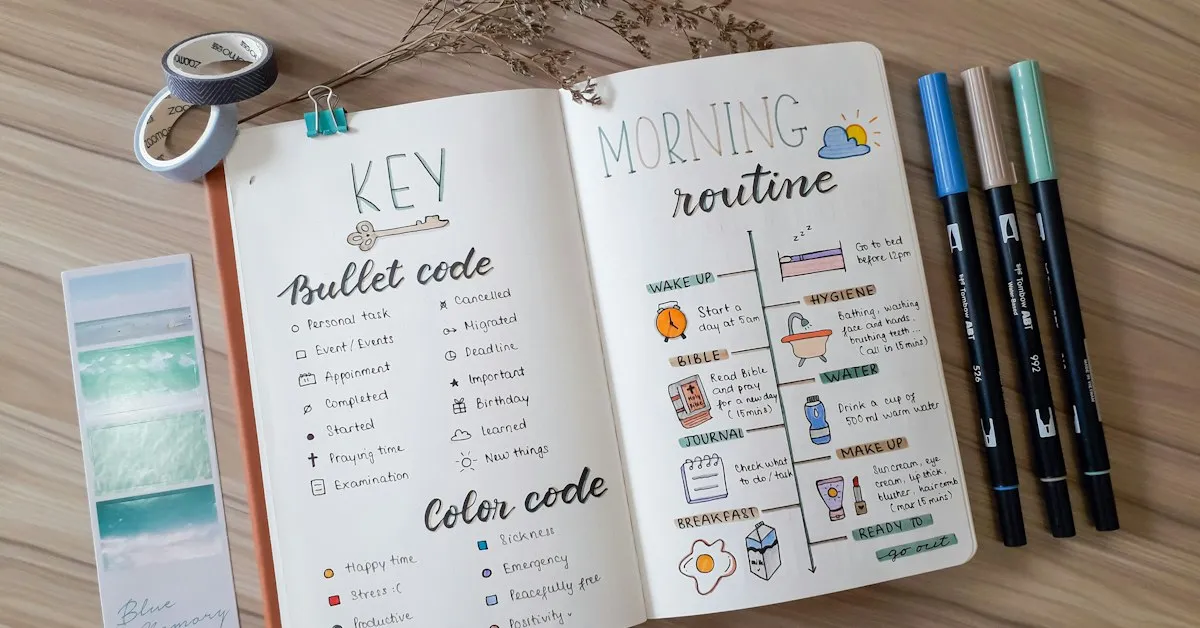
To build a daily routine that sticks, start with one or two small habits, attach them to things you already do every day, and keep them easy enough to repeat even on a bad day. Consistency matters far more than intensity, so a short routine you follow most days beats an ambitious plan you abandon after a week.
In this Songoftruth.org guide, we break the process into clear steps you can begin today. You will learn how to choose the right habits, set up anchors and reminders, and recover quickly when life gets in the way.
Key Takeaways
- Begin with one or two tiny habits rather than a full routine overhaul.
- Link each new habit to an existing cue, such as making coffee or brushing your teeth.
- Prepare your environment so the right choice is the easy choice.
- Track progress simply and aim for “most days”, not perfection.
- Plan a shorter backup version of your routine for busy or low-energy days.
Why Most Routines Fall Apart
Many routines fail because they ask for too much, too soon. Waking an hour earlier, exercising, journaling and meal prepping all at once can feel exciting on day one and exhausting by day five.
Other routines rely on motivation alone, which rises and falls with mood, sleep and stress. A routine that sticks is built on structure instead.
If you often delay getting started, our guide on how to overcome procrastination easily pairs well with the steps below.
Step 1: Decide What Your Routine Is For
Before choosing habits, get clear on the outcome you want. Do you want calmer mornings, more energy, better focus at work or more time for yourself in the evening?
A clear purpose helps you pick habits that matter. Write your goal in one sentence, such as “I want to start work feeling prepared instead of rushed.”
Step 2: Start Smaller Than You Think
Pick one or two habits and shrink them until they feel almost too easy. Instead of “exercise for an hour”, try “put on walking shoes and walk for ten minutes”. Instead of “read every night”, try “read two pages before bed”.
Small habits are easier to repeat, and repetition is what turns an action into a routine. Once a habit feels automatic, you can extend it or add the next one.
Habits That Work Well as Starting Points
- Drinking a glass of water after you wake up.
- Making your bed before leaving the bedroom.
- Writing tomorrow’s top three tasks before you finish work.
- A short walk after lunch or dinner.
- Putting your phone on charge outside the bedroom at a set time.
Step 3: Anchor New Habits to Existing Ones
You already have daily anchors: brewing coffee, brushing your teeth, starting your commute, sitting down at your desk. Linking a new habit to one of these gives it a natural trigger.
A simple formula is “After I [existing habit], I will [new habit].” For example, “After I pour my morning coffee, I will stretch for two minutes.” The existing habit does the remembering for you.
Example Daily Routine Framework
| Time of Day | Existing Anchor | New Habit | Easy Backup Version |
|---|---|---|---|
| Morning | Turning off the alarm | Drink water and open the curtains | Drink a few sips of water |
| Start of work | Opening your laptop | Review your top three tasks | Pick just one priority |
| Midday | Finishing lunch | Take a ten-minute walk | Stand and stretch for two minutes |
| Evening | Clearing the dinner table | Tidy one area for five minutes | Put away three items |
| Bedtime | Brushing your teeth | Phone away and read a few pages | Dim the lights and put the phone down |
Step 4: Make the Right Choice the Easy Choice
Your surroundings shape your behavior more than you might expect. Reduce friction for the habits you want and add friction for the ones you do not.
Lay out your workout clothes the night before, keep a water bottle on your desk and leave a book on your pillow. If you want to scroll less at night, charge your phone in another room.
A tidy, well-organized home makes this much easier. Our home organization hacks can help you set up spaces that support your routine. Even your closet plays a part, since capsule wardrobe basics can cut morning decision time down to a minute or two.
Step 5: Protect Your Sleep and Movement
Almost every routine depends on energy, and energy depends heavily on rest. Going to bed and waking up at roughly the same time each day is one of the most helpful anchors you can build, a habit the CDC highlights in its guidance on healthy sleep.
Regular movement supports energy and mood too. The CDC’s physical activity guidelines for adults recommend about 150 minutes of moderate activity each week, which can be spread across short daily walks.
If you have ongoing trouble sleeping or a health condition that affects your energy, talk with a doctor or other healthcare professional before making big changes. For more ideas on everyday wellbeing, browse our healthy living articles.
Step 6: Track Progress Without Obsessing
A simple tracker helps you see your progress. The Songoftruth.org team likes a paper calendar where you tick each day, but a phone note or basic habit app works too.
Aim for “most days” rather than a perfect streak. Missing one day is normal. The goal is to avoid missing two days in a row, so one slip does not turn into a lost week.
Step 7: Plan for Off Days
Busy weeks, travel, illness and low moods will happen. A routine that sticks has a backup plan built in, so you can keep the habit alive in a smaller form.
Decide in advance what your minimum version looks like. Maybe it is two minutes of stretching instead of a full workout, or one page instead of a chapter. On especially full weeks, our guide to simple self-care for busy weeks offers gentle ways to stay on track.
Be kind to yourself when things slip. Self-criticism tends to drain motivation, while a calm restart gets you back on track faster.
Putting It All Together
Building a routine is less about willpower and more about design. Start tiny, link habits to anchors, shape your environment and plan for imperfect days.
Give each new habit a few weeks before judging it. Once it feels automatic, add the next small step. For more practical shortcuts, explore our life hacks collection or head back to Songoftruth.org for fresh everyday living guides.
Frequently Asked Questions
How long does it take for a daily routine to stick?
It varies from person to person and habit to habit. Simple actions, like drinking water after waking, may feel natural within a few weeks, while bigger changes can take months. Rather than counting days, focus on repeating the habit consistently and making it easier, and it will gradually require less effort.
Should I start with a morning or evening routine?
Start with whichever part of the day feels most chaotic or most important to you. Many people find that a simple evening routine, such as planning tomorrow and setting out clothes, makes mornings much smoother. Pick one window, build one or two habits there and expand once they feel automatic.
What should I do if I keep breaking my routine?
Make the habits smaller and check whether your anchors are reliable. If you keep skipping a habit, it may be too big, poorly timed or not linked to a clear cue. Create a two-minute backup version, aim to never miss twice in a row and restart calmly instead of starting over.
How many habits should a daily routine include?
Begin with one or two habits only. Adding too many at once spreads your attention thin and makes it easier to quit. Once those first habits feel automatic, add another small step. Over time, a handful of well-chosen habits can form a full routine that supports your energy, focus and wellbeing.