Learning how to make a nice outfit does not require a huge wardrobe, expensive designer clothing, or a perfect sense of fashion. A good outfit is usually about choosing pieces that work well together, fit your body comfortably, match the occasion, and reflect your personal style.
Many people make outfit building more complicated than it needs to be. They buy more clothes when they actually need better combinations. A closet full of clothing does not automatically make getting dressed easier. What matters is knowing how to combine colors, shapes, textures, shoes, and accessories in a way that looks intentional.
The good news is that outfit building is a skill you can learn. Once you understand a few basic principles, you can create attractive looks for everyday life, work, school, dates, parties, travel, and special events.
This guide explains how to make a nice outfit from the basics, how to choose colors, how clothing should fit, how to match shoes and accessories, and how to make simple clothes look more polished.
What Makes an Outfit Look Nice?
A nice outfit does not have one universal formula. Style is personal, and different people prefer different colors, silhouettes, and aesthetics.
However, most well-put-together outfits have a few things in common.
The clothing usually fits reasonably well. The colors look intentional. The pieces suit the occasion. The shoes work with the overall style. Accessories add something without making the outfit feel crowded. Most importantly, the person wearing the clothes looks comfortable and confident.
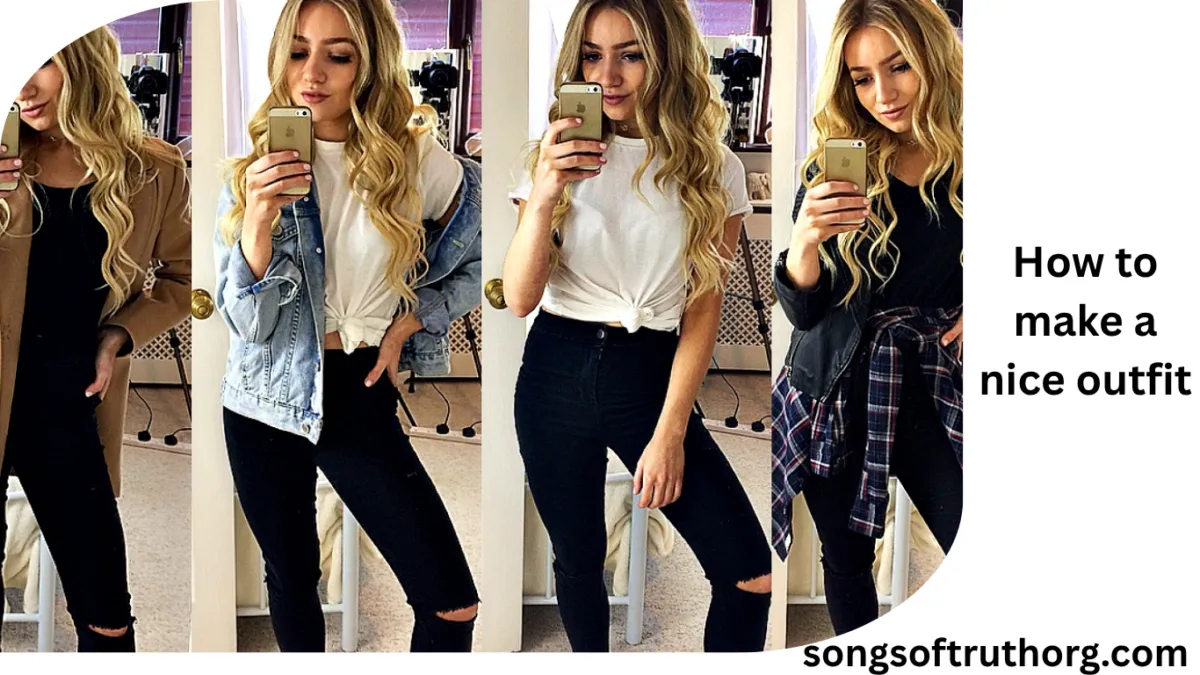
A simple outfit such as jeans, a clean T-shirt, sneakers, and a jacket can look excellent when the pieces fit well and complement each other.
A more expensive outfit can look less attractive if the clothes do not fit properly or the colors compete with one another.
The goal is not to wear more. The goal is to make better choices.
Start With the Occasion
Before choosing your clothes, think about where you are going and what you will be doing. A casual outing may need jeans, a simple top, and sneakers, while a workplace may call for trousers, a blouse or button-down shirt, and polished shoes. A wedding or formal event may require dressier clothing based on the dress code. Choosing an outfit that matches the occasion helps you look appropriate, comfortable, and well put-together.
Build Your Outfit Around One Main Piece
One of the easiest ways to make a nice outfit is to choose one piece first.
This might be:
- A favorite pair of jeans
- A patterned skirt
- A blazer
- A statement jacket
- A colorful sweater
- A special pair of shoes
- A printed dress
Once you have your main piece, build the rest of the outfit around it.
If your jacket has a strong pattern, for example, keep the other pieces relatively simple.
If your shoes are colorful, you can use neutral clothing to let the shoes stand out.
This creates a visual center and prevents the outfit from feeling random.
Choose a Simple Color Palette
Color is one of the most important parts of outfit building.
You do not need to understand advanced color theory to create a stylish look.
A simple starting point is to combine one or two main colors with neutrals.
Useful neutral colors include:
- Black
- White
- Gray
- Navy
- Beige
- Brown
- Cream
- Denim
For example, navy trousers, a white shirt, and brown shoes create an easy combination.
Black jeans, a gray sweater, and white sneakers create another simple look.
Using a limited color palette makes it easier for different pieces to work together.
How to Combine Colors in an Outfit
There are several easy approaches to color matching.
One approach is monochromatic dressing, where you use different shades of the same color.
For example, you could wear light blue jeans with a medium-blue shirt and a darker blue jacket.
Another approach is using complementary or contrasting colors carefully.
For example, a green sweater can work nicely with neutral brown or cream pieces.
You can also use a neutral base with one brighter color.
For example, black trousers, a white shirt, and a red handbag create a clear focal point.
If you are unsure, start with neutrals and add one interesting color.
Use the 3-Color Rule as a Starting Point
The three-color rule is not a strict fashion law, but it can be a useful beginner’s guideline.
Try keeping your outfit to about three main colors.
For example:
White + blue + brown
Black + gray + burgundy
Cream + olive + tan
Navy + white + red
This can make an outfit look coordinated without requiring much planning.
Accessories can sometimes introduce another small color without making the outfit feel too busy.
As you become more comfortable with styling, you can break this guideline and experiment with more colors.
Learn the Importance of Fit
Fit is often more important than the brand or price of your clothing.
An expensive shirt that fits poorly can look less polished than an inexpensive shirt that fits correctly.
Clothing should allow you to move comfortably while maintaining the intended shape.
A shirt that is extremely tight may feel uncomfortable and restrict movement.
A shirt that is much too large may overwhelm your shape unless an oversized look is intentional.
The same principle applies to pants, jackets, dresses, skirts, and coats.
Good fit does not always mean tight.
Oversized clothing can look stylish when the proportions are deliberate.
The key is intentionality.
Understand Proportion
Proportion describes how the different parts of an outfit relate to one another.
This is one of the easiest ways to make a simple outfit look more fashionable.
If you wear a loose top, you might pair it with more streamlined pants.
If you wear wide-leg trousers, you might choose a more fitted or structured top.
This does not mean every outfit needs one tight piece and one loose piece. It simply means that balancing shapes can make the overall look feel more intentional.
For example, an oversized sweatshirt with wide sweatpants creates a relaxed streetwear look.
A fitted sweater with wide-leg trousers creates a different type of balance.
The important thing is to understand what silhouette you are creating.
Choose Clothes That Suit Your Lifestyle
A nice outfit should work in real life.
If you spend most of your day walking, uncomfortable shoes may ruin an otherwise attractive outfit.
If you work in an office, your wardrobe should include pieces that fit your workplace.
If you travel frequently, versatile clothing can make packing easier.
Your personal style should support your daily routine rather than fight against it.
The best outfit is one that looks good and allows you to move through your day comfortably.
Start With Wardrobe Basics
You do not need hundreds of pieces to create many outfits.
A practical wardrobe can start with versatile basics such as:
- Well-fitting jeans
- Neutral trousers
- Plain T-shirts
- A button-down shirt
- A sweater
- A versatile jacket
- Comfortable sneakers
- A pair of dressier shoes
- A neutral coat
- Simple accessories
The exact pieces depend on your lifestyle and personal preferences.
The advantage of basics is that they can be mixed and matched easily.
A white shirt might work with jeans, trousers, skirts, shorts, or layered under a sweater.
How to Make a Casual Outfit Look Better
Casual clothing can sometimes look unfinished.
The easiest way to improve a casual outfit is to focus on fit, cleanliness, and small details.
Instead of wearing any T-shirt with any jeans, choose pieces that complement each other.
For example, try:
A clean fitted or intentionally oversized T-shirt + straight-leg jeans + clean sneakers + a simple watch.
Or:
A knit sweater + relaxed trousers + sneakers + a structured bag.
You do not need to add many accessories.
A clean silhouette and coordinated colors can do most of the work.
How to Make a Simple Outfit Look Stylish
Simple outfits often look the most effortless.
Start with a basic combination such as jeans and a plain shirt.
Then improve it with one or two details.
You could add:
- A structured jacket
- A belt
- A watch
- A necklace
- Sunglasses
- A scarf
- A good handbag
- Clean sneakers or boots
The trick is not to add everything at once.
Choose details that support the outfit.
How to Style Jeans
Jeans are among the most versatile pieces in a wardrobe.
Different cuts create different looks.
Straight-leg jeans can create a classic appearance.
Wide-leg jeans can create a relaxed and modern silhouette.
Slim jeans can create a cleaner, more fitted look.
Dark denim often looks more polished than heavily distressed denim.
For a simple outfit, try jeans with a plain T-shirt and sneakers.
For a smarter look, replace the T-shirt with a button-down shirt and add loafers or another polished shoe.
A blazer can also turn jeans into a more refined outfit.
How to Style a White Shirt
A white shirt is one of the easiest pieces to style because it works with many colors.
For a casual look, wear it with jeans and sneakers.
For work, pair it with tailored trousers and simple shoes.
For a relaxed outfit, wear it open over a basic T-shirt.
You can also layer it under a sweater or jacket.
The versatility of a white shirt makes it useful for people who want a smaller wardrobe with more outfit options.
How to Style a Black Outfit
An all-black outfit can look clean, modern, and sophisticated.
The key is to introduce visual interest through texture, shape, or small differences in shade.
For example, black jeans with a black knit sweater and leather or textured shoes create more dimension than wearing identical flat fabrics.
You can also add a silver or gold accessory, a patterned bag, or a contrasting jacket.
An all-black outfit does not have to look boring.
How to Use Layers
Layering can make an outfit more interesting while also making it practical.
You can layer:
- T-shirts under jackets
- Shirts under sweaters
- Sweaters over collared shirts
- Cardigans over tops
- Jackets over dresses
- Coats over complete outfits
A simple layering formula is:
Base layer + middle layer + outer layer.
For example, a T-shirt, denim jacket, and coat can create a practical casual look.
Avoid adding so many layers that the outfit becomes uncomfortable or loses its shape.
Match Your Shoes to the Outfit
Shoes can completely change the feeling of an outfit.
Sneakers usually create a casual appearance.
Loafers can look more polished.
Boots can add structure and work well with jeans, trousers, skirts, and dresses.
Dress shoes generally suit more formal settings.
The color matters too.
White sneakers are versatile with many casual outfits.
Brown shoes often work well with navy, beige, denim, and earth tones.
Black shoes can work especially well with black, gray, navy, and other darker colors.
When choosing shoes, consider both the outfit and the occasion.
Why Clean Shoes Matter
Even a good outfit can look unfinished if the shoes are dirty or heavily worn.
You do not need expensive footwear.
Clean, well-maintained shoes can make basic clothing look more polished.
Take care of your shoes by cleaning them appropriately, replacing damaged laces when needed, and storing them properly.
This small habit can have a surprisingly large effect on your overall appearance.
How to Choose Accessories
Accessories should support your outfit rather than compete with it.
Common accessories include:
- Watches
- Belts
- Necklaces
- Earrings
- Bracelets
- Rings
- Scarves
- Hats
- Sunglasses
- Bags
If your outfit is simple, an accessory can add personality.
If your clothing already has bold patterns, simpler accessories may work better.
You do not need to wear many accessories to look stylish.
Sometimes one good watch or a simple necklace is enough.
Choose the Right Bag
A bag is both practical and part of your outfit.
For everyday use, choose a bag that fits your needs and complements your clothing.
A structured bag can make a casual outfit look more polished.
A backpack can create a practical and relaxed appearance.
A small shoulder bag can work well for social occasions.
Think about color, size, shape, and function.
A bag that is too large for a delicate outfit may change the proportions, while a tiny bag may not be practical for everyday needs.
How to Style Patterns
Patterns can make an outfit more interesting, but they need some balance.
Common patterns include:
- Stripes
- Checks
- Florals
- Polka dots
- Animal prints
- Geometric designs
If you are new to patterns, start with one patterned piece.
For example, wear a striped shirt with solid-colored trousers.
Once you become more confident, you can experiment with combining patterns.
When mixing patterns, look for a shared color or similar visual scale.
This can help the combination feel intentional.
Use Texture to Add Interest
Texture is an often-overlooked part of styling.
Different fabrics can make an outfit look richer even when the colors are simple.
You might combine:
- Denim
- Knitwear
- Cotton
- Linen
- Leather
- Suede
- Wool
- Satin
For example, a knit sweater with denim jeans and leather boots combines several textures without needing bright colors.
Texture is especially useful when you want a neutral outfit to feel more interesting.
Dress for Your Body Comfortably
There is no perfect body type for dressing well. Good style is about choosing clothes that fit comfortably and make you feel confident. Pay attention to how the clothing fits, moves, and balances with your overall look. If you enjoy oversized, fitted, or relaxed clothing, choose the style that feels natural to you. The best outfit is one that helps you feel comfortable and confident while expressing your personal style.
Consider Your Personal Style
Your personal style develops through experimentation.
You may prefer:
- Minimalist outfits
- Classic clothing
- Streetwear
- Sporty looks
- Preppy style
- Bohemian clothing
- Vintage-inspired outfits
- Modern tailoring
- Relaxed basics
You do not need to choose one label forever.
Your style can change depending on your mood, age, lifestyle, season, and environment.
The goal is to understand what you enjoy wearing.
Create an Outfit Formula
An outfit formula is a simple combination you can repeat with different clothing.
For example:
Jeans + basic top + jacket + sneakers
Or:
Trousers + blouse + loafers + simple accessories
Or:
Dress + cardigan + boots + handbag
Once you have a few formulas, getting dressed becomes much easier.
You can change the colors, fabrics, and accessories while keeping the basic structure.
This is one of the easiest ways to create a functional wardrobe.
How to Make an Outfit Look More Expensive
Looking polished does not require expensive clothing.
Focus on:
- Good fit
- Clean clothing
- Simple color combinations
- Quality-looking fabrics
- Minimal wrinkles
- Clean shoes
- Coordinated accessories
- Appropriate proportions
Iron or steam clothing when needed.
Remove loose threads.
Keep shoes clean.
Store clothing properly.
These details can make ordinary pieces appear much more refined.
Avoid the “Too Much” Problem
One easy styling mistake is wearing too many attention-grabbing pieces at once. A bright top, patterned pants, bold jewelry, colorful shoes, and a statement bag may compete with each other. Instead, choose one main piece to stand out and keep the rest of the outfit simple. This creates a cleaner and more balanced look.
How to Balance Statement Pieces
A statement piece is an item that naturally attracts attention, such as a bright jacket, bold shoes, large earrings, or a patterned dress. Pair it with simple clothing so it remains the focus. For example, wear a bold jacket with a plain top and neutral pants, or pair statement shoes with a simple outfit. This keeps the look stylish without making it feel overwhelming.

How to Dress for Work
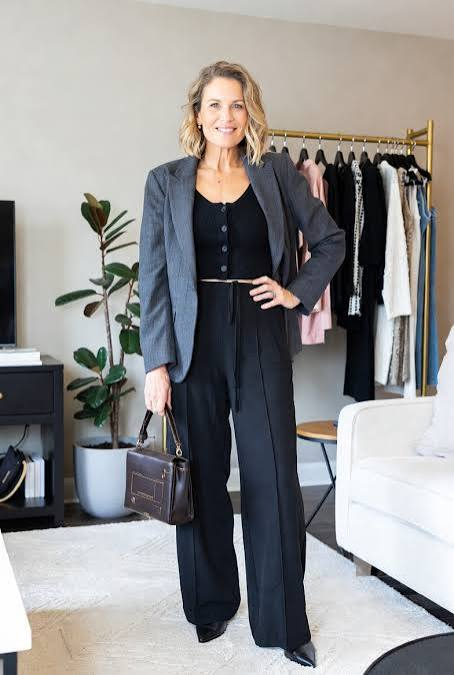
Your work outfit should match your workplace and its dress code. A traditional office may require formal clothing, while a creative or casual workplace may allow more relaxed styles. For a polished look, try tailored pants with a simple shirt, structured jacket, and clean shoes. Choose clothes that look professional while still allowing you to feel comfortable throughout the day.
How to Make a Nice Date Outfit
Choose a date outfit that fits both the location and your personal style. For a casual date, dark jeans, a nice top, and polished shoes can work well. For a formal restaurant, choose something more dressed up. Most importantly, wear clothing that feels comfortable and natural to you. Feeling confident and comfortable can make the outfit look even better.
How to Dress for a Party
Think about the type of party before choosing your outfit. A casual gathering may call for relaxed clothing, while a cocktail party may require a more polished look. Always check the invitation for a dress code, especially for special events. Parties can also be a good opportunity to experiment with brighter colors, interesting accessories, patterns, or stylish shoes.
How to Dress for a Wedding
Wedding attire depends on the invitation and dress code.
Always check whether the event is:
- Casual
- Cocktail
- Semi-formal
- Formal
- Black tie
- Another specific dress code
The venue and time of day can also provide useful clues.
Avoid assuming that every wedding requires the same outfit.
When the invitation provides a dress code, use it as your starting point.
How to Dress Well in Hot Weather
Hot weather requires breathable clothing.
Lightweight fabrics can make an outfit more comfortable.
You might choose:
- Linen
- Lightweight cotton
- Breathable blends
- Loose-fitting clothing
Light colors can also feel visually appropriate for warm weather.
Sandals, lightweight sneakers, or breathable shoes may work depending on the setting.
The best summer outfit combines comfort with an intentional silhouette.
How to Dress Well in Cold Weather
Cold weather is a great time to use layers. Start with a comfortable base layer, then add a sweater, cardigan, jacket, or coat based on the temperature. Scarves, hats, gloves, and boots can add both warmth and style. Try to balance your layers instead of wearing too many oversized pieces. A well-fitted coat can make even a simple winter outfit look polished.
Also read:What to Wear What Not to Wear: A Complete Guide to Dressing for Every Occasion
How to Build an Outfit From One Pair of Shoes
A versatile pair of shoes can work with many outfits. For example, clean white sneakers can be worn with jeans and a T-shirt, trousers and a sweater, shorts and a button-down shirt, or a casual dress and jacket. When shopping, think about how many outfits you can create with an item instead of buying something only because it looks good by itself.
How to Create More Outfits With Fewer Clothes
Choose clothing pieces that work well together in color, style, and fit. A simple wardrobe with colors such as black, white, navy, beige, and denim can give you many outfit combinations. Add one or two favorite accent colors for variety. Having fewer coordinated clothes can make getting dressed easier than having a large wardrobe filled with pieces that do not work together.
Plan Your Outfit the Night Before
If mornings are busy, choose your outfit the night before. Put your clothing, shoes, accessories, bag, and outerwear together so you can see the complete look. This gives you time to make changes if something does not work. You can also take a quick photo of outfits you like and use them for inspiration later.
Take Photos of Outfits You Like
Taking photos of your favorite outfits can help you understand your personal style. When you are unsure what to wear, look through the photos for ideas. You may notice that you prefer certain colors, clothing shapes, or accessories. Over time, these photos can become a simple personal style guide.
Do Not Follow Every Fashion Trend
Fashion trends can be fun, but you do not need to follow every one. Before buying a trendy item, ask yourself whether you actually like it, whether it is comfortable, and whether it works with clothes you already own. Choosing pieces that suit your lifestyle and personal taste can help you build a wardrobe that lasts longer.
Invest in Versatile Pieces
Choose clothing that can be worn in several different ways. A blazer can work with jeans, trousers, skirts, or dresses. A neutral sweater can match different bottoms, while simple sneakers can work with many casual outfits. Versatile pieces give you more outfit choices and can help you avoid unnecessary shopping.
Pay Attention to Clothing Care
Taking care of your clothes is just as important as choosing them. Follow the care instructions, remove stains promptly, keep shoes clean, and store clothing properly. Repair small problems before they become worse. Well-maintained clothing stays in better condition and can make even a simple outfit look cleaner and more polished.
Common Outfit Mistakes to Avoid
One mistake is ignoring the dress code.
Another is wearing clothes that are uncomfortable simply because they look fashionable.
Wearing too many competing statement pieces can also make an outfit feel chaotic.
Poorly maintained shoes and wrinkled clothing can reduce the polished appearance of an otherwise good outfit.
Another common mistake is buying clothes without considering what they will work with.
Before buying something, think about at least three existing pieces that could be worn with it.
How to Make an Outfit Look More Put-Together
Small details can make a simple outfit look much better. Tuck in your shirt if it creates a better shape, roll your sleeves when appropriate, and add a belt if it works with your clothes. Choose shoes that fit the occasion, keep accessories simple, and make sure your clothes are clean and wrinkle-free. These easy changes can make your outfit look polished and well planned.
A Simple Step-by-Step Method for Making a Nice Outfit
Start by thinking about where you are going and choose one main clothing piece. Build the outfit with a neutral item, add a matching or complementary color, and check that the pieces have a balanced shape. Next, choose suitable shoes and add one or two simple accessories. Look at the complete outfit in the mirror. If it looks too busy, remove something, and if it feels too plain, add a little color, texture, or one interesting accessory.
How to Know When an Outfit Is Finished
An outfit is usually finished when adding another item no longer improves it.
This is a useful styling principle.
Look at your outfit and ask:
Does it suit the occasion?
Are the colors working?
Does the clothing fit comfortably?
Are the shoes appropriate?
Is there a clear focal point?
Do the accessories add value?
If the answer is yes, you probably do not need anything else.
Sometimes the best styling decision is knowing when to stop.
Final Thoughts
Learning how to make a nice outfit is less about following strict fashion rules and more about understanding balance, fit, color, proportion, comfort, and personal style. Start with the occasion, choose a main piece, build around versatile basics, and keep your color palette simple when you are unsure. Pay attention to shoes, accessories, layers, and clothing care because small details can make a major difference. Most importantly, wear clothes that make sense for your lifestyle and help you feel comfortable and confident. You do not need an expensive wardrobe to dress well. With a few versatile pieces and a better understanding of how they work together, you can create attractive outfits for almost any situation.
Frequently Asked Questions About Making a Nice Outfit
How can I make a simple outfit look better?
Focus on fit, clean shoes, coordinated colors, and one or two thoughtful accessories. Adding a jacket, belt, watch, scarf, or structured bag can also make a basic outfit look more complete.
What colors are easiest to combine in an outfit?
Neutral colors such as black, white, gray, navy, beige, brown, and cream are easy to combine. Start with two neutral colors and add one accent color if you want more interest.
How many colors should an outfit have?
There is no strict limit, but using about two or three main colors can make outfit building easier. Once you understand color coordination, you can experiment with more complex combinations.
Should shoes match the color of your clothes?
Shoes do not have to match your clothing exactly. They should generally complement the outfit and suit its level of formality. Neutral shoes are often the easiest to style with different clothing.
How can I dress well without spending a lot of money?
Build your wardrobe around versatile basics, choose clothing that fits well, maintain your clothes properly, and avoid buying pieces simply because they are trendy. A smaller wardrobe with coordinated items can create many attractive outfits.
For more ideas for real, everyday living, visit Songoftruth.org.