Choosing what to wear can sometimes feel harder than it should. You may open your closet and see plenty of clothes, yet still wonder what outfit is right for work, a wedding, a date, a job interview, a casual lunch, or a special event.
The good news is that dressing well does not require an expensive wardrobe or following every fashion trend. The most useful approach is to understand the situation, choose clothes that fit well, consider comfort, and make sure your outfit matches the level of formality.
This guide explains what to wear, what not to wear, and how to make better clothing choices for many common situations in the United States. It also explains why certain clothing choices work better than others and how small changes can make an outfit look more polished.
The phrase “what to wear what not to wear” is often searched when people need practical fashion advice. They may want to know what clothing is appropriate for an event, what mistakes to avoid, or how to dress more confidently without completely changing their personal style.
Whether you are getting ready for your first day at work, attending a wedding, going to dinner, preparing for an interview, or simply trying to improve your everyday wardrobe, the principles in this guide can help.
What Does What to Wear What Not to Wear Mean?
“What to wear what not to wear” is a simple way of asking which clothing choices are appropriate and which choices should be avoided for a particular situation.
There is rarely one outfit that works for everyone. The right choice depends on several factors, including the occasion, location, weather, dress code, age, personal style, comfort, and cultural expectations.
For example, jeans and sneakers may be perfect for a casual weekend. The same outfit may look too relaxed for a formal business meeting. A suit may be appropriate for a wedding or interview but unnecessarily formal for a picnic.
This is why good dressing is less about memorizing fashion rules and more about reading the situation.
A useful question to ask before getting dressed is:
“What does this occasion require, and how can I meet that requirement while still feeling like myself?”
That question is more helpful than simply asking whether an outfit is fashionable.
The Most Important Rule: Dress for the Occasion
The occasion should be your starting point whenever you are deciding what to wear and what not to wear.
Think about where you are going, who will be there, what you will be doing, and whether the event has a dress code.
A useful scale is:
Casual → Smart casual → Business casual → Business professional → Formal
Not every event fits perfectly into one category, but this scale gives you a starting point.
Casual clothing can include jeans, simple T-shirts, casual shirts, sneakers, sweaters, and relaxed dresses.
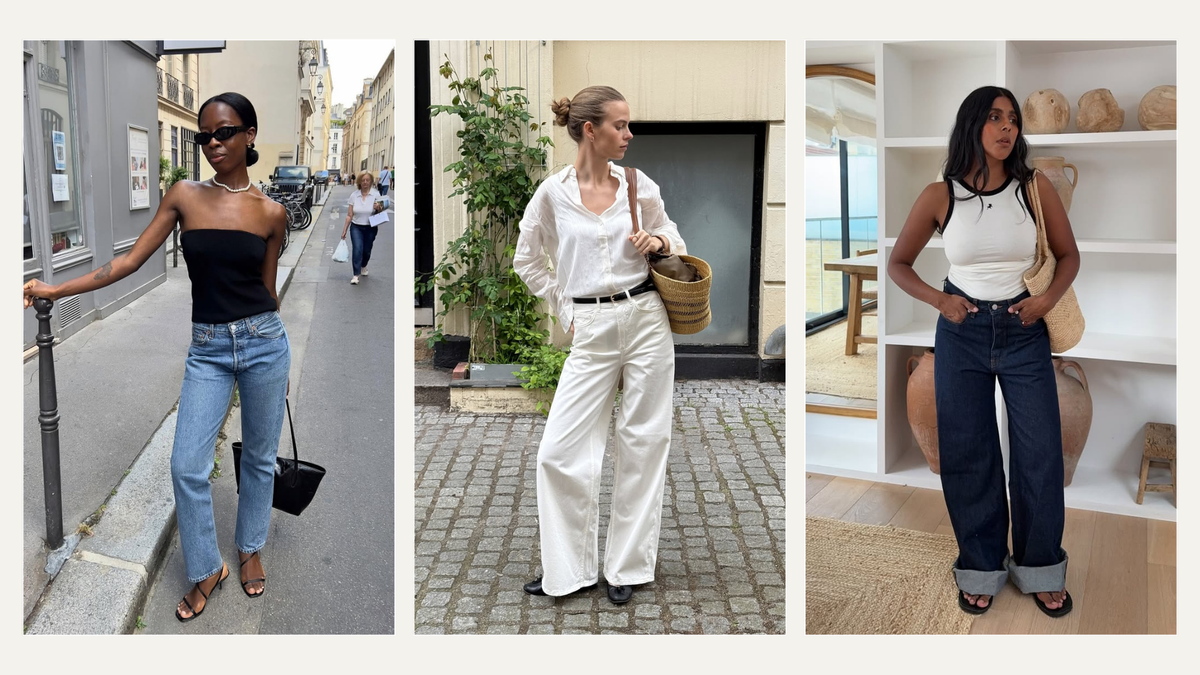
Smart casual usually looks more polished. You might choose dark jeans, chinos, a clean blouse, a knit top, loafers, boots, or a simple dress.
Business casual often includes trousers, chinos, skirts, dresses, button-down shirts, sweaters, blouses, and clean professional shoes.
Business professional generally requires more structure. Suits, tailored trousers, dress shirts, blazers, professional dresses, and polished shoes are common choices.
Formal clothing is usually reserved for weddings, galas, formal celebrations, ceremonies, and events with a specific formal dress code.
The biggest mistake is assuming that one level of dress works everywhere.
What to Wear for Everyday Casual Outfits
Everyday clothing should be comfortable, practical, clean, and appropriate for your activities.
A basic casual outfit might include jeans or casual trousers with a T-shirt, polo shirt, blouse, sweater, or casual button-down shirt.
For women, casual choices may include jeans with a simple top, casual dresses, leggings with a longer top, skirts, sweaters, or relaxed trousers.
For men, common choices include jeans, chinos, shorts when appropriate, T-shirts, polos, casual button-down shirts, sweaters, and clean sneakers.
The goal is not to look overdressed. The goal is to look intentional.
A simple outfit can look much better when the clothing fits properly, shoes are clean, and colors work together.
What Not to Wear for Casual Situations
Casual does not mean careless.
Avoid clothing that is heavily stained, badly damaged, extremely wrinkled, or clearly inappropriate for the location.
You should also be careful with clothing that is uncomfortable or constantly needs adjusting. If you spend the entire day pulling at your shirt or fixing your waistband, the outfit probably is not working for you.
Very worn-out clothing can also make an otherwise good outfit look unfinished.
There is nothing wrong with inexpensive clothing. Condition and fit often matter more than price.
What to Wear to Work
Workplace clothing depends heavily on the industry and company culture.
A law office, financial company, medical workplace, technology company, restaurant, construction company, and creative studio may all have different expectations.
Before your first day, check the company’s dress policy if one is available. If you are unsure, it is usually safer to dress slightly more professionally until you understand the workplace culture.
Business casual can include:
- Dress pants or chinos
- Blouses and button-down shirts
- Sweaters
- Polished knit tops
- Simple dresses
- Professional skirts
- Blazers
- Loafers
- Flats
- Clean professional sneakers where accepted
- Low or moderate heels
The key is to look neat and prepared rather than flashy.
What Not to Wear to Work
Avoid clothing that may distract from your work or make the situation uncomfortable.
Depending on the workplace, this may include extremely casual shorts, beachwear, clothing with offensive graphics, sleepwear, excessively revealing outfits, dirty shoes, or clothing with large stains or tears.
You should also think about clothing that makes noise, restricts movement, or requires constant adjustment.
Work clothing does not have to be boring. You can show personality through color, accessories, shoes, textures, and tasteful patterns while still looking professional.
What to Wear to a Job Interview
A job interview is one situation where first impressions matter.
Your outfit should show that you understand the workplace and take the opportunity seriously.
For many office-based professional jobs, a polished business professional or business casual outfit can work well.
A man might wear tailored trousers, a button-down shirt, dress shoes, and possibly a blazer or suit depending on the industry.
A woman might wear tailored trousers or a skirt with a blouse, a professional dress, a blazer, or another polished combination.
The exact outfit should match the company.
What Not to Wear to a Job Interview
Avoid clothing that looks like you selected it without considering the workplace.
Extremely casual clothing, dirty sneakers, wrinkled shirts, beachwear, clothing with distracting slogans, or outfits that are difficult to move in can create the wrong impression.
Another common mistake is wearing brand-new clothing that has never been tested. Shoes that hurt your feet or a shirt that does not fit correctly can make you uncomfortable during the interview.
Try the full outfit before the interview.
Sit down. Walk around. Check the sleeves, collar, waistband, shoes, and overall comfort.
A confident interview outfit is one that lets you focus on the conversation instead of your clothes.
What to Wear to a Wedding
Wedding attire depends on the invitation and venue.
Always check whether the invitation says casual, cocktail, semi-formal, formal, black tie, or another dress code.
For a daytime casual wedding, a dress, skirt and blouse, dress pants, chinos, or a polished shirt may work.
For cocktail attire, choose something more polished. Men may wear a suit or dress trousers with a jacket. Women may choose a cocktail dress, dressy jumpsuit, skirt and blouse, or another elegant outfit.
Formal weddings require more attention to the dress code.
What Not to Wear to a Wedding
One of the most important wedding rules is to avoid competing with the couple.
Guests should generally avoid wearing white or an outfit that is clearly intended to look like the bride’s attire unless the couple specifically says otherwise.
You should also avoid clothing that is too casual for the stated dress code.
Extremely attention-grabbing outfits can also be inappropriate if they draw attention away from the event’s hosts.
The best wedding guest outfit respects the dress code while allowing you to express your own style.
What to Wear to a Funeral or Memorial Service
Funeral and memorial service clothing should generally be respectful, modest, and understated.
Dark or neutral colors are traditional, but black is not the only appropriate choice. Navy, charcoal, brown, gray, and other subdued colors can also work.
A simple dress, trousers and blouse, dress pants and a button-down shirt, or a conservative suit can be appropriate depending on the setting.
Comfort is important because services may involve sitting, standing, walking, or traveling.
What Not to Wear to a Funeral
Avoid clothing that is extremely bright, flashy, revealing, or covered with attention-grabbing graphics unless the family has specifically requested colorful clothing.
You should also avoid clothing that appears overly casual if the service is formal.
The purpose is not to look fashionable. The purpose is to show respect.
What to Wear on a First Date
A first date can create a lot of pressure, but your clothing does not need to be complicated.
Start with the location.
A coffee date may call for smart casual clothing. A nice restaurant may require something more polished. An outdoor activity requires practical clothing and comfortable shoes.
The best date outfit usually combines three things:
Comfort, cleanliness, and personality.
Choose clothing that feels like you. Wearing something completely outside your normal style may make you feel uncomfortable or less confident.
What Not to Wear on a First Date
Avoid clothing that makes you constantly worry about your appearance.
If your shoes hurt, your shirt is too tight, or your outfit needs constant adjustment, you may spend the date thinking about your clothes instead of enjoying the conversation.
It is also wise to avoid extreme amounts of accessories, overpowering fragrances, or clothing that does not match the location.
The goal is to look prepared without appearing as though you are trying too hard.
What to Wear to a Restaurant
Restaurant clothing depends on the restaurant.
A fast-casual restaurant may be perfectly suitable for everyday casual clothing.
A nicer restaurant may call for smart casual attire.
An upscale restaurant may expect business casual or a more polished look.
If you are unsure, check the restaurant’s website or reservation information for a dress code.
What Not to Wear to a Nice Restaurant
Avoid beachwear, heavily worn athletic clothing, dirty sneakers, pajamas, or clothing that is clearly intended for exercising unless the restaurant has a very casual environment.
At the same time, you do not need to wear formal clothing to every expensive restaurant.
The most useful approach is to understand the restaurant’s atmosphere.
What to Wear to a Job Fair
A job fair is a professional environment, even though it may be less formal than an interview.
Business casual is often a safe choice unless the event or industry calls for more formal clothing.
Wear comfortable shoes because you may walk for several hours.
Bring a professional-looking bag or folder if needed, and make sure your clothes allow you to move easily.
What Not to Wear to a Job Fair
Avoid clothing that looks like sleepwear, gym clothing, beachwear, or clothing meant for a night out.
You want recruiters to remember your skills and communication rather than an inappropriate outfit.
What to Wear to School or College
School dress expectations vary greatly.
For everyday classes, comfort is usually important. Jeans, trousers, casual dresses, sweaters, T-shirts, hoodies, sneakers, and other practical clothing can work.
However, students should also consider school rules, weather, activities, and the need to move between classrooms.
College students generally have more freedom, but different situations may still require different clothing.
A presentation, internship interview, career fair, laboratory session, and ordinary class may all require different choices.
What Not to Wear to School
Avoid clothing that violates school rules or creates safety problems.
For activities such as laboratory work, physical education, workshops, or sports, clothing should also be appropriate for the activity.
The most important principle is to balance self-expression with respect for the environment.
What to Wear in Hot Weather
Hot weather requires clothing that helps your body stay comfortable.
Lightweight and breathable fabrics can be useful. Cotton, linen, and certain modern performance fabrics can work well depending on the activity.
Loose or relaxed clothing can also improve comfort when temperatures are high.
Light colors may feel cooler in strong sunlight, although the fabric and construction of a garment also matter.
Wear breathable shoes and consider sun protection when spending time outside.
What Not to Wear in Extreme Heat
Avoid heavy layers when they are unnecessary.
Thick fabrics, poorly breathable materials, and extremely tight clothing can make hot weather more uncomfortable.
You should also consider the setting. A very short outfit may be comfortable at the beach but inappropriate for an office or formal event.
What to Wear in Cold Weather
Cold-weather dressing is about layers.
Instead of relying on one extremely thick item, consider several layers that can be removed or added as conditions change.
A basic cold-weather system can include:
- Base layer
- Sweater or fleece
- Coat or jacket
- Warm socks
- Appropriate shoes or boots
- Hat
- Gloves
- Scarf when needed
The exact combination depends on the temperature and activity.
What Not to Wear in Cold Weather
Avoid wearing clothing that leaves you exposed to cold conditions for long periods.
Fashion should never be more important than basic protection from dangerous weather.
If you are going outside in very cold conditions, pay attention to wind, moisture, and how long you will be outdoors.
What to Wear in Rainy Weather
Rain requires practical thinking.
Water-resistant or waterproof outerwear can help. Shoes with good traction can also be useful.
A lightweight rain jacket can be more practical than carrying a heavy coat that becomes uncomfortable when wet.
For commuting, consider clothing that dries relatively quickly.
What Not to Wear in Heavy Rain
Avoid shoes that become easily damaged by water when you have a practical alternative.
You should also avoid clothing that becomes extremely uncomfortable when wet.
If you are traveling to work or an important event, consider carrying an extra layer or shoes when practical.
What to Wear While Traveling
Travel clothing should prioritize comfort, flexibility, and practicality.
For long flights or road trips, comfortable trousers, breathable tops, lightweight layers, and supportive shoes are usually useful.
Layers are especially helpful because airports, airplanes, cars, and outdoor areas can have different temperatures.
Choose clothing that allows you to sit comfortably for long periods.
What Not to Wear While Traveling
Avoid clothing that is excessively restrictive.
Very uncomfortable shoes can become a major problem during airport security, walking between gates, or exploring a destination.
You should also avoid wearing so many layers or accessories that moving through security becomes unnecessarily difficult.
What to Wear to the Airport
Airport outfits should combine comfort with practicality.
Stretch trousers, comfortable jeans, simple shirts, sweaters, light jackets, and easy-to-remove shoes can be useful.
Keep your essential travel items accessible and avoid clothing with excessive metal or complicated accessories when possible.
What Not to Wear at the Airport
Avoid uncomfortable shoes if you expect a lot of walking.
Extremely complicated outfits can also become inconvenient during security screening.
The airport is one place where practicality usually matters more than making a fashion statement.
What to Wear to a Business Meeting
For an important business meeting, it is generally better to look polished than overly casual.
The right choice depends on the company culture and the meeting’s purpose.
A blazer can make a simple outfit look more professional. Clean dress shoes or polished professional footwear can also improve the overall appearance.
Neutral colors are easy to combine, but you do not have to avoid color completely.
What Not to Wear to a Business Meeting
Avoid clothing that looks careless, extremely casual, dirty, or inappropriate for the industry.
Also avoid excessive accessories that may distract from the conversation.
A good business outfit should support your professional presence rather than become the main subject of attention.
What to Wear to a Party
Party clothing depends on the type of party.
A backyard gathering, birthday party, holiday party, nightclub event, and formal celebration can have very different expectations.
Check the invitation first.
If there is no dress code, consider the location, time of day, and expected guests.
What Not to Wear to a Party
Avoid assuming every party is casual.
Wearing very casual clothing to a formal celebration can make you feel out of place. On the other hand, wearing extremely formal clothing to a relaxed backyard event can also feel uncomfortable.
The best outfit matches the energy of the event.
What to Wear to a Holiday Party
Holiday parties often allow more personality.
Depending on the event, you can use richer colors, tasteful patterns, seasonal textures, or interesting accessories.
For a workplace holiday party, remember that it is still connected to your professional environment.
What Not to Wear to a Workplace Holiday Party
Avoid clothing that is extremely revealing, offensive, or inappropriate for colleagues and professional relationships.
Alcohol may be present at some events, but your clothing should not be selected around the expectation of drinking.
A festive outfit can still be professional.
What to Wear to a Graduation
Graduation ceremonies often involve sitting, standing, walking, photographs, and outdoor conditions.
Choose comfortable and polished clothing.
If you will wear a graduation gown, remember that the clothing underneath may still be visible.
Comfortable shoes are especially important because graduation ceremonies can last a long time.
What Not to Wear to Graduation
Avoid shoes that are painful or difficult to walk in.
Also consider the weather and venue. A heavy outfit can become uncomfortable during an outdoor summer ceremony.
What to Wear to a Baby Shower
Baby showers are usually social and celebratory.
A simple dress, blouse with trousers, skirt, sweater, or polished casual outfit may work depending on the venue.
Soft colors and tasteful patterns can create a relaxed appearance, but there is no requirement to follow a specific color theme unless the host requests one.
What Not to Wear to a Baby Shower
Avoid clothing that is clearly unsuitable for the venue or too formal for a casual gathering.
The goal is to look presentable while remaining comfortable enough to socialize.
What to Wear to a Concert
Concert clothing depends on the venue, performer, and type of concert.
For an outdoor concert, comfortable shoes are extremely important.
For a casual music event, jeans, T-shirts, casual shirts, and jackets may work.
For an upscale performance, a more polished outfit may be appropriate.
What Not to Wear to a Concert
Avoid shoes that are impossible to stand or walk in if you expect to be on your feet for hours.
Also consider weather conditions and venue rules.
Large bags, certain accessories, or other items may be restricted at some venues, so checking the event information can save you trouble.
What to Wear to a Museum or Art Gallery
A museum or gallery usually does not require extremely formal clothing.
Smart casual clothing is often a comfortable choice.
Wear shoes that allow you to walk and stand comfortably.
A simple outfit with clean lines and tasteful accessories can look polished without being excessive.
What Not to Wear to a Museum
Avoid clothing that is extremely uncomfortable for long periods.
You should also consider that some galleries may have rules related to bags or touching artwork, so practicality matters.
What to Wear for a Professional Photo
Professional photographs are often used for resumes, company websites, professional profiles, business cards, or social media.
Choose clothing that reflects your profession and the image you want to present.
Solid colors can work particularly well because they keep attention on your face.
A well-fitted jacket, shirt, blouse, sweater, or professional dress can be effective.
What Not to Wear for Professional Photos
Avoid extremely busy patterns if they distract from your face.
You should also avoid clothing that looks wrinkled or poorly fitted.
Most importantly, wear something that represents your professional identity.
Why Fit Matters More Than Price
One of the biggest clothing lessons is that expensive does not automatically mean stylish.
A reasonably priced shirt that fits well can look better than an expensive shirt that is too large or too small.
Fit affects the shape of an outfit, comfort, movement, and overall appearance.
Pay attention to shoulder seams, sleeve length, trouser length, waist fit, and overall proportions.
You do not need every item to fit perfectly off the rack. Small alterations can sometimes make a major difference.
How to Choose Colors That Work Together
You do not need advanced color theory to build a good outfit.
Start with neutral colors such as black, white, gray, navy, beige, brown, and denim.
Then add one or two stronger colors when appropriate.
A simple approach is to choose one main color, one supporting neutral, and perhaps a small accent.
For example, navy trousers with a white shirt and brown shoes create a classic combination.
Another option is gray trousers with a light blue shirt and black shoes.
The goal is not to avoid color. It is to create balance.
How Many Colors Should an Outfit Have?
There is no strict rule that every outfit must contain exactly three colors.
However, limiting the number of major colors can make dressing easier.
If you are wearing a strong patterned item, keep the rest of the outfit relatively simple.
If your clothing is mostly neutral, you can use an accessory to add interest.
This approach makes outfits easier to coordinate without making them boring.
What Not to Wear When You Want to Look More Professional
Some clothing choices can make an outfit look less professional even when the individual pieces are attractive.
Common examples include clothing that is badly wrinkled, poorly fitted, dirty, heavily damaged, or unsuitable for the workplace.
Another problem is wearing too many competing statement pieces at once.
For example, a very bright shirt, large accessories, bold shoes, and an attention-grabbing jacket may compete for attention.
Professional style often becomes stronger when you choose one noticeable element and keep the rest balanced.
Common What Not to Wear Mistakes
Many clothing mistakes are not really fashion mistakes. They are planning mistakes.
One common mistake is ignoring the dress code.
Another is choosing appearance over comfort.
Another is dressing for the weather without considering where you will spend most of your time.
People also sometimes wear clothes that are technically appropriate but poorly maintained.
A clean, pressed, well-fitted simple outfit can outperform a complicated outfit that is uncomfortable or poorly maintained.
How to Build a Wardrobe That Makes Getting Dressed Easier
A useful wardrobe does not need to contain hundreds of pieces.
Start with versatile basics.
For example, many people benefit from having:
- Well-fitting jeans
- Neutral trousers
- A few simple T-shirts
- Button-down shirts
- A sweater
- A versatile jacket
- A simple dress or polished outfit
- Comfortable everyday shoes
- Professional shoes
- Weather-appropriate outerwear
The exact list depends on your lifestyle.
Someone who works from home needs different clothing from someone who attends business meetings every day.
The best wardrobe is built around your real life.
The Importance of Shoes
Shoes can change the appearance of an outfit dramatically.
Clean shoes can make casual clothing look more intentional.
Shoes should also match the activity.
Running shoes are designed for exercise. Dress shoes are designed for formal or professional situations. Boots may work well in cold or wet conditions.
Wearing the wrong shoes can make an otherwise good outfit feel disconnected.
What Not to Wear on Your Feet
Avoid worn-out shoes when the occasion requires a polished appearance.
Also avoid uncomfortable shoes simply because they look good.
If you know you will walk several miles, choose footwear that supports the activity.
How Accessories Can Improve an Outfit
Accessories should support the outfit rather than overwhelm it.
Depending on your style, accessories may include watches, belts, scarves, jewelry, bags, hats, glasses, or simple hair accessories.
A single accessory can add personality to a basic outfit.
The key is balance.
If the clothing is already highly detailed, simple accessories may work better.
What Not to Wear When You Want a Timeless Look
Fashion trends change quickly.
If you want a wardrobe that remains useful for years, invest more attention in fit, quality, versatility, and personal preference than short-term trends.
Classic items can be updated with modern accessories or footwear.
This does not mean avoiding trends completely. Trends can be fun.
The smarter approach is to treat trends as optional additions rather than the foundation of your entire wardrobe.
What to Wear for Different Body Types
There is no single correct way to dress a particular body type.
The most important factor is how clothing fits and how comfortable you feel.
Instead of trying to hide your body, focus on creating proportions that you like.
Well-fitted clothing usually creates a cleaner appearance than clothing that is intentionally oversized or extremely tight.
Vertical lines, layering, balanced proportions, and properly placed details can all change how an outfit looks.
But fashion should not become a set of rules telling people that certain bodies can only wear certain clothes.
You can wear the styles you enjoy.
What to Wear When You Are Unsure
Sometimes there is no clear dress code.
In that situation, choose a clean, polished, middle-level outfit.
For example, smart casual is often a useful starting point when you are unsure whether an event is very casual or moderately formal.
You can also ask the host.
There is nothing embarrassing about asking, “What is the dress code?”
In fact, asking is often smarter than arriving severely underdressed or overdressed.
What to Wear and Not to Wear: A Simple Decision Method
When deciding what to wear, use this five-step method.
First, identify the occasion.
Second, check the dress code.
Third, consider the weather.
Fourth, think about the activity.
Fifth, check fit, comfort, cleanliness, and condition.
This process takes only a few minutes and can prevent many common outfit mistakes.
What Not What to Wear: Understanding the Common Search Phrase
People sometimes type “what not what to wear” instead of “what to wear what not to wear.”
The first phrase is grammatically awkward, but it reflects the way people often search quickly when they need advice.
Search behavior does not always follow formal grammar.
Regardless of the wording, the underlying question is usually the same: what clothing should I choose, and what should I avoid?
That is why practical guides should focus on search intent rather than only on exact wording.
What Not to Wear Series and Fashion Advice
The phrase “what not to wear series” may refer to fashion-focused content built around common clothing mistakes, style transformations, or advice about improving personal appearance.
The idea behind this type of content is useful because people often learn quickly when they can compare effective and ineffective choices.
However, clothing advice should not become a list of rigid rules.
A fashion choice that works for one person may not work for another.
The better lesson is to understand why an outfit works.
Is it appropriate for the occasion?
Does it fit?
Is it comfortable?
Does it reflect the person’s style?
Does it make sense for the environment?
These questions are more valuable than simply copying another person’s wardrobe.
What Not to Wear TV Program and the Popularity of Fashion Makeovers
The phrase “what not to wear TV program” is commonly associated with television-style fashion makeover content.
Programs built around this concept became popular because they turned everyday clothing problems into entertainment while offering viewers ideas about styling, confidence, shopping, and wardrobe changes.
The most useful lesson from makeover television is not that there is one perfect way to dress.
Instead, it is that clothing can affect how people feel about themselves and how they present themselves to others.
Modern fashion advice has moved toward greater flexibility. Personal style, comfort, body diversity, sustainability, budget, and individual needs are now important parts of the conversation.
A makeover should help someone feel more confident, not force them into an identity that does not feel natural.
What Not to Wear for Your Age
There is no universal list of clothes that people must stop wearing at a certain age.
Age-based fashion rules are often too simplistic.
Instead, think about your lifestyle, comfort, goals, and personal taste.
A person can enjoy sneakers, jeans, colorful clothing, formalwear, or modern trends at many different ages.
The better question is not, “Am I too old for this?”
Ask, “Does this work for me, my lifestyle, and the situation?”
That question gives you much more freedom.
What Not to Wear If You Want to Look Put Together
Looking put together is often about small details.
Avoid clothing that is visibly dirty, heavily wrinkled, damaged, or poorly fitted.
Pay attention to shoes.
Check that your clothing is appropriate for the occasion.
Keep accessories balanced.
Make sure your outfit is comfortable enough that you can move naturally.
These simple steps often create a stronger impression than buying expensive clothes.
What to Wear If You Have a Small Budget
You do not need a large fashion budget to dress well.
Start by purchasing versatile pieces that can be worn in several combinations.
Neutral colors can make mixing and matching easier.
Secondhand stores, seasonal sales, clothing swaps, and resale platforms can also help people build wardrobes at lower costs.
Before buying something, ask:
“Can I wear this with at least three things I already own?”
If the answer is no, think carefully before purchasing it.
This simple rule can reduce impulse buying.
What Not to Wear When Shopping for Clothes
One of the biggest shopping mistakes is buying clothing only because it looks good on a mannequin or model.
Different bodies and proportions can make the same garment look completely different.
Try clothing when possible.
Check how it feels when sitting, standing, walking, and moving.
Do not buy something simply because it is on sale.
A discounted item that never gets worn is not really a good purchase.
How to Dress Better Without Buying New Clothes
Sometimes the solution is already in your closet.
Try combining pieces differently.
Tuck in a shirt.
Add a jacket.
Change your shoes.
Use a belt.
Roll sleeves neatly.
Layer a sweater.
Replace a busy accessory with a simple one.
Iron or steam wrinkled clothing.
Clean your shoes.
Small changes can create a completely different appearance.
This is one of the most overlooked fashion strategies because people often assume that better style requires more shopping.
How to Know When an Outfit Is Not Working
Look at the outfit as a whole rather than focusing on one item.
Ask yourself:
Does it fit?
Is it comfortable?
Does it match the occasion?
Does it suit the weather?
Are the colors balanced?
Do the shoes make sense?
Is anything distracting?
Does the outfit feel like me?
If several answers are no, change one element at a time.
You do not need to replace the entire outfit.
The Role of Personal Style
Fashion trends come and go, but personal style can remain.
Your personal style may be casual, classic, sporty, minimalist, creative, elegant, traditional, modern, or a combination of several styles.
There is no requirement to choose one category.
The most successful wardrobe is often one that makes it easy to express who you are while still meeting the needs of different situations.
Good style is not about looking exactly like someone else.
It is about making clothing work for you.
What to Wear and Not to Wear: The Golden Rules
If you remember only a few ideas from this guide, remember these:
Dress for the occasion.
Follow the stated dress code.
Prioritize fit.
Keep clothing clean and in good condition.
Consider the weather.
Wear appropriate shoes.
Choose comfort when possible.
Do not confuse expensive clothing with good style.
Do not follow fashion rules that make you uncomfortable.
Let your personality show in appropriate ways.
When you are unsure, ask.
These principles work across many different situations.
Frequently Asked Questions About What to Wear What Not to Wear
What is the easiest way to decide what to wear?
Start with the occasion and dress code. Then consider the weather, location, activity, comfort, and fit. If you are still unsure, choose a polished outfit that is slightly more formal rather than extremely casual.
Is it better to be overdressed or underdressed?
When you do not know the dress code, being slightly overdressed is often safer than being noticeably underdressed. However, this depends on the event. A quick question to the host or organizer can remove the uncertainty.
How can I look stylish without following every fashion trend?
Focus on clothing that fits well, works with your existing wardrobe, and matches your personality. Add a few modern pieces when you like them instead of replacing your entire wardrobe every season.
What should I wear if an invitation does not mention a dress code?
Consider the venue, time, purpose, and people attending. Smart casual is often a useful middle ground. If the event is important, asking the host is the most reliable option.
How often should I replace clothes?
There is no fixed schedule. Replace clothing when it no longer fits properly, cannot be repaired, is too worn for its purpose, or no longer works with your lifestyle. Taking care of clothes can significantly extend their useful life.
Final Thoughts
Knowing what to wear what not to wear is less about following strict fashion rules and more about making smart choices for real-life situations. The best outfit is not always the most expensive, newest, or trendiest option. It is the outfit that fits the occasion, feels comfortable, looks neat, and allows you to feel confident.
When deciding what to wear, start with the event. Check the dress code, think about the weather, consider what you will be doing, and then choose clothing that fits well and reflects your personality. When deciding what not to wear, avoid anything that is clearly inappropriate, uncomfortable, poorly maintained, or disconnected from the setting.
Fashion advice should help people make better decisions, not make them feel restricted. Whether you are dressing for work, a wedding, a first date, travel, school, a business meeting, or an ordinary day, a thoughtful approach can make getting dressed much easier.
The simplest rule is also one of the most useful: dress appropriately for the moment, take care of what you wear, and choose clothes that help you feel like the best version of yourself.
Find more practical guides to everyday living on Songoftruth.org.