Learning how to dress stylishly does not mean buying expensive designer clothes or following every fashion trend. Real style is usually much simpler. It comes from understanding what fits your lifestyle, choosing clothes that fit well, combining colors thoughtfully, and wearing outfits that make you feel comfortable and confident.
For many people in the United States, getting dressed is part of everyday life. You may need one outfit for work, another for running errands, something comfortable for the weekend, and a different look for dinner or a special event. The challenge is creating a wardrobe that works across these situations without making fashion feel complicated.
Current fashion in 2026 also gives people more freedom. Instead of one dominant look, designers and fashion publications are showing a mixture of relaxed tailoring, expressive colors, updated denim, feminine details, practical layers, and individual styling. Fall 2026 fashion coverage, for example, highlights modern tailoring, bold color, creative proportions, and combinations of classic and contemporary pieces.
This is good news for anyone learning how to dress stylishly. You do not have to become someone else to look fashionable. You can take useful ideas from current trends and adapt them to your own personality.
The goal of this guide is to make style easier to understand. Instead of giving you a list of strict fashion rules, it focuses on practical principles that you can use with the clothes you already own.
What Does It Mean to Dress Stylishly?
To dress stylishly means creating an intentional appearance that suits you, your surroundings, and the occasion.
Style does not necessarily mean wearing the newest trend.
A stylish outfit might be:
- A simple white shirt with well-fitting jeans
- Tailored pants with a knit sweater
- A casual dress with clean sneakers
- A blazer with a basic T-shirt
- A monochromatic outfit with interesting textures
- A simple outfit finished with a strong accessory
The common factor is intention.
The clothing looks as though it was chosen rather than randomly combined.
The First Rule of Stylish Dressing: Wear Clothes That Fit
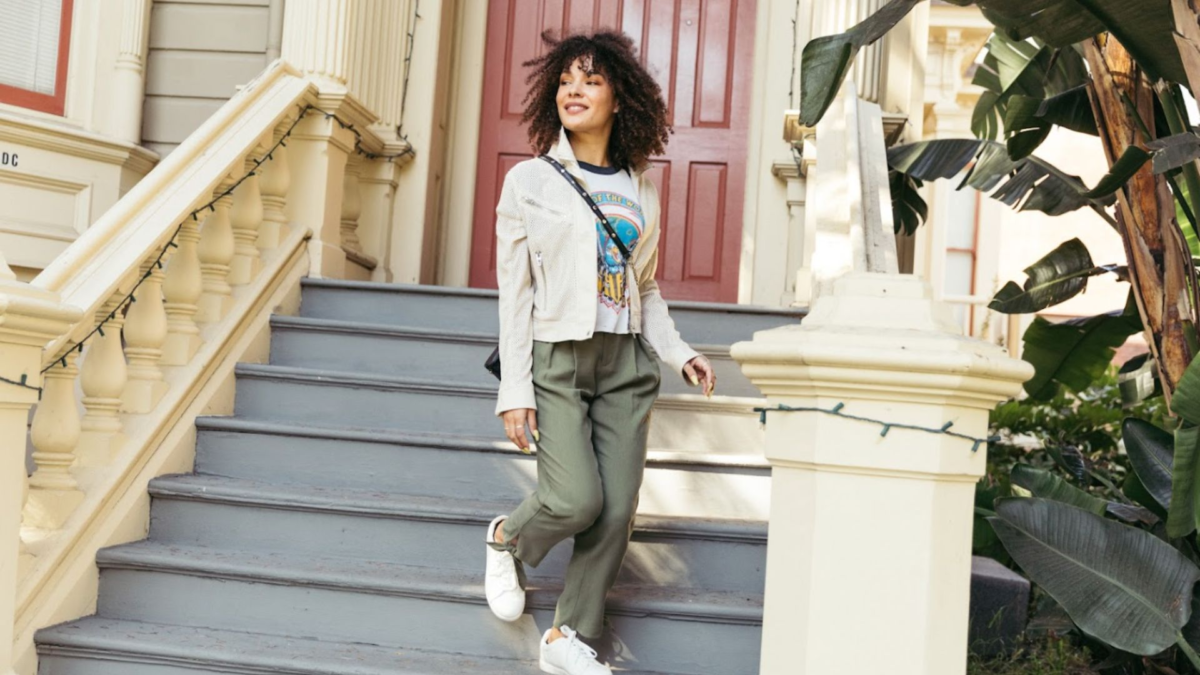
Fit is one of the biggest differences between an ordinary outfit and a polished outfit.
A very expensive garment can look awkward if it does not fit properly. On the other hand, reasonably priced clothing can look sophisticated when the proportions are right.
Pay attention to:
- Shoulder seams
- Sleeve length
- Trouser length
- Waist placement
- Jacket shape
- Dress length
- Overall proportions
- Freedom of movement
Clothing should allow you to move comfortably.
Do not assume that stylish clothing has to be extremely tight or oversized. Both fitted and relaxed clothing can look excellent when the proportions work together.
Why Proportion Matters
Proportion describes how different parts of an outfit relate to each other.
For example, a loose sweater can work well with slimmer trousers. A wide-leg pant can look balanced with a more fitted or neatly tucked top. An oversized blazer can work with a simpler outfit underneath.
This does not mean you must follow one formula.
The useful question is:
“Where is the visual balance in this outfit?”
If everything is oversized, the outfit may feel intentionally relaxed or it may feel overwhelming. If everything is very fitted, the outfit may look sharp or restrictive.
Experiment with proportions until the outfit feels balanced to you.
Build Your Style Around Your Lifestyle
One of the biggest mistakes people make is building a wardrobe for an imaginary lifestyle.
Someone may buy formal dresses even though they rarely attend formal events.
Another person may purchase expensive office clothing while working remotely most days.
Someone else may buy delicate shoes that are uncomfortable for their daily routine.
Instead, start with how you actually live.
Ask yourself:
- How many days do I work outside the home?
- Do I walk frequently?
- Do I attend formal events?
- What is the weather like where I live?
- Do I travel often?
- What clothing do I wear most frequently?
- What activities fill most of my week?
Your wardrobe should support your real life.
Learn Your Personal Style
Personal style is not something you have to discover overnight.
Start by examining your existing wardrobe.
Look for patterns.
Maybe you own many neutral colors. Perhaps you repeatedly choose relaxed clothing. Maybe you prefer structured jackets. You might notice that you always choose sneakers instead of heels.
These patterns are useful clues.
Create a small list of words that describe what you like.
For example:
- Classic
- Minimal
- Relaxed
- Feminine
- Sporty
- Elegant
- Modern
- Edgy
- Romantic
- Casual
You can combine several.
There is no requirement to fit into one fashion category.
Stop Trying to Follow Every Trend
Fashion trends can be exciting, but trying to follow every trend can make your wardrobe expensive and confusing. Instead of wearing something only because it is popular, ask whether it matches your personal style, comfort, and lifestyle. In 2026, fashion includes expressive colors, modern tailoring, relaxed denim, layering, and nostalgic styles, but you do not need to adopt everything. Choose one trend you genuinely like and add it to your existing wardrobe in a simple way.
- Choose trends that match your style.
- Do not buy something just because it is popular.
- Add one trendy piece at a time.
- Keep versatile basics in your wardrobe.
- Prioritize comfort and confidence.
- Skip trends that do not suit you.
Use Trends as Seasoning
A useful way to think about trends is like seasoning food.
You do not need a completely new meal every time a new flavor becomes popular.
Your wardrobe can have a foundation of reliable pieces.
Then add trends through:
- A jacket
- A handbag
- A scarf
- A pair of shoes
- A sweater
- Jewelry
- A current color
- A new denim shape
This allows you to look current without constantly shopping.
Start With Wardrobe Basics
Basics make stylish dressing easier.
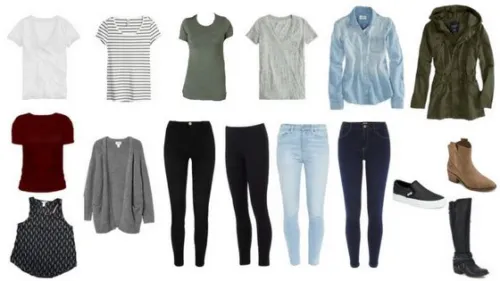
Useful wardrobe foundations may include:
- A well-fitting pair of jeans
- Neutral trousers
- Basic T-shirts
- A button-down shirt
- A sweater
- A blazer
- A versatile jacket
- A simple dress
- Comfortable sneakers
- Loafers or flats
- Boots
- A practical handbag
Your own list may be different.
The purpose is not to own a specific number of items. It is to have enough versatile pieces to create different outfits.
Choose a Simple Color Strategy
You do not need to understand complicated color theory to dress well.
Start with a few colors that work together.
Neutral colors can provide a strong foundation:
- Black
- White
- Navy
- Gray
- Beige
- Brown
- Cream
Then add colors that you enjoy.
For example, a neutral outfit can be made more interesting with burgundy, red, blue, green, yellow, or another favorite color.
Current fall 2026 fashion reporting has highlighted strong shades including electric blue, vibrant red, royal purple, turquoise, peach, and burgundy.
You do not need to wear these colors simply because they are fashionable.
Choose colors that make you feel good.
Try Monochromatic Outfits
A monochromatic outfit uses different shades or tones of one color.
For example:
- Cream sweater with beige trousers
- Navy shirt with dark blue pants
- Gray sweater with charcoal trousers
- Brown jacket with tan pants
This approach can make an outfit look organized without requiring complicated styling.
You can also mix textures within the same color family to create visual interest.
Learn How to Combine Neutrals
Neutral colors do not have to look boring.
Try combinations such as:
- Black and cream
- Navy and white
- Brown and beige
- Gray and white
- Tan and black
- Olive and cream
Different textures can make neutral outfits more interesting.
For example, combine denim with knitwear, leather with cotton, or wool with a smooth fabric.
Pay Attention to Fabric
Fabric affects comfort, appearance, and how well clothing works for different situations. Lightweight cotton and linen can be comfortable in warm weather, while wool, fleece, and insulated fabrics can provide warmth in colder conditions. When choosing women’s clothing, consider the season, activity, comfort, and care requirements so your outfit looks good and feels practical.
Dress for the Weather
Weather should influence your outfit.
A stylish outfit that leaves you uncomfortable is not a successful outfit.
In summer, consider:
- Lightweight dresses
- Linen trousers
- Cotton shirts
- Breathable tops
- Sandals
- Lightweight sneakers
In winter, consider:
- Coats
- Sweaters
- Layering pieces
- Boots
- Warm socks
- Scarves
In transitional seasons, layering becomes especially useful.
Master the Art of Layering
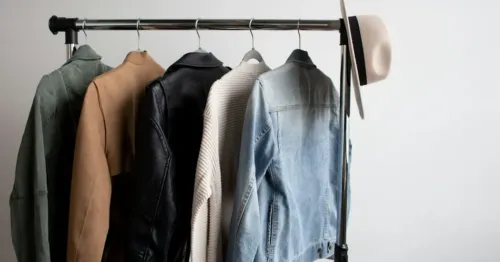
Layering is an easy way to create stylish outfits and stay comfortable when the temperature changes. You can combine simple pieces such as a T-shirt with a blazer and jeans, a button-down shirt with a sweater and trousers, or a dress with a cardigan and boots. The key is to choose layers that work together in color, fit, and purpose. Avoid adding too many pieces. Each layer should add comfort, warmth, structure, or style.
- T-shirt + blazer + jeans
- Button-down shirt + sweater + trousers
- Dress + cardigan + boots
- Use colors that work well together.
- Keep bulky layers balanced.
- Choose layers based on the weather.
How to Dress Stylishly With Jeans
Jeans are one of the easiest foundations for stylish outfits.
You can wear them with:
- T-shirts
- Button-down shirts
- Blouses
- Sweaters
- Blazers
- Leather jackets
- Sneakers
- Loafers
- Boots
The shape of jeans can change the overall appearance.
Straight-leg, relaxed, wide-leg, bootcut, slim, and other silhouettes create different effects.
Current fashion reporting continues to show strong interest in updated denim silhouettes, including relaxed and vintage-inspired shapes.
Choose the silhouette that fits your body, lifestyle, and existing wardrobe.
How to Dress Stylishly With a Blazer
A blazer is a versatile piece that can make many outfits look more polished. For a casual style, wear it with jeans and a T-shirt. For work, pair it with tailored trousers and a blouse, or wear it over a simple dress for an evening look. Choose a blazer that fits comfortably and works with several pieces already in your wardrobe.
- Blazer + jeans + T-shirt for casual outfits
- Blazer + trousers + blouse for work
- Blazer + dress for an evening look
- Choose a fit that allows comfortable movement
- Pick a color that matches your existing wardrobe
How to Style a Basic T-Shirt
A basic T-shirt does not have to look plain.
Try wearing it with:
- Tailored trousers
- Jeans
- A midi skirt
- A blazer
- A cardigan
- A leather jacket
Accessories can also change the appearance.
A simple necklace, belt, handbag, or structured shoe can make a basic outfit feel more intentional.
How to Dress Stylishly Without Spending a Lot
You do not need a large budget to develop personal style.
Start by improving what you already own.
Try:
- Better outfit combinations
- Simple layering
- Tucking or partially tucking tops
- Adding a belt
- Changing shoes
- Adding accessories
- Improving color combinations
- Wearing clothes that fit properly
Before buying something new, look through your closet.
You may already have the ingredients for several outfits.
Quality vs. Quantity
Buying more clothing does not necessarily improve your style.
A smaller wardrobe can be easier to manage because you understand what works together.
Before buying a piece, ask:
- Can I wear this with at least three things?
- Will I use it regularly?
- Does it fit my lifestyle?
- Is it comfortable?
- Does it work for the season?
- Do I already own something similar?
If you cannot imagine wearing it regularly, reconsider the purchase.
How to Shop More Intentionally
Impulse purchases are one of the biggest causes of wardrobe clutter.
A useful strategy is to keep a list of actual wardrobe needs.
For example:
- Black trousers
- Lightweight jacket
- Everyday sneakers
- Winter coat
- Work blouse
Then shop for those items.
This approach reduces random purchases and makes your wardrobe more cohesive.
Do Not Buy Clothes Only Because They Are on Sale
A discount does not automatically make something valuable.
If a $100 item is marked down to $40 but you never wear it, you have not really saved $60.
You spent $40 on something you did not need.
Before buying sale clothing, ask:
“Would I still want this if it were full price?”
If not, the discount may be influencing your decision more than the clothing itself.
The Importance of Good Shoes
Shoes can completely change an outfit.
A dress with sneakers can feel casual.
The same dress with heels can feel more formal.
Jeans with loafers can look polished.
Jeans with athletic sneakers can feel relaxed.
Useful shoe categories include:
- Sneakers
- Loafers
- Flats
- Sandals
- Ankle boots
- Knee-high boots
- Heels
Comfort matters.
If you cannot comfortably walk in a pair of shoes, they may not be practical for everyday life.
Use Accessories Strategically
Accessories can make simple clothing more interesting.
You might use:
- A handbag
- Belt
- Scarf
- Sunglasses
- Earrings
- Necklace
- Watch
- Bracelet
You do not need many accessories.
Sometimes one strong accessory is more effective than wearing several pieces at once.
How to Dress Stylishly for Work
Work clothing should match the expectations of your workplace.
For a more formal environment, consider:
- Tailored trousers
- Blazers
- Button-down shirts
- Blouses
- Structured dresses
- Loafers
- Professional shoes
For a relaxed workplace, you may have more flexibility.
The key is understanding your environment.
Being stylish at work does not mean wearing the most fashionable outfit in the building.
It means looking appropriate, polished, comfortable, and confident.
How to Dress Stylishly for a Casual Day
Casual dressing can be extremely simple.
Try:
- Jeans + T-shirt + sneakers
- Trousers + sweater + loafers
- Casual dress + sneakers
- Shorts + button-down shirt
- Leggings + oversized sweater
The finishing details matter.
Clean shoes, appropriate fit, coordinated colors, and a well-maintained outfit can make casual clothing look intentional.
How to Dress Stylishly for a Dinner
Dinner outfits depend on the location.
For a casual restaurant, jeans and a polished top may be enough.
For a nicer restaurant, try:
- Midi dress
- Tailored trousers and blouse
- Skirt and fitted sweater
- Dark jeans and blazer
Accessories and shoes can increase the formality.
Always consider the dress code when one is provided.
How to Dress Stylishly for a Special Event
Special events require more attention to the occasion.
Consider:
- Location
- Time of day
- Dress code
- Weather
- Comfort
- Formality
Do not choose an outfit only because it looks good in a photograph.
You need to feel comfortable wearing it for several hours.
Dress for the Occasion
One of the easiest ways to improve personal style is to dress appropriately for the setting.
A stylish outfit for a beach trip is different from one for a job interview.
A wedding outfit is different from an outfit for grocery shopping.
Before getting dressed, ask:
“What is the environment?”
Then choose clothing that fits that environment while still expressing your personality.
How to Make an Outfit Look More Polished
Small details can make a large difference.
Try:
- Tucking your shirt
- Adding a belt
- Choosing coordinated shoes
- Rolling sleeves intentionally
- Matching the formality of your shoes to the outfit
- Keeping clothing wrinkle-free
- Choosing a structured bag
- Adding one simple accessory
You do not need to change the entire outfit.
Sometimes one small adjustment is enough.
Clothing Maintenance Is Part of Style
Taking care of your clothes is an important part of looking stylish. Follow the care instructions, wash garments properly, store delicate items carefully, repair small damage, remove stains quickly, and keep shoes clean. Well-maintained clothing can look polished for a long time, even when it is simple and affordable.
- Follow clothing care labels.
- Wash clothes correctly.
- Repair small tears and loose buttons.
- Remove stains as soon as possible.
- Store delicate clothing properly.
- Keep shoes clean.
Why Grooming Complements Clothing
Clothing is only one part of your overall appearance. Simple grooming, clean hair, good personal hygiene, and a neat appearance can help complete an outfit. You do not need an expensive or complicated routine. Consistent, basic grooming combined with clean, well-maintained clothing can create a polished and confident look.
How to Dress Stylishly When You Are Busy
You do not need to spend 30 minutes choosing an outfit every morning.
Create a few reliable outfit formulas.
For example:
- Jeans + T-shirt + blazer + sneakers
- Trousers + sweater + loafers
- Dress + jacket + boots
- Jeans + button-down + flats
When you know which combinations work, getting dressed becomes faster.
You can also prepare outfits the night before if mornings are busy.
Create a Personal Uniform
A personal uniform does not mean wearing exactly the same thing every day.
It means developing a repeatable formula.
For example, your personal uniform might be:
- Straight-leg jeans
- Simple top
- Blazer
- Comfortable shoes
- Small handbag
You can change colors, fabrics, and accessories while keeping the basic structure.
This reduces decision fatigue.
How to Dress Stylishly With a Small Wardrobe
A small wardrobe can still give you many stylish outfits when your clothes work well together. Choose versatile colors, simple layers, and pieces that can be worn in different ways. For example, a few tops can be paired with several pants or skirts, while a blazer, jacket, or cardigan can change the look. Different shoes and accessories can also make the same outfit feel completely different. The goal is not to own more clothes, but to make better use of the clothes you already have.
- Choose versatile pieces.
- Use colors that coordinate easily.
- Layer shirts, sweaters, and jackets.
- Change shoes to create different looks.
- Use accessories to refresh basic outfits.
- Buy fewer pieces that you can wear often.
Stop Comparing Your Style to Other People
Social media can make it seem like everyone else always looks perfectly stylish, but online images are often carefully selected and professionally styled. You do not need to copy another person’s wardrobe to dress well. Use fashion images for inspiration, then choose colors, clothing, and trends that suit your own personality, lifestyle, comfort, and budget. Good personal style comes from knowing what works for you rather than constantly trying to look like someone else.
Confidence Is Part of Style
Clothing cannot create confidence by itself, but wearing something that feels right can change how you carry yourself.
If you constantly adjust your clothing, worry about comfort, or feel unlike yourself, the outfit may not be working.
A stylish outfit should allow you to focus on your day rather than constantly thinking about what you are wearing.
Comfortable Does Not Mean Unstylish
This is an important misconception.
Comfortable clothing can be fashionable.
Examples include:
- Wide-leg trousers
- Soft knitwear
- Relaxed blazers
- Clean sneakers
- Flat shoes
- Casual dresses
- Layered outfits
The key is combining comfort with intentional styling.
Common Fashion Mistakes to Avoid
Some common mistakes include:
- Wearing clothes that do not fit
- Following every trend
- Buying too much clothing
- Ignoring comfort
- Wearing inappropriate clothing for the occasion
- Choosing poor-quality materials without considering durability
- Buying items that do not match anything else
- Ignoring clothing maintenance
- Dressing only for other people’s approval
Good style is not about avoiding every mistake.
It is about learning what works for you.
A Simple Formula for Stylish Outfits
When you do not know what to wear, start with three elements:
A base.
A layer.
A finishing detail.
For example:
Jeans + T-shirt + blazer.
Then add:
Sneakers + handbag.
Or:
Trousers + sweater + coat.
Then add:
Loafers + scarf.
This simple formula can help create balanced outfits quickly.
How to Use Statement Pieces
A statement piece is something that attracts attention.
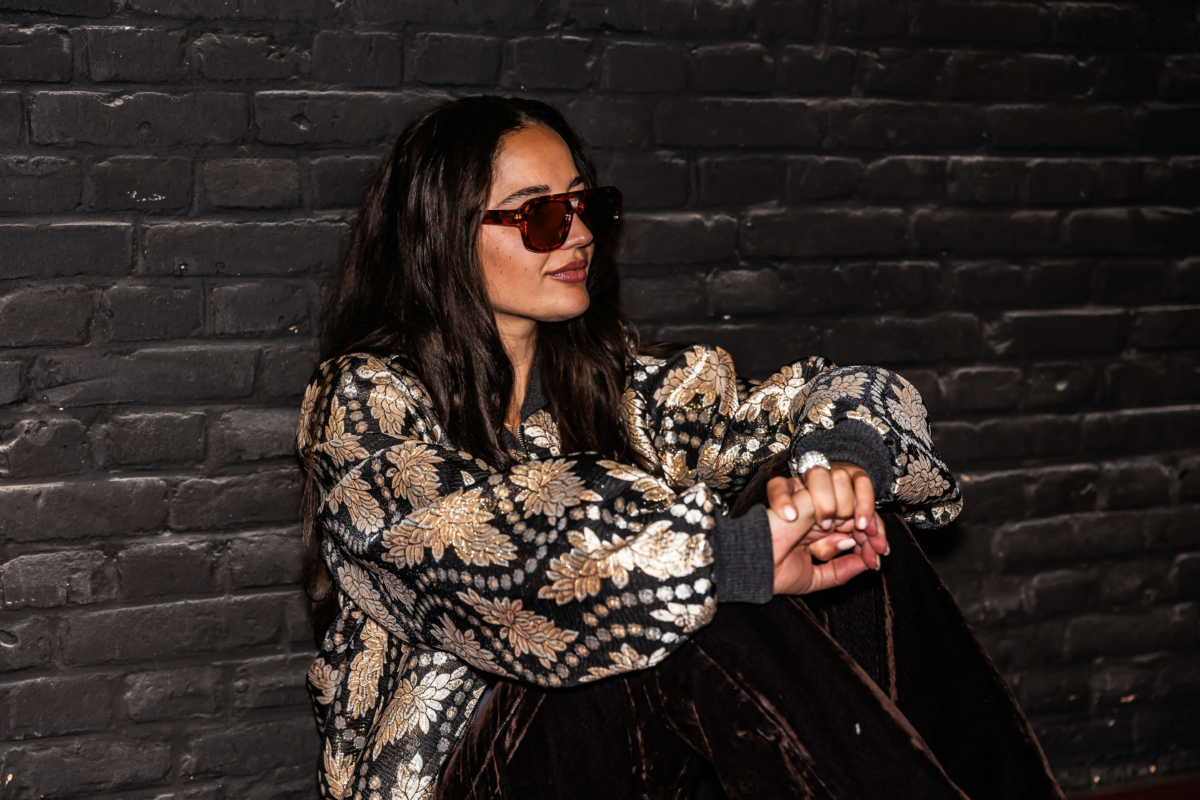
It might be:
- Bright jacket
- Patterned dress
- Bold handbag
- Colorful shoes
- Large earrings
- Interesting coat
If the statement piece is strong, keep the rest of the outfit relatively simple.
This gives the outfit a clear focal point.
Mixing Patterns
Pattern mixing can be stylish, but it does not need to be complicated.
Start with one patterned item.
For example:
- Striped shirt + solid trousers
- Floral dress + simple shoes
- Printed skirt + neutral top
Once you become comfortable, you can experiment with combining patterns that share a color.
The goal is harmony rather than randomness.
How to Dress Stylishly in Your 30s, 40s, 50s, and Beyond
There is no age at which fashion stops being relevant.
Your clothing can evolve as your lifestyle and preferences change.
Instead of following age-based rules, consider:
- Comfort
- Fit
- Quality
- Personal taste
- Lifestyle
- Occasion
A woman in her 50s can wear current trends.
A woman in her 20s can prefer classic clothing.
Age does not determine personal style.
How to Build a Stylish Wardrobe Step by Step
If your wardrobe needs improvement, do not replace everything at once.
Start with an evaluation.
Remove clothing that is:
- Damaged beyond repair
- Uncomfortable
- No longer useful
- Consistently ignored
Then identify gaps.
Perhaps you need better trousers.
Maybe you need a versatile jacket.
Perhaps your everyday shoes are worn out.
Buy strategically.
This creates a wardrobe that grows according to your real needs.
A Simple Weekly Styling Routine
You can make your week easier by preparing several outfits.
On the weekend, check your schedule.
If you have:
- Three workdays
- One casual day
- One dinner
- One weekend activity
Choose appropriate outfits in advance.
This prevents last-minute decisions and helps you notice which clothing combinations work best.
How to Dress Stylishly While Traveling
Travel clothing needs to balance comfort and appearance.
Choose pieces that:
- Pack easily
- Coordinate with each other
- Work across temperatures
- Are comfortable for movement
- Can be worn more than once
Neutral colors are useful for travel because they are easy to combine.
Layering is also important because temperatures can change during a trip.
How to Make Your Wardrobe More Sustainable
Sustainable fashion does not require a perfect wardrobe.
You can start with simple habits:
- Buy fewer unnecessary items.
- Wear clothing longer.
- Repair clothing.
- Consider secondhand options.
- Donate usable clothing responsibly.
- Avoid impulse purchases.
- Choose versatile pieces.
One of the most effective sustainable decisions is buying something only when you expect to use it.
The Future of Personal Style
Fashion is becoming increasingly personalized.
People now have access to inspiration from designers, creators, street style, vintage fashion, online communities, and digital shopping platforms.
This creates more choices than ever.
But more choices can also create confusion.
The future of good personal style may therefore be less about following a single fashion direction and more about learning how to filter information.
You can look at hundreds of trends and still choose only a few.
That ability to edit is a style skill.
A Practical Checklist for Dressing Stylishly
Before leaving the house, ask:
- Does my clothing fit comfortably?
- Does the outfit suit the occasion?
- Do the colors work together?
- Are the proportions balanced?
- Are my shoes appropriate?
- Is there too much happening in one outfit?
- Would one accessory improve it?
- Can I move comfortably?
- Does the outfit feel like me?
If the answer is mostly yes, you probably have a strong outfit.
Final Thoughts
Learning how to dress stylishly is not about following strict fashion rules or spending a large amount of money. It is about understanding fit, proportion, color, comfort, occasion, and personal preference. Start with versatile clothing that works for your real lifestyle, then add trends selectively. Current 2026 fashion offers plenty of inspiration, from modern tailoring and expressive colors to relaxed denim and creative layering, but you do not need to adopt everything you see. The strongest personal style usually comes from knowing what works for you and repeating those choices with confidence. When your clothes fit well, coordinate naturally, suit the occasion, and allow you to feel comfortable, you can look polished without making fashion unnecessarily complicated.
Frequently Asked Questions
How can I look stylish every day without buying new clothes?
Start by creating new combinations from clothing you already own. Change your shoes, add a jacket, use accessories, experiment with layering, or combine colors differently. Good styling can make familiar clothing feel new.
What should I wear if I do not know what is fashionable?
Start with simple, well-fitting basics. Jeans or trousers, a clean top, a versatile jacket, and appropriate shoes can create a stylish foundation. You can then add small current trends that match your personal taste.
How can I make a simple outfit look more fashionable?
Pay attention to fit and finishing details. Add a blazer, belt, scarf, jewelry, structured handbag, or interesting shoes. Even small changes can make a basic outfit look more intentional.
Do I need expensive clothes to dress stylishly?
No. Price does not guarantee good personal style. Fit, coordination, fabric, maintenance, and confidence often have a greater effect on how an outfit looks.
How do I know whether a fashion trend is right for me?
Ask whether you genuinely like it, whether it fits your lifestyle, and whether you can combine it with clothing you already own. If a trend feels uncomfortable or unlike you, there is no need to wear it simply because it is popular.
For more ideas for real, everyday living, visit Songoftruth.org.