

United States Veterans’ Dental Cost Planning Guide
September 30, 2026A new SUV should bring confidence, not a growing stack of service paperwork. While a single repair does not necessarily mean a vehicle has a serious defect, repeated visits for the same symptom warrant close attention. This is especially true when drivers are dealing with concerns such as recurring Escalade problems, intermittent warning lights, power loss, braking concerns, or electronic features that do not work consistently.
The best response is organized and practical. Document what happens, communicate clearly with the service department, check for open recalls, and make safety the priority. A detailed repair history can help establish when a problem started, what was attempted, and whether the vehicle actually improved after each visit.
Why Repeated Repairs Matter
A loose trim piece, a failed sensor, or a one-time software issue can often be corrected in a single visit. The concern becomes more significant when the same complaint returns, the repair changes the symptom without solving it, or several related systems begin acting unpredictably. Problems involving brakes, steering, propulsion, fuel odors, overheating, restraint systems, or driver-assistance features call for particular care.
Count more than repair visits. Note how long the SUV stayed at the shop, its mileage at each appointment, whether parts were backordered, the cost of towing or transportation, and whether the dealership documented your original complaint accurately. Those details create a clearer picture than a list of invoices alone.
The Difference Between A Recall And A Regular Repair
A safety recall addresses a safety-related defect or a failure to meet a federal motor vehicle safety standard. Manufacturers generally provide a recall remedy, which may include repair, replacement, refund, or, in rare circumstances, repurchase. A recall is different from routine maintenance and does not mean that the campaign will cover every issue affecting a vehicle.
- Safety recall: A formal action involving a safety concern or safety-standard issue.
- Service campaign: A manufacturer program that may address a known condition without being a safety recall.
- Technical service bulletin:Instructions for technicians about diagnosing or repairing a condition.
- Warranty repair: Work covered under a written warranty.
- Routine maintenance: Regular service such as inspections, fluid changes, tire service, and brake wear items.
Warning Signs That Need Prompt Attention
Stop Driving And Seek Help When
- Braking power drops, the SUV pulls sharply during braking, or the brake pedal feels abnormal.
- Steering becomes unusually difficult or unresponsive.
- There is smoke, visible fluid leakage, strong fuel or burning odors, or unusual heat.
- The engine loses power unexpectedly in traffic.
- The vehicle moves unexpectedly or does not respond normally to driver inputs.
Schedule Service Soon
- A warning light remains illuminated, even if the vehicle seems to drive normally.
- A shudder, vibration, clunk, hesitation, or rough shift keeps returning.
- A camera, display, sensor, or driver-assistance feature works inconsistently.
- The dealership has already attempted the same repair more than once.
How To Check A Vehicle By VIN
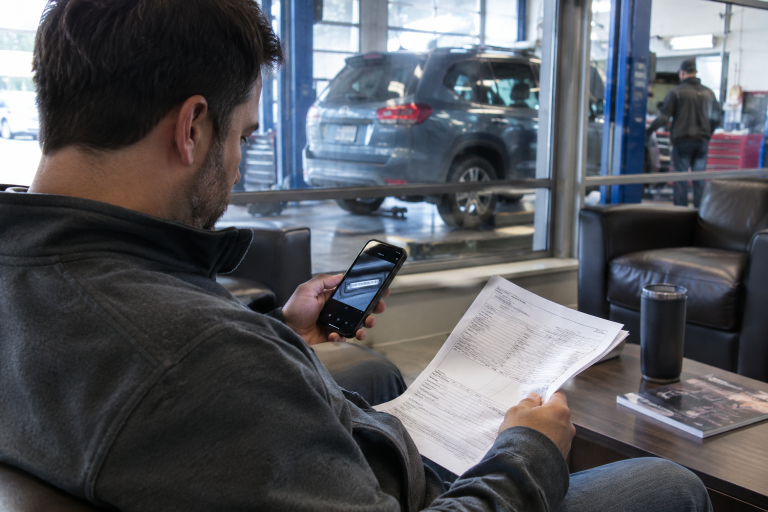
Your 17-character vehicle identification number, or VIN, is commonly visible at the lower left corner of the windshield and also appears on registration and insurance documents. Use the federal VIN recall lookup tool to check whether the specific SUV has an unrepaired safety recall. The search can identify open recalls for a particular vehicle, while year, make, and model searches can provide broader information about recalls, complaints, investigations, and manufacturer communications.
- Copy the VIN carefully and verify every character.
- Review any listed campaign number, affected component, safety risk, and available remedy.
- Contact an authorized dealer if the result is unclear or the repair cannot be scheduled promptly.
- Keep written confirmation after recall work is completed.
How To Build A Clear Repair Record
Create one folder, whether on paper or in cloud storage, for every vehicle-related document. Save purchase or lease paperwork, warranty documents, repair orders, invoices, recall notices, photographs, videos, towing receipts, rental-car receipts, emails, and text messages with the dealer or manufacturer.
For every service visit, record the date, mileage, specific symptoms, weather or driving conditions, people you spoke with, diagnosis, parts replaced, software updates, return date, and whether the concern persisted. “SUV hesitates at low speed after it warms up” gives a technician more useful information than “it feels strange.”
Questions To Ask The Repair Shop
- What testing confirmed the problem?
- What caused the symptom, if the cause was identified?
- Was a recall, campaign, or technical bulletin involved?
- Which parts were replaced or updated?
- Is the vehicle safe to drive while parts are ordered?
- What should happen if the symptom returns?
- Can the repair order include my exact complaint?
- Is a follow-up inspection needed?
Review the paperwork before leaving. A weak description, such as “checked vehicle,” provides little detail. A stronger entry states the customer’s reported condition, the testing performed, the findings, the repair, and the vehicle’s condition at release.
Warranty And Service Contract Basics
A factory warranty, an optional service contract, and a repair-shop warranty are separate forms of coverage. Review the start date, mileage limit, systems covered, exclusions, deductible, authorization requirements, and towing or rental provisions. Keep maintenance receipts, including records from independent shops. The Federal Trade Commission explains that owners do not have to use a dealer for routine maintenance or repairs to keep warranty coverage in effect. However,h coverage decisions may depend on the specific circumstances and the written warranty terms.
Before buying additional coverage, compare the contract with the manufacturer’s warranty already included with the SUV. Ask for claim denials or coverage decisions in writing. Contract language and consumer-protection options can vary by state, so that persistent disputes may warrant guidance from an appropriate consumer agency or qualified attorney.
What To Do When The SUV May Not Be Safe To Drive
- Move to a safe location only if doing so does not create additional risk.
- Use hazard lights and warning devices when appropriate.
- Call roadside assistance or arrange a tow.
- Photograph warning messages, leaks, or visible conditions only when it is safe to do so.
- Write down what happened before the vehicle is moved or restarted.
- Give the service department a complete description and request written driving or towing instructions.
Common Questions From SUV Owners
Does One Repair Mean The SUV Is Defective?
No. One repair can be a normal isolated failure or a straightforward fix. The broader pattern, including repeat symptoms and time out of service, matters more.
What If The Same Problem Returns?
Return promptly, explain when the symptom reappeared, and obtain a new repair order. Bring videos, photos, and prior paperwork if they help show the pattern.
What If The Dealer Cannot Reproduce The Problem?
Ask what testing was performed and provide specific details about speed, temperature, road conditions, warning messages, and frequency. A repeatable description may improve the next diagnostic visit.
Final Takeaway
Repeated SUV repairs are frustrating, but careful documentation makes the situation easier to evaluate. Check for recalls, preserve every repair record, ask direct questions, and do not continue driving when the vehicle feels unsafe. Clear facts give owners the strongest foundation for the next service visit and any decision that follows.
- When A New SUV Keeps Returning To The Shop: A Guide To Recalls, Repairs, And Records
- United States Veterans’ Dental Cost Planning Guide
- Cotton Tank Top: A Complete Guide to Fabric, Fit, Styles, Care, and Buying Tips
- What Are Green Going Out Tops and How Do You Style Them?
- What Is a Graphic Sweater and How Should You Style One?