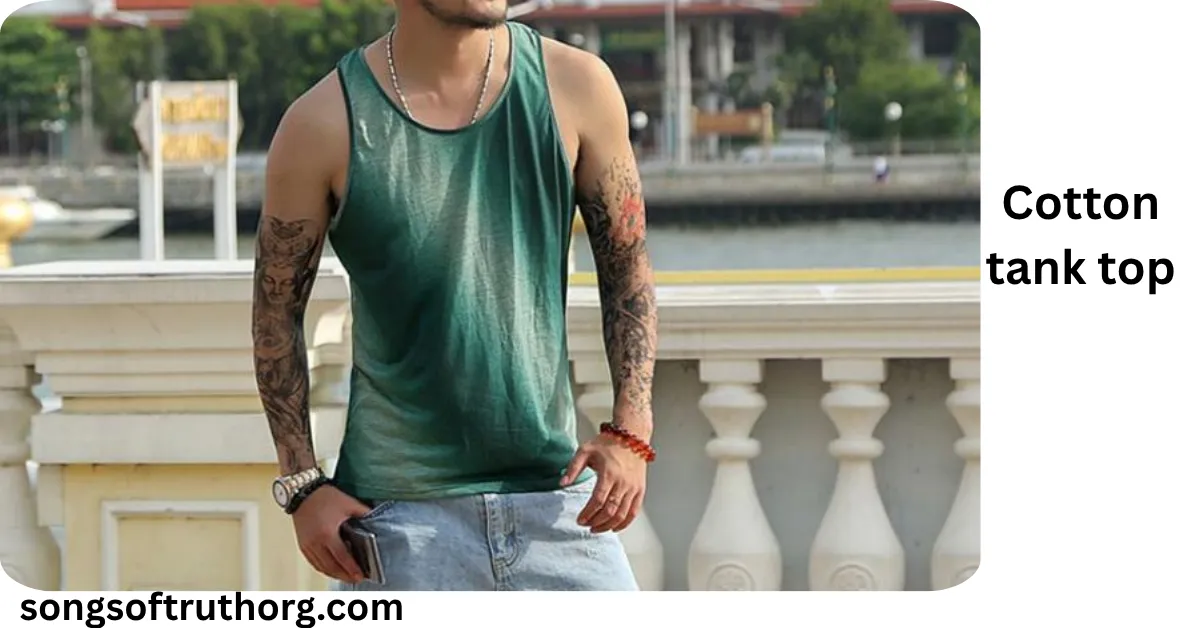
A cotton tank top is one of the simplest and most useful pieces of clothing in a modern wardrobe. It is lightweight, easy to layer, available in many colors and cuts, and suitable for warm weather. Because cotton is a familiar natural fiber, many people choose cotton tank tops for everyday comfort, casual outfits, workouts, travel, sleepwear, and layering.
However, not every cotton tank top feels or performs the same way. The type of cotton, fabric weight, weave or knit, blend, fit, stitching, neckline, and finishing can all affect comfort and durability. A 100% cotton tank top may feel very different from a cotton-spandex style, while a lightweight cotton jersey tank may work better in summer than a thick ribbed version.
This guide explains what a cotton tank top is, how it is made, the different styles available, how to choose the right one, how cotton compares with other materials, and how to care for cotton clothing. The goal is to provide practical information that helps shoppers make informed decisions without focusing on any particular brand.
What Is a Cotton Tank Top?
A cotton tank top is a sleeveless shirt made partly or entirely from cotton fabric. It normally has shoulder straps rather than traditional sleeves and can have different necklines, lengths, fits, and fabric weights.
Cotton is a natural fiber that comes from the cotton plant. It has been used for clothing for centuries because it is soft, breathable, absorbent, and relatively easy to process.
A basic cotton tank top may contain:
- 100% cotton
- Cotton and polyester
- Cotton and spandex or elastane
- Cotton and modal
- Cotton and other synthetic or natural fibers
The exact fiber content matters because it changes how the garment feels, stretches, dries, and holds its shape.
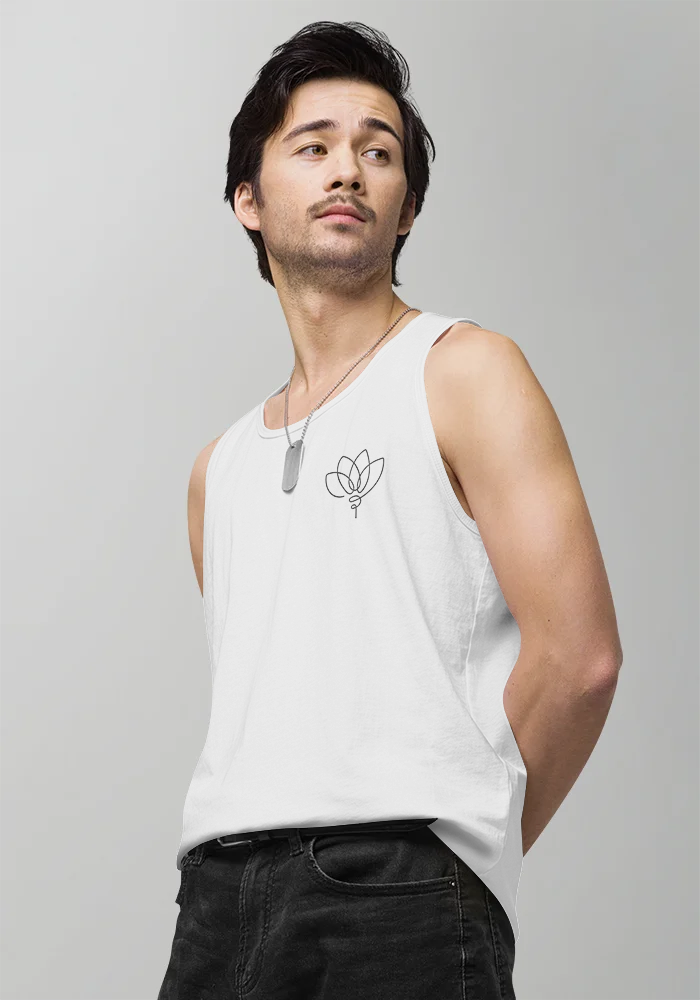
For example, a 100% cotton tank top generally has a natural, soft feel and good breathability. A cotton-spandex tank top usually has more stretch and may maintain its shape better during movement.
Also read:What Is a Graphic Sweater and How Should You Style One?
Why Are Cotton Tank Tops So Popular?
Cotton tank tops remain popular because they combine simplicity with versatility. They can be worn alone in suitable settings or used as a base layer under shirts, sweaters, jackets, and other clothing.
Several characteristics make cotton attractive.
Breathability
Cotton allows air to move through many lightweight fabrics. This can make a cotton tank top comfortable during warm weather.
However, breathability depends on the fabric construction. A heavy cotton fabric may feel warmer than a lightweight cotton jersey.
Soft Feel
Many people like cotton because it has a familiar, natural feel against the skin. The softness can vary depending on the cotton fiber, yarn, fabric construction, and finishing process.
Absorbency
Cotton can absorb moisture. This can make it comfortable during ordinary daily activities, but it can also mean that a wet cotton tank top takes longer to dry than some synthetic performance fabrics.
Easy Styling
A cotton tank top can work with many types of clothing. It can be paired with jeans, shorts, skirts, casual trousers, leggings, or layered underneath other garments.
Wide Availability
Cotton tank tops are available in many price ranges, sizes, colors, and styles. This makes them accessible to a broad range of shoppers.
What Are the Main Types of Cotton Tank Tops?
There is no single standard design for a cotton tank top. Different styles serve different purposes.
Classic Cotton Tank Top
The classic style usually has a simple sleeveless design, moderate neckline, and straight or slightly fitted shape.
It is often used for casual outfits, layering, warm-weather clothing, and everyday wear.
Ribbed Cotton Tank Top
Ribbed cotton tank tops have a textured vertical pattern created by the structure of the fabric.
They often provide more visual texture than smooth jersey fabric. Ribbed styles can also have natural stretch depending on the construction and fiber blend.
Cotton Jersey Tank Top
Cotton jersey is a knitted fabric commonly used for T-shirts and casual tops. It can feel soft and flexible.
A jersey cotton tank top is often a comfortable choice for everyday wear because the fabric can move easily with the body.
Organic Cotton Tank Top
Organic cotton is produced under organic agricultural standards. Depending on the certification and production system, these standards can address how cotton is grown and processed.
Consumers interested in organic cotton should look for recognized certification information rather than assuming that a product described as “natural” is automatically organic.
Cotton-Blend Tank Top
A cotton blend combines cotton with another fiber.
Common combinations include:
- Cotton and polyester
- Cotton and spandex
- Cotton and rayon
- Cotton and modal
The purpose of a blend can be to add stretch, improve durability, reduce drying time, change the texture, or affect the garment’s shape retention.
Longline Cotton Tank Top
A longline tank top has a longer body than a traditional tank.
This design may provide additional coverage and can work well with layered outfits.
Cropped Cotton Tank Top
A cropped tank top has a shorter body length. It is often designed as part of casual or warm-weather outfits.
Because “cropped” describes the length rather than the fiber, a cropped tank can be made from cotton, a cotton blend, or another material.
Athletic Cotton Tank Top
Some tank tops are designed for exercise or casual athletic clothing.
A cotton athletic tank may feel comfortable during light activities, although people who need fast moisture management may prefer performance fabrics.
What Does 100% Cotton Mean?
A 100% cotton tank top means the textile fiber content is entirely cotton, assuming the product label accurately represents the garment.
This does not mean that every 100% cotton tank top will feel identical.
Two garments can both be 100% cotton while having different:
- Fabric weights
- Yarn types
- Knit structures
- Finishes
- Fiber lengths
- Construction quality
- Manufacturing processes
This is an important point when shopping. Fiber content is useful, but it is not the only factor that determines quality.
Is Cotton Good for a Tank Top?
For many everyday uses, cotton is a practical choice for a tank top.
Its main strengths include comfort, softness, absorbency, availability, and versatility.
Its limitations include slower drying when wet, potential shrinking, and possible shape changes after repeated washing if the garment is not properly constructed or cared for.
Whether cotton is “good” depends on how you plan to use the tank top.
For casual summer clothing, cotton can be an excellent choice. For high-intensity exercise where rapid drying is important, a technical synthetic or specialized performance fabric may be more suitable.
Cotton Tank Top vs. Polyester Tank Top
Cotton and polyester have different characteristics.
Cotton is a natural fiber, while polyester is a synthetic fiber.
A cotton tank top may be preferred for its natural feel and absorbency. Polyester is often selected for its durability, lower moisture absorption, and faster drying.
For everyday casual use, many people may prefer cotton. For activities where sweat management and quick drying are important, polyester or a performance blend may have advantages.
There is no universal winner because the best material depends on the activity and personal preference.
Cotton Tank Top vs. Cotton-Blend Tank Top
The choice between 100% cotton and a cotton blend often comes down to priorities.
A 100% cotton tank may offer a traditional cotton feel.
A cotton-spandex blend may provide additional stretch.
A cotton-polyester blend may dry faster and resist certain types of wear.
A cotton-modal blend may offer a particularly smooth or soft texture.
The label’s fiber percentages can help you understand what you are buying.
How to Choose the Right Cotton Tank Top
Choosing a cotton tank top should involve more than selecting a color.
Consider the following factors.
Consider the Intended Use
First, think about where you will wear it.
For everyday use, a lightweight cotton tank may be enough.
For layering, you may want a smooth, relatively thin fabric.
For outdoor summer activities, fabric weight and ventilation can matter.
For exercise, consider whether cotton’s moisture absorption is appropriate for your activity.
Choose the Right Fit
Tank tops can have:
- Relaxed fits
- Regular fits
- Slim fits
- Oversized fits
- Athletic fits
- Longline fits
A relaxed tank provides more room around the body. A slim tank has a closer silhouette.
Fit is a personal choice, but the shoulder area, arm openings, chest, and body length should feel comfortable when you move.
Check the Fabric Weight
Fabric weight can strongly influence comfort.
Lightweight cotton is usually cooler and easier to layer.
Medium-weight cotton can provide a balance between coverage and breathability.
Heavyweight cotton can feel more substantial and may be more durable, but it can also feel warmer.
Look at the Neckline
Common necklines include:
- Crew neck
- Scoop neck
- V-neck
- Square neck
- High neck
The neckline changes the appearance and can also affect how the tank works underneath other clothing.
Examine the Armholes
Armhole size and shape affect comfort.
An opening that is too tight can restrict movement or cause rubbing. An opening that is very large may provide a different level of coverage than you expect.
Pay attention to product measurements if shopping online.
Check the Seams
Good construction can contribute to garment longevity.
Look for:
- Even stitching
- Secure seams
- Clean finishing
- Properly attached straps
- No obvious loose threads
- A well-finished neckline
A low price does not always mean poor quality, and a high price does not automatically guarantee excellent construction. Examining the details is more useful than relying only on price.
How Should a Cotton Tank Top Fit?
The ideal fit depends on personal preference and intended use.
For a relaxed look, the body should have enough room to move without feeling excessively loose.
For layering, a closer fit may prevent extra fabric from bunching under another shirt.
For active movement, make sure the armholes and shoulders do not restrict motion.
The length should also match your intended use. Some people prefer waist-length tanks, while others prefer longer designs.
What Colors Work Best for Cotton Tank Tops?
Color choice is largely personal, but some shades are especially versatile.
Neutral colors include:
- White
- Black
- Gray
- Navy
- Beige
- Brown
These colors can work with many outfits.
Brighter colors can add visual interest and work well for seasonal clothing.
When choosing white or very light cotton, consider fabric thickness and opacity. Thin cotton can sometimes become more transparent under strong lighting, particularly when wet.
Are Cotton Tank Tops Good for Summer?
Cotton tank tops can be very suitable for summer because lightweight cotton can feel comfortable and breathable.
However, cotton absorbs moisture, so a tank can remain damp after heavy sweating.
For a casual summer day, this may not be a problem. For strenuous outdoor activity, a moisture-management fabric may be more practical.
Fabric weight matters as well. A lightweight cotton tank generally makes more sense for hot conditions than a thick heavyweight version.
Are Cotton Tank Tops Good for Exercise?
Cotton can work for low-intensity exercise, walking, stretching, or casual activity.
For high-intensity workouts, however, cotton may not always be ideal.
When cotton becomes wet with sweat, it can feel heavier and take longer to dry.
Performance clothing is often designed specifically to manage moisture and dry quickly.
Therefore, the best choice depends on the activity, weather, personal comfort, and how much sweating is expected.
Can Cotton Tank Tops Shrink?
Yes, cotton garments can shrink, particularly when exposed to high heat during washing or drying.
The amount of shrinkage depends on factors such as:
- Cotton fiber characteristics
- Fabric construction
- Pre-shrinking
- Washing temperature
- Drying temperature
- Garment manufacturing
Some cotton clothing is labeled “pre-shrunk,” which means it has undergone processing intended to reduce later shrinkage. Pre-shrunk does not necessarily mean that additional shrinkage is impossible.
Following the care label is the safest approach.
How to Wash a Cotton Tank Top
Proper washing can help maintain the appearance and shape of a cotton tank top.
A general care approach is:
- Read the garment’s care label.
- Separate colors when necessary.
- Use an appropriate water temperature.
- Avoid excessive heat unless the label permits it.
- Use a suitable laundry detergent.
- Avoid overloading the washing machine.
- Remove the garment promptly after washing.
- Dry according to the care instructions.
The manufacturer’s care instructions should always take priority because different cotton fabrics can require different treatments.
How to Dry Cotton Tank Tops
Air drying can help reduce exposure to high heat.
If you use a dryer, follow the garment’s care instructions and choose an appropriate temperature.
Excessive heat can contribute to shrinkage and may affect elasticity, prints, seams, and other garment components.
For delicate or lightweight cotton, laying the garment flat or hanging it appropriately can help preserve its shape.
How to Prevent Cotton Tank Tops From Losing Shape
Repeated washing and drying can affect clothing over time.
To help maintain shape:
- Follow the care label.
- Avoid unnecessarily high heat.
- Do not stretch the fabric aggressively while wet.
- Store clean clothing properly.
- Avoid overloading the washing machine.
- Use gentle washing settings when recommended.
- Handle ribbed or stretchy areas carefully.
A quality garment can still change over time because textiles naturally experience wear.
How Long Does a Cotton Tank Top Last?
There is no fixed lifespan for a cotton tank top.
A well-made tank used occasionally may last for years. A tank worn and washed several times each week may show wear much sooner.
Durability depends on:
- Fabric quality
- Construction
- Frequency of use
- Washing habits
- Drying methods
- Friction
- Stretching
- Storage
Instead of focusing only on how long a garment “should” last, look for signs of wear such as thinning fabric, loose seams, permanent stretching, holes, or significant fading.
What Makes a Cotton Tank Top High Quality?
Quality is determined by several factors rather than a single feature.
Fabric Quality
Look for fabric that feels appropriate for its intended use. Very thin fabric may be comfortable but can wear faster if poorly constructed.
Construction
Check seams, hems, straps, neckline finishing, and stitching.
Shape Retention
A good tank should maintain a reasonably consistent shape after normal care.
Consistent Sizing
Reliable sizing makes a garment easier to wear and easier to replace.
Appropriate Finishing
Finishing processes can influence softness, appearance, shrinkage, and other characteristics.
Understanding Cotton Labels
Clothing labels can provide valuable information.
A label may tell you:
- Fiber composition
- Washing instructions
- Drying instructions
- Country of manufacture
- Size
- Manufacturer or brand information
- Applicable certification information
Do not confuse marketing language with fiber content.
For example, words such as “natural,” “soft,” or “premium” do not necessarily tell you the exact fiber composition.
The fiber-content label is more useful when you want to understand what the garment is actually made from.
What Is Organic Cotton?
Organic cotton is cotton produced according to organic agricultural standards.
The term can be meaningful when supported by a recognized certification system.
Consumers interested in organic cotton should check whether the product provides credible certification information and understand what that certification covers.
It is also important to distinguish between organic fiber production and broader claims about environmental performance. A garment’s overall environmental impact involves farming, processing, dyeing, manufacturing, transportation, use, and disposal.
Is Cotton Environmentally Friendly?
Cotton is a natural and renewable fiber, but that does not automatically mean every cotton product has a low environmental impact.
Cotton production can involve:
- Water use
- Agricultural inputs
- Land use
- Energy
- Processing
- Dyeing
- Transportation
The environmental profile can vary significantly depending on how the cotton is grown and how the garment is manufactured.
Consumers who want to make more environmentally conscious clothing choices can consider buying durable garments, washing them responsibly, repairing them when practical, and using them for a longer period.
Extending the useful life of clothing can reduce the need for frequent replacement.
Cotton Tank Tops and Sustainable Fashion
Sustainable fashion is not simply about choosing one particular fabric.
A more complete approach considers the entire life of a garment.
Important questions include:
- Is the garment durable?
- Will it be worn frequently?
- Can it be washed efficiently?
- Can it be repaired?
- Will it remain useful for several seasons?
- Can it be donated or reused later?
- Is the product information transparent?
A durable cotton tank top that is worn many times may be a more practical choice than repeatedly buying inexpensive garments that quickly become unusable.
How Much Should You Pay for a Cotton Tank Top?
There is no universally correct price.
The cost can vary according to:
- Fabric quality
- Fiber type
- Construction
- Manufacturing location
- Certification
- Brand positioning
- Design
- Retailer
- Production volume
Instead of judging quality entirely by price, compare fabric composition, construction, measurements, reviews, and care requirements.
A more expensive tank is not automatically better, while an inexpensive one is not automatically poor.
Buying a Cotton Tank Top Online
Online shopping requires extra attention because you cannot physically examine the garment before buying it.
Before purchasing, check:
Size Chart
Do not rely only on your usual size. Measurements can vary between manufacturers.
Fabric Composition
Look for the actual fiber percentages.
Product Measurements
Compare garment measurements with clothing you already own when possible.
Care Instructions
Check whether the garment requires special care.
Also read:Maroon Top: The Complete Guide to Styling, Choosing, and Wearing This Rich Color
Customer Reviews
Reviews can reveal practical information about sizing, shrinkage, thickness, softness, and durability.
However, reviews represent individual experiences. A review saying a garment is “too thin” may reflect personal preference rather than a manufacturing problem.
Common Mistakes When Buying a Cotton Tank Top
Several mistakes can lead to disappointment.
Choosing Only by Price
Price alone does not tell you enough about quality.
Ignoring Fabric Weight
A tank that looks suitable online may be much thinner or thicker than expected.
Assuming 100% Cotton Is Always Better
100% cotton has advantages, but blends can provide useful properties such as stretch and faster drying.
Ignoring Measurements
Sizing varies considerably.
Forgetting Shrinkage
Cotton can shrink under certain washing and drying conditions.
Buying Without Considering the Intended Use
A casual cotton tank and a high-performance workout tank have different purposes.
How to Style a Cotton Tank Top
A cotton tank top is highly versatile.
For a casual outfit, pair it with jeans and sneakers.
For warm weather, combine it with shorts and comfortable footwear.
For layering, wear it underneath an open button-down shirt, cardigan, lightweight jacket, or sweater.
For a simple minimalist look, choose a neutral tank and combine it with similarly simple pieces.
The key advantage of a cotton tank top is that it can serve as either a primary clothing piece or a base layer.
Cotton Tank Tops for Travel
A cotton tank top can be useful while traveling because it is lightweight and easy to combine with other clothing.
However, travelers should remember that cotton may take longer to dry after washing.
If you expect to wash clothing by hand and need it to dry quickly, consider bringing a combination of cotton and quick-drying garments.
A small travel wardrobe can include several tank tops in neutral colors that coordinate with multiple outfits.
Cotton Tank Tops for Layering
Layering is one of the most practical uses for a tank top.
A lightweight cotton tank can work underneath:
- Button-down shirts
- Sweaters
- Cardigans
- Jackets
- Hoodies
- Lightweight outerwear
The best layering tank is usually comfortable without adding excessive bulk.
Smooth fabric can also work better under fitted clothing because it is less likely to create visible texture.
Cotton Tank Tops and Different Seasons
Although commonly associated with summer, cotton tank tops can be worn throughout the year.
Spring
A tank can serve as a base layer under a lightweight shirt or jacket.
Summer
A lightweight cotton tank can work as a simple warm-weather top.
Fall
Layering becomes more important. A tank can be worn under sweaters, overshirts, and jackets.
Winter
A cotton tank can provide an additional clothing layer underneath warmer garments, depending on personal comfort and climate.
Also read:What Are Womens Wide Leg Pants and How Should You Wear Them?
How Cotton Fabric Is Made Into a Tank Top
The manufacturing process generally involves several stages.
Cotton fibers are harvested and processed into usable fiber. The fibers are then spun into yarn.
The yarn is turned into fabric through knitting or weaving, depending on the desired material.
The fabric may then be dyed, printed, finished, cut, and sewn into garments.
A tank top requires careful construction around areas such as:
- Neckline
- Shoulder straps
- Armholes
- Side seams
- Bottom hem
The quality of each stage can influence the final product.
Cotton Tank Top Fabric Types to Know
Understanding fabric terminology can make shopping easier.
Jersey
Jersey is a knitted fabric often associated with soft, flexible casual clothing.
Rib Knit
Rib fabric has raised vertical structures and often has more stretch than plain jersey.
Interlock
Interlock is a type of knit structure that can feel smoother and more substantial than lightweight jersey.
Slub Cotton
Slub yarn creates intentional variations in thickness, producing a textured appearance.
These terms describe fabric construction or appearance and should not be confused with fiber content.
Does Thread Count Matter for Cotton Tank Tops?
Thread count is often discussed in relation to textiles, but it should not be treated as the only indicator of quality.
For a tank top, factors such as yarn quality, fabric construction, weight, finishing, and garment construction can be more useful.
A high number by itself does not guarantee that a garment will be softer, stronger, or more durable.
Cotton Tank Tops and Skin Comfort
Many people choose cotton clothing because it feels comfortable against the skin.
However, individual preferences differ.
People can have different reactions to:
- Fabric texture
- Dyes
- Finishes
- Seams
- Labels
- Elastic materials
- Detergent residue
If a garment causes discomfort, check the fabric composition and care process and consider trying a different material or construction.
How to Store Cotton Tank Tops
Clean, completely dry clothing should be stored in a dry environment.
Folding is usually suitable for cotton tanks.
Avoid storing clothing while damp because moisture can contribute to unpleasant odors and other problems.
For garments that easily lose their shape, folding may be preferable to hanging them for long periods.
When Should You Replace a Cotton Tank Top?
Consider replacing a tank top when it has:
- Persistent holes
- Severely stretched fabric
- Damaged seams
- Significant thinning
- Permanent stains that affect usability
- Excessive fading
- A shape that no longer works for you
If the garment is still usable but no longer suitable for its original purpose, consider repurposing or donating it when appropriate.
Cotton Tank Top Search Intent: What Are People Looking For?
The search term “cotton tank top” can represent several types of shopping and informational intent.
Some people want to find:
- 100% cotton tank tops
- Women’s cotton tank tops
- Men’s cotton tank tops
- Organic cotton tank tops
- White cotton tank tops
- Black cotton tank tops
- Ribbed cotton tank tops
- Cotton undershirts
- Affordable cotton tank tops
- Premium cotton tank tops
- Cotton workout tanks
- Lightweight summer tanks
Others may be researching fabric quality, sizing, shrinkage, or care instructions.
Understanding these different intents is useful for both shoppers and content creators because the phrase does not represent just one product category.
How to Compare Two Cotton Tank Tops
When comparing products, use a consistent checklist.
| Feature | What to Check |
| Fiber content | 100% cotton or blend |
| Fabric weight | Lightweight, medium, or heavyweight |
| Fit | Slim, regular, relaxed, or oversized |
| Neckline | Crew, scoop, V-neck, or other |
| Length | Standard, cropped, or longline |
| Stretch | None, natural, or added stretch |
| Construction | Seams, hems, straps |
| Care | Machine wash, drying instructions |
| Intended use | Casual, layering, travel, exercise |
| Price | Compare with materials and construction |
This approach gives you more information than judging a garment from its product photograph.
Are Cotton Tank Tops Worth Buying?
For many people, yes.
A cotton tank top can be a useful wardrobe basic because it is versatile, comfortable, and available in many designs.
The best choice depends on your needs. If you want natural fibers and everyday comfort, cotton may be a strong option. If you need fast drying and advanced moisture management, another fabric or blend may be more appropriate.
The important point is to match the garment with its intended purpose.
Frequently Asked Questions About Cotton Tank Tops
Is a cotton tank top suitable for everyday wear?
Yes. A cotton tank top can be suitable for everyday wear because cotton is comfortable, versatile, and available in many fabric weights and designs. The best choice depends on weather, activity, fit, and personal preference.
Does a cotton tank top get softer after washing?
Some cotton fabrics can feel softer after repeated washing, particularly depending on the fabric construction and finishing. However, excessive washing, harsh detergents, or high heat can also contribute to wear. Following the care label is the best approach.
Can you iron a cotton tank top?
Many cotton garments can be ironed, but the correct temperature depends on the garment’s care instructions. Check the label before ironing, especially if the tank contains printed graphics, synthetic fibers, or special finishes.
Why does my cotton tank top feel different after washing?
Washing can change the feel of cotton because moisture, heat, agitation, and drying can affect the fabric structure. Some garments become softer, while others may feel stiffer or shrink slightly. Proper care can help reduce unwanted changes.
Can a cotton tank top be recycled?
Some textile-recycling programs accept cotton clothing, but availability depends on the local program and the condition and composition of the garment. If a tank is still wearable, reuse or donation may be preferable to disposal. For damaged clothing, look for textile-recycling options in your area.
Conclusion
A cotton tank top is a simple wardrobe essential with many possible uses. Its comfort, natural fiber content, versatility, and wide range of designs make it popular for everyday clothing, summer outfits, layering, travel, and casual activities. However, the phrase “cotton tank top” does not describe one uniform type of garment. Fabric weight, cotton quality, construction, fit, fiber blends, neckline, and care requirements can all affect performance.
When choosing a cotton tank top, focus on the intended use rather than marketing language alone. Check the fiber content, fabric weight, measurements, stitching, care instructions, and customer feedback when shopping online. Also remember that 100% cotton is not automatically the best choice for every situation. Cotton blends can provide useful benefits such as stretch, shape retention, or faster drying.
With the right combination of fabric, fit, construction, and care, a cotton tank top can remain a practical and comfortable part of a wardrobe for a long time.
For more ideas for real, everyday living, visit Songoftruth.org.