Winter does not mean you have to put your dresses away until spring. With the right layers, fabrics, shoes, and accessories, dresses can be some of the most comfortable and stylish pieces in a cold-weather wardrobe. The key is to build warmth around the dress instead of treating it as a summer-only item.
Learning how to wear a dress in winter is mainly about understanding layers and proportions. A dress can be worn with tights, boots, sweaters, coats, scarves, and other warm accessories to create an outfit that looks intentional while helping you stay comfortable in cold weather.
The best winter dress outfit also depends on the type of dress, the temperature, your daily activities, and the level of formality you need. A lightweight dress that works well on a mild winter day may not provide enough warmth during freezing weather. Likewise, a heavy sweater dress may feel too warm indoors if you spend most of your day in heated spaces.
This guide explains practical ways to wear dresses during winter, including what to layer underneath and over a dress, which shoes work best, how to choose warm fabrics, and how to create outfits for work, weekends, travel, parties, and very cold days.
What Is the Best Way to Wear a Dress in Winter?
The best way to wear a dress in winter is to use several comfortable layers instead of relying on the dress alone for warmth. Tights or thermal leggings can protect your legs, while boots help keep your feet warm. A sweater, cardigan, blazer, or warm coat can add insulation to the upper body.
Accessories also make a difference. A scarf, gloves, hat, and warm socks can provide additional protection when temperatures drop.
Start by considering the dress itself. A long-sleeve knit dress is naturally easier to wear in cold weather than a thin sleeveless summer dress. However, even a lightweight dress can work in winter when combined with appropriate layers.
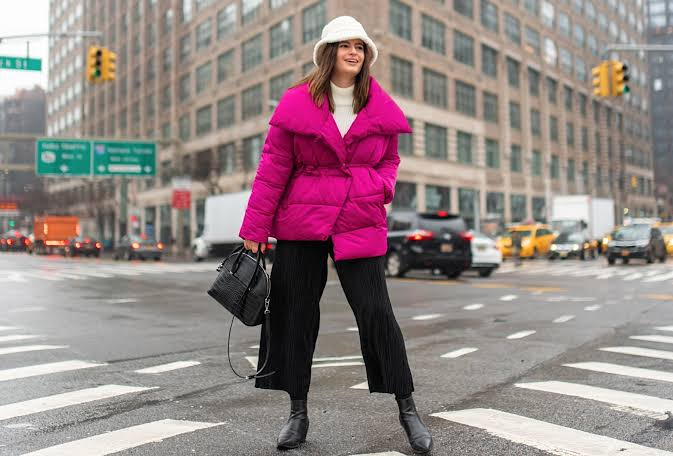
The most useful approach is to think of the outfit as a system. The dress provides the foundation, the middle layers add warmth, and the outer layer protects you from cold air, wind, or precipitation.
Also read:What Is a Crew Neck Short Sleeve Sweater? Complete Guide
Can You Wear Dresses in Winter?
Yes, dresses can absolutely be worn in winter. There is no universal rule that says dresses are only for warm weather.
In fact, many dresses can become useful year-round pieces when styled differently for each season. A floral or lightweight dress that feels like spring clothing can take on a winter appearance when worn with opaque tights, ankle boots, a warm sweater, and a structured coat.
Winter dressing becomes easier when you focus on fabric, layering, and coverage. Wool, thicker knits, corduroy, velvet, and heavier cotton can provide more warmth than thin fabrics.
However, you should also consider your environment. Winter conditions vary greatly across the United States. A winter outfit that works in a mild climate may not be enough for a snowy or windy location.
The goal is not simply to make a summer outfit look “wintery.” It is to create enough insulation and protection for the conditions you will actually experience.
Choose the Right Dress Fabric for Winter
Fabric is one of the first things to consider when choosing a winter dress.
Wool and wool-blend dresses are popular cold-weather choices because wool can provide warmth while still allowing some breathability. Knit dresses can also be comfortable because they often have a little flexibility and can layer easily.
Velvet is another fabric associated with winter dressing. Its texture gives an outfit a richer appearance and can work especially well for evening events and holiday gatherings.
Corduroy dresses can create a casual winter look, while heavier cotton dresses may be useful for everyday outfits.
You do not have to completely avoid lightweight fabrics. Instead, consider using them as part of a layered outfit. A thin dress can be worn under a cardigan, sweater, jacket, and coat when temperatures allow.
The most important factor is how the entire outfit works together. Fabric choice matters, but layering can change the warmth and usefulness of almost any dress.
Wear Tights Under a Dress in Winter
Tights are one of the simplest ways to make a dress more practical for winter.
Opaque tights generally provide more coverage than sheer tights, making them a common choice for cold-weather outfits. Black tights are especially versatile because they work with many dress colors and shoe styles.
If you need additional warmth, look for thermal or fleece-lined tights. These can provide more insulation than traditional thin tights while maintaining the appearance of regular hosiery.
You can also choose tights in colors other than black. Brown, gray, navy, burgundy, and other darker shades can create a softer alternative while adding visual interest.
The thickness of your tights should match the weather and the rest of your outfit. There is no reason to wear extremely thick tights on a mild winter day if you are already wearing a warm coat and boots.
Try Thermal Layers Under Your Dress
When temperatures are particularly low, a normal pair of tights may not be enough.
Thermal base layers can provide extra warmth without adding a large amount of visible bulk. Depending on the dress, you may be able to wear thermal leggings underneath it or a thin thermal top underneath the dress.
A fitted thermal shirt can work particularly well under dresses with looser shapes or higher necklines. If the dress is fitted, choose a smooth base layer to reduce visible lines.
The purpose of a base layer is to create an extra layer close to your body. This can be especially useful when you will spend time outdoors.
The advantage of layering is flexibility. You can remove an outer layer when you enter a heated building without having to completely change your outfit.
Wear Boots With a Winter Dress
Boots are one of the easiest footwear choices for winter dresses.
Ankle boots work with many dress lengths and styles. They can be paired with midi dresses, sweater dresses, casual dresses, and even some more polished outfits.
Knee-high boots provide additional coverage and can work especially well with midi dresses. They can also help create a continuous visual line between the footwear and the dress.
Tall boots are particularly useful when you want more protection from cold air around your lower legs.
The best boot style depends on the weather. If you are dealing with snow, ice, or heavy rain, choose footwear designed for those conditions rather than selecting boots based only on appearance.
For dry winter days, fashion boots can provide a good balance between warmth, comfort, and style.
How to Wear a Midi Dress in Winter
Midi dresses are especially easy to transition into winter because they already provide more leg coverage than short dresses.
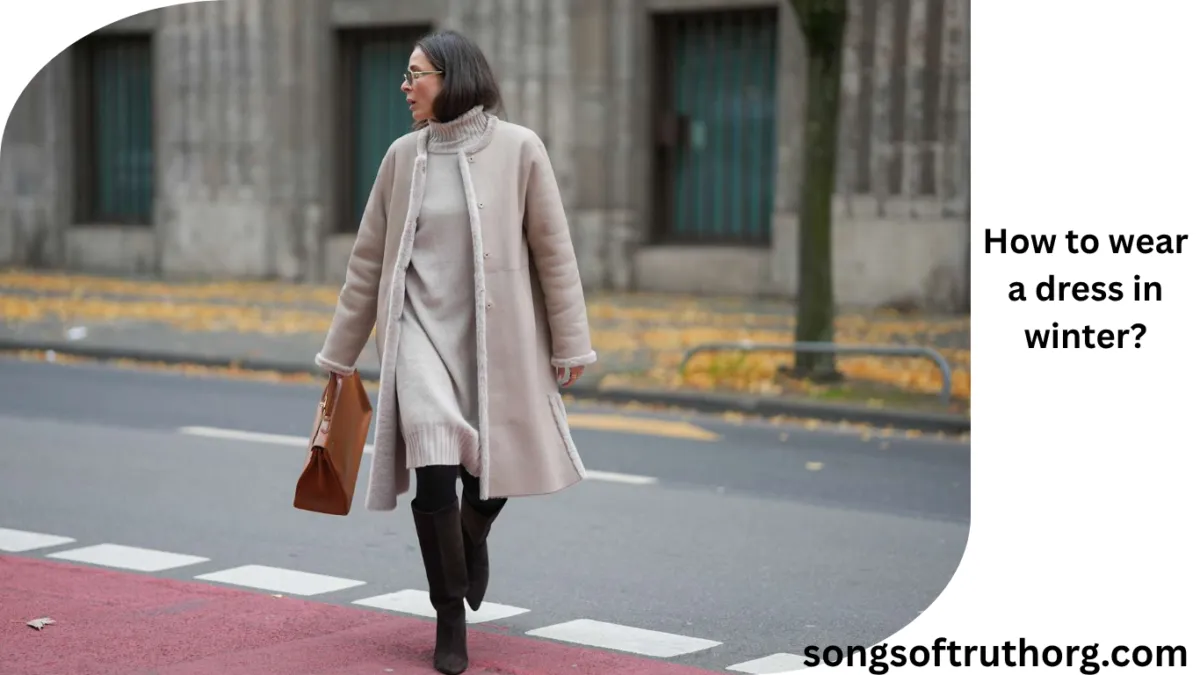
Try a midi dress with opaque tights and ankle boots for a simple everyday outfit. Add a cardigan or fitted sweater for another layer, followed by a coat if you are going outside.
A midi dress can also work with knee-high boots. This combination provides additional coverage and creates a classic cold-weather silhouette.
If the dress has a loose shape, consider adding a belt or wearing a shorter jacket to create some definition around the waist.
For a more relaxed outfit, combine a knit midi dress with flat boots and a long coat.
The advantage of the midi length is that it gives you several layering options without requiring the dress to be extremely heavy.
How to Wear a Maxi Dress in Winter
Maxi dresses can also work well in cold weather, especially when made from heavier materials.
A long-sleeve maxi dress can be paired with warm tights or leggings, depending on the dress design. Boots can provide warmth while remaining mostly hidden under the longer hem.
A long coat can create a coordinated appearance with a maxi dress. You can also add a scarf and gloves when spending time outdoors.
One thing to watch is the hem. A very long dress that touches the ground can become inconvenient in snow, rain, or wet conditions. A shorter maxi or ankle-length dress may be more practical during poor weather.
For indoor events, a maxi dress can be particularly comfortable because it provides substantial coverage without requiring multiple visible layers.
How to Wear a Short Dress in Winter
Short dresses require more attention to leg coverage because more skin is exposed.
Opaque tights are an easy starting point. For colder weather, consider thermal tights or leggings underneath the dress.
Knee-high or tall boots can provide additional coverage. A warm coat that extends to or below the hem of the dress can also help protect your legs when you are outdoors.
If you are wearing a short dress to a winter event, a heavier coat can be removed once you arrive indoors.
The important thing is not to rely on the dress alone. A short dress may look attractive, but it does not provide much protection from cold temperatures without appropriate layers.
Layer a Sweater Over Your Dress
One of the most useful winter styling techniques is wearing a sweater over a dress.
A fitted dress can work underneath a slightly relaxed sweater. You can let the bottom of the dress show below the sweater to create a layered look.
Another option is to wear a cropped sweater that finishes around the waist. This can preserve the shape of the dress while adding warmth.
A sweater can also turn a dress into a skirt-like layer visually. This gives you another way to reuse dresses in your wardrobe during cold weather.
When layering a sweater over a dress, pay attention to fabric thickness. Very thick materials on both layers can create unnecessary bulk, especially if the dress itself is already heavy.
Wear a Cardigan With a Winter Dress
Cardigans are a flexible choice because they can be added or removed easily.
A fitted cardigan can create a polished appearance, while an oversized cardigan can make the outfit feel relaxed and comfortable.
Long cardigans work particularly well with midi dresses, while shorter cardigans can emphasize the waist.
For a professional setting, choose a clean cardigan in a neutral color such as black, gray, navy, cream, or brown. For casual outfits, textured or patterned cardigans can add more personality.
A cardigan is especially useful when winter temperatures change throughout the day. You can remove it indoors and put it back on when you go outside.
Add a Blazer for a Polished Winter Outfit
A blazer can make a dress look more professional while providing an additional layer.
For work, a simple dress paired with a tailored blazer and boots can create an outfit that looks polished without being overly formal.
A blazer can also work for dinners, presentations, meetings, and other occasions where you want more structure.
If the dress is patterned, a solid blazer can help balance the outfit. If the dress is simple, a textured or slightly more distinctive blazer can add interest.
For genuinely cold weather, remember that a blazer is usually a middle layer rather than a replacement for a winter coat.
Wear a Warm Coat Over Your Dress
Your outer coat is often the most important part of a winter dress outfit.
A wool or wool-blend coat can provide a polished appearance and work well for everyday city outfits, office clothing, and evening wear.
A puffer coat may provide more practical warmth in very cold weather, especially when you will spend significant time outdoors.
A long coat can work particularly well with midi and maxi dresses because it creates a continuous vertical shape. A shorter jacket may be more practical with short dresses or casual outfits.
When choosing a coat, consider how much space you need for the layers underneath. A coat that fits over a dress and sweater comfortably will be more useful than one that becomes tight whenever you add another layer.
Use Scarves to Add Warmth and Style
A scarf can be both practical and fashionable.
A thick wool or knit scarf can protect your neck from cold air, while a lighter scarf can add color without creating too much bulk.
Neutral scarves are easy to use with multiple dresses, but patterned scarves can also become the main accessory in an otherwise simple outfit.
If your dress already has a bold print, consider a simpler scarf. If your dress is a solid color, a patterned scarf can add visual interest.
The most important thing is comfort. A scarf should keep you warm without feeling overly tight or heavy.
Add Winter Accessories to Your Dress Outfit
Winter accessories can make a noticeable difference in how warm you feel.
Gloves protect your hands, while a warm hat can help protect your head and ears in cold weather. Warm socks can also make boots more comfortable.
Choose accessories according to the weather rather than using them only for appearance.
A simple dress can look completely different when paired with a wool coat, scarf, leather-style gloves, and boots. This is one reason winter accessories are so useful: they can change the appearance of an outfit without requiring a new dress.
You can also use accessories to introduce different colors and textures.
How to Wear a Dress in Winter Without Looking Bulky
Layering is useful, but too many heavy layers can make an outfit feel bulky.
The solution is usually to combine different thicknesses rather than wearing several heavy pieces at once.
For example, a thin thermal top can go underneath a dress, followed by a medium-weight cardigan and a winter coat. This can provide warmth without requiring three thick sweaters.
Smooth base layers are also useful because they reduce friction and help outer clothing sit more neatly.
Pay attention to proportions. If the dress is loose, a more fitted coat may create balance. If the dress is fitted, a slightly oversized coat can provide contrast.
Good winter styling is not about adding as many layers as possible. It is about choosing useful layers that each serve a purpose.
How to Wear a Summer Dress in Winter
You do not have to stop wearing your favorite summer dresses when the weather gets cold.
Start with a warm base layer. Depending on the dress, you might add a thin long-sleeve top underneath. Opaque tights can provide more leg coverage.

Then add a sweater, cardigan, or jacket. Finish with boots and a warm coat.
A summer dress with a floral print can look completely different when paired with dark tights, ankle boots, and a heavy coat.
Also read:What Is a Women’s Crop Tee? A Complete Guide to Fit, Style, Fabric, and Wear
The trick is to create enough visual weight around the dress. Heavy winter footwear and outerwear can make a lightweight dress feel more appropriate for the season.
However, if temperatures are extremely low, a very thin dress may simply not be practical. Style should not come before comfort and weather protection.
How to Wear a Sweater Dress in Winter
A sweater dress is one of the easiest dresses to style for cold weather because it already provides warmth and texture.
Pair it with tights and boots for a simple outfit. Add a belt if you want to define the waist.
Knee-high boots can create a polished look with a midi sweater dress. Ankle boots offer a more casual alternative.
A long coat can make the outfit look sophisticated, while a puffer jacket can make it more practical for very cold days.
Pay attention to the thickness of the knit. A heavy sweater dress may require a larger coat to fit comfortably over it.
How to Wear a Black Dress in Winter
A black dress provides an easy foundation for winter styling.
For a simple monochromatic outfit, pair it with black tights and black boots. Add a coat in black, gray, camel, or another neutral color.
You can also introduce contrast through accessories. A cream scarf, brown boots, burgundy bag, or patterned coat can keep the outfit from looking too uniform.
A black knit dress can work for everyday wear, while a more refined black dress can be styled for dinners or winter events.
The versatility of black makes it one of the easiest colors to transition between seasons.
How to Wear a Floral Dress in Winter
Floral dresses are often associated with spring and summer, but they can work in winter with the right layers.
Choose darker floral patterns when possible if you want a more seasonal appearance. However, there is no rule that says bright floral prints cannot be worn during winter.
Add opaque tights and boots. Then layer a cardigan, sweater, blazer, or coat over the dress.
A leather-style jacket can create contrast with a feminine floral dress, while a wool coat can create a softer appearance.
The same floral dress can therefore have a completely different personality depending on the layers and accessories surrounding it.
How to Wear a Dress in Winter for Work
Winter work outfits need to balance warmth, comfort, and professionalism.
A midi dress with tights, ankle boots, and a tailored coat is an easy starting point. You can add a blazer or cardigan when you need another layer.
For a more formal workplace, choose dresses in solid colors or subtle patterns. A sweater dress can work in some business-casual settings, particularly when it has a clean shape and is paired with polished footwear.
Avoid choosing winter layers that make movement difficult. You may spend several hours sitting at a desk, walking through an office, commuting, or moving between indoor and outdoor environments.
Your outfit should therefore work both visually and practically.
How to Wear a Dress in Winter for a Party
Winter parties give you more opportunities to use richer textures and statement accessories.
Velvet, satin, knit, sequins, and other textured fabrics can create a festive appearance. For a shorter dress, add opaque tights and elegant boots or another appropriate shoe.
A long wool coat can provide warmth while maintaining a polished appearance when you arrive at the event.
For evening occasions, you can also use jewelry, a small handbag, and a scarf to change the overall look.
Remember that the warmest outerwear may not need to remain on once you are indoors. This allows you to choose a more stylish dress while using your coat for the outdoor portion of the event.
How to Wear a Dress in Winter for Casual Days
Casual winter dressing can be very simple.
A knit dress, tights, boots, and a warm jacket can create an easy everyday outfit. You can add a scarf or beanie when temperatures drop.
For errands or weekends, sneakers may work in dry conditions, but boots often provide better protection in cold or wet weather.
A casual dress does not need to look complicated. Comfortable fabrics, practical layers, and a good-fitting coat can create a complete outfit with very little effort.
How to Wear a Dress in Very Cold Weather
Very cold weather requires more than fashionable layering.
Start with a warm base layer if needed. Add thermal tights or leggings under the dress. Choose warm socks and insulated boots when appropriate.
For your upper body, consider a warm sweater or cardigan under a properly insulated coat.
Protect exposed areas such as your hands, neck, ears, and face when conditions require it. A scarf, gloves, and warm hat can be important in freezing weather.
Pay attention to wind and precipitation as well as the temperature. Wind can make outdoor conditions feel significantly colder, while snow and rain can make unsuitable footwear uncomfortable and unsafe.
On extremely cold days, it may be better to choose pants or other clothing that provides more practical protection. There is no need to force yourself to wear a dress when conditions make it uncomfortable.
How to Choose the Right Winter Shoes for a Dress
The right footwear depends on both the dress and the weather.
Ankle boots are versatile and can work with almost any dress length. Knee-high boots provide more coverage and can create a classic winter appearance.
Chelsea-style boots can work for casual outfits, while dressier boots may be better for evening events.
If there is snow or ice, prioritize traction and weather protection. A beautiful smooth-soled fashion boot may not be the safest option for slippery surfaces.
Comfort is also important. Winter outfits often involve more layers and heavier clothing, so uncomfortable shoes can become even more noticeable.
How to Layer a Dress for Different Temperatures
Different winter temperatures require different combinations.
On a mild winter day, you may only need a dress, light tights, ankle boots, and a jacket.
As temperatures fall, you can add a sweater, thicker tights, and a heavier coat.
For freezing conditions, thermal base layers, insulated outerwear, warm socks, gloves, and weather-appropriate boots may become necessary.
This flexible approach is better than having one fixed winter outfit because temperatures can change significantly during the day.
Indoor heating is another reason layering matters. You may feel cold while commuting outside but warm once you arrive at work or another indoor location.
How to Match Colors in a Winter Dress Outfit
Winter outfits often look polished when they use a small number of complementary colors.
Neutral colors such as black, cream, gray, brown, camel, navy, and white can work with many dresses.
You can also use one stronger color as an accent. For example, a burgundy scarf or brown boots can add warmth to a simple neutral outfit.
Monochromatic outfits are another easy option. Wearing several shades of the same color can create a coordinated appearance without requiring exact matching.
Do not worry about following strict color rules. The best combination is one that works with your dress, skin tone, personal style, and existing wardrobe.
How to Make a Winter Dress Outfit Look More Modern
A modern outfit does not require following every current trend.
Focus on proportions, fit, texture, and simple layering. A classic midi dress can feel modern when paired with a structured coat and contemporary boots.
You can also mix textures. For example, a smooth dress with a chunky knit scarf and leather-style boots creates contrast.
Avoid adding too many statement pieces at once. If the dress has a strong print, keep the rest of the outfit relatively simple. If the dress is basic, use accessories or footwear to create interest.
Good styling often comes from balance rather than complexity.
Common Mistakes When Wearing Dresses in Winter
One common mistake is wearing a dress that is too thin for the weather without enough layers. A beautiful outfit is not useful if you are uncomfortable throughout the day.
Another mistake is choosing shoes based only on appearance. If the ground is icy or wet, footwear needs appropriate traction and weather protection.
Wearing too many bulky layers can also make an outfit uncomfortable. Thin, effective base layers are often better than several heavy sweaters.
Another issue is ignoring the length of the coat. A short jacket may leave a large part of your outfit exposed to cold air, especially when wearing a short dress.
Finally, do not assume that every winter outfit has to be dark. Winter dresses can include bright colors, prints, creams, pastels, and other shades. The layers and fabrics can make them feel appropriate for the season.
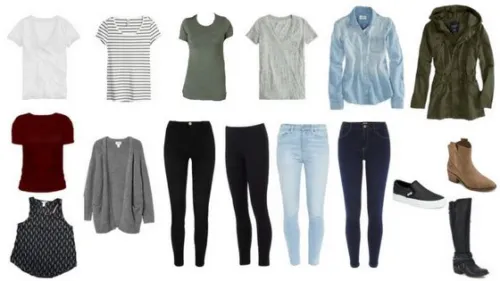
How to Build a Simple Winter Dress Capsule Wardrobe
You do not need dozens of dresses to create many winter outfits.
A useful winter wardrobe might include one neutral knit dress, one darker midi dress, one casual dress, and one dress suitable for more formal occasions.
Add versatile tights, ankle boots, knee-high boots, a warm cardigan, a blazer, a scarf, and a reliable winter coat.
These pieces can be combined in many ways.
For example, the same black midi dress can be worn with sneakers and a casual jacket on one day, then with boots and a wool coat for a more polished outfit.
The advantage of a capsule-style approach is that every item has multiple uses. You spend less time deciding what to wear and get more value from the clothing you already own.
How to Wear a Dress in Winter While Staying Comfortable
Comfort should be part of your styling plan from the beginning.
Choose fabrics that feel comfortable against your skin. Make sure your tights do not pinch, your boots allow enough room for warm socks, and your coat leaves enough space for the layers underneath.
Think about how you will spend your day. An outfit for a short dinner reservation can be different from one for several hours outside.
If you commute, consider what happens between your home, car, public transportation, workplace, and destination. You may need a removable layer for indoor spaces.
The best winter dress outfit is one that allows you to move normally, stay warm enough for the conditions, and still feel confident.
Final Thoughts
Learning how to wear a dress in winter is really about smart layering rather than giving up dresses when temperatures fall. Tights, thermal layers, sweaters, cardigans, boots, scarves, and warm coats can transform many dresses into practical cold-weather outfits.
Start with the conditions you expect to face and then build your outfit around them. A lightweight dress may work on a mild winter day with tights and a coat, while a freezing day may call for thermal layers, insulated boots, and a properly warm outer layer. The same dress can also look completely different when you change the shoes, coat, and accessories.
For everyday winter dressing, focus on comfortable fabrics, practical footwear, and layers that can be removed when you move indoors. Most importantly, do not let fashion take priority over warmth and safety in severe weather. With a little planning, dresses can remain useful, comfortable, and stylish throughout much of the winter season.
Frequently Asked Questions About Wearing Dresses in Winter
Can I wear a sleeveless dress in winter?
Yes. A sleeveless dress can work in winter when you add a long-sleeve base layer, fitted sweater, cardigan, blazer, or warm coat. Thermal tights can also provide additional coverage.
What should I wear under a dress when it is freezing?
For very cold weather, you can consider thermal tights or leggings and a thin thermal top if the dress allows it. Warm socks, appropriate boots, and an insulated outer coat can provide additional protection.
Can I wear sneakers with a dress in winter?
Yes, sneakers can work with a winter dress when conditions are dry and the sneakers provide enough comfort and coverage. For snow, ice, or heavy rain, weather-appropriate boots may be a better choice.
Are fleece-lined tights good for winter dresses?
Fleece-lined tights can be useful when you want additional warmth while maintaining the appearance of tights. They may be especially helpful with short or midi dresses during colder weather.
Can I wear a dress without tights in winter?
You can, but it may not be comfortable in cold temperatures. If you choose to go without tights, consider a warm dress, tall boots, and a good coat, and make sure the conditions are mild enough for your outfit.
What coat looks best with a winter dress?
A wool coat, tailored coat, puffer, or other winter-appropriate outer layer can work depending on the dress and weather. Long coats often pair naturally with midi and maxi dresses, while shorter jackets can work well with shorter dresses.
For more ideas for real, everyday living, visit Songoftruth.org.