
How To Design Website Navigation That Feels Clear, Fast, And Easy To Use In 2026
August 12, 2026
How to Dress Stylishly: A Simple Guide to Looking Polished, Confident, and Modern
August 27, 2026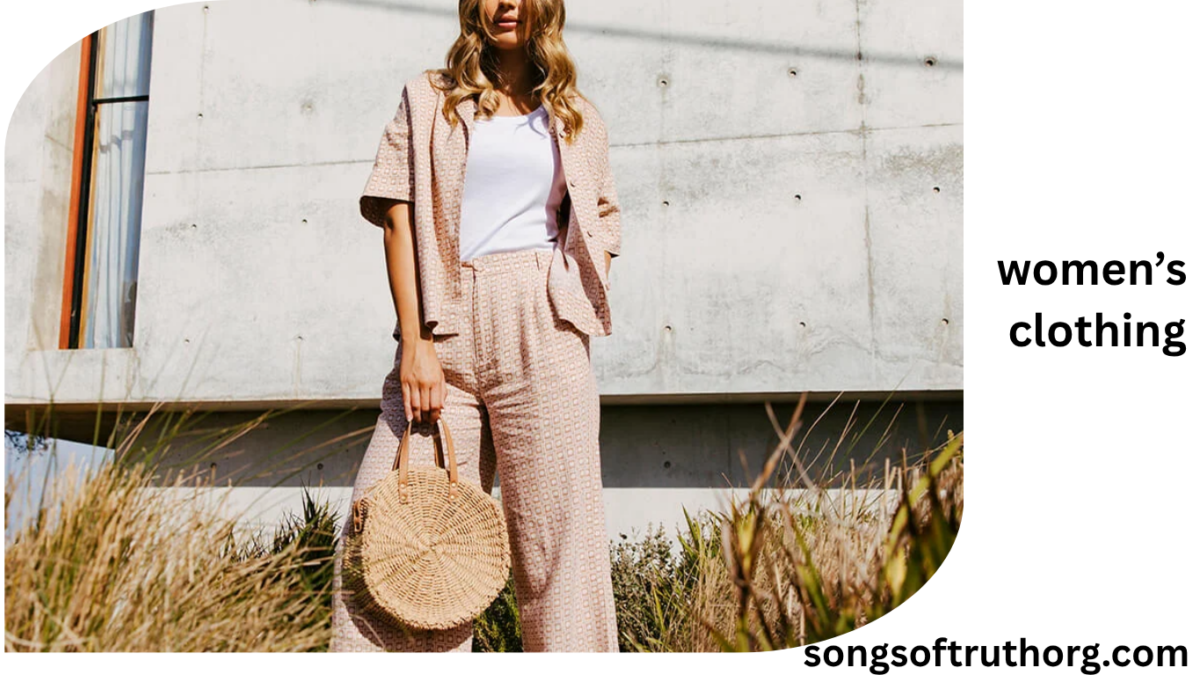
Women’s clothing is much more than a collection of dresses, shirts, pants, skirts, and jackets. Clothing can affect how a person feels, how comfortable they are, how they present themselves, and how easily they move through everyday life. The best wardrobe is not necessarily the one with the most clothes. It is the one that gives you useful choices for work, weekends, travel, events, changing weather, and different parts of your lifestyle.
For women in the United States, the clothing market offers an enormous range of choices. There are affordable basics, luxury pieces, sustainable options, athletic clothing, workwear, casual outfits, formal dresses, denim, seasonal collections, and countless styles available both in stores and online. This variety is useful, but it can also make shopping confusing.
A better approach is to understand the purpose of each piece before buying it. Ask whether it fits your lifestyle, whether it can be worn in more than one way, whether the fabric works for your climate, and whether you actually feel comfortable wearing it.
Current fashion also shows that women’s clothing is moving in several directions at once. Fall 2026 fashion emphasizes expressive styling, modern tailoring, rich textures, updated classic pieces, and creative proportions. Designers are combining practical wardrobe staples with more dramatic details rather than following one single look.
That is useful for everyday shoppers because it means there is no single definition of being fashionable. Personal style matters more than simply copying every runway trend.
What Is Women’s Clothing?
Women’s clothing refers to apparel designed, marketed, or commonly worn by women. It includes everyday basics, professional clothing, athletic wear, formalwear, outerwear, sleepwear, underwear, swimwear, and accessories that complete an outfit.
Common categories include:
- Dresses
- Tops
- Blouses
- T-shirts
- Sweaters
- Cardigans
- Jeans
- Trousers
- Leggings
- Skirts
- Shorts
- Blazers
- Coats
- Jackets
- Jumpsuits
- Activewear
- Loungewear
- Formalwear
- Swimwear
- Workwear
There is no requirement that a woman dress according to one category or aesthetic. Someone can wear tailored trousers one day, jeans and sneakers the next day, and a formal dress for an evening event.
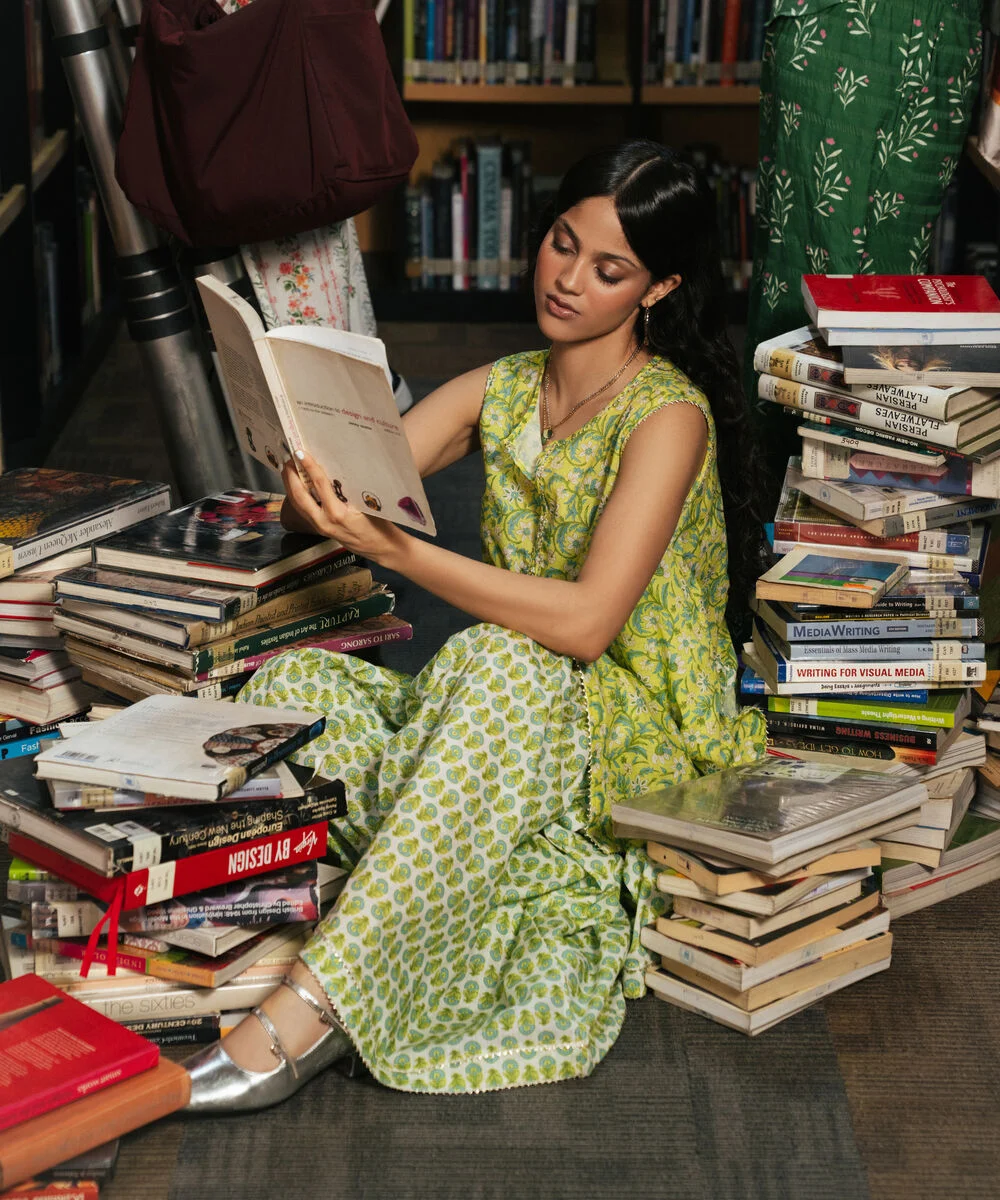
Modern women’s fashion is increasingly about flexibility.
Why Women’s Clothing Is About More Than Trends
Fashion trends change quickly, but most people do not completely replace their wardrobes every season.
That is why it is useful to separate trends from personal style.
A trend may be popular for several months, while a well-made blazer, simple jeans, white shirt, comfortable sweater, or classic coat can remain useful for years.
This creates an important shopping principle: buy trends selectively and build your wardrobe around pieces that already work with your lifestyle.
The strongest wardrobe often combines:
- Timeless basics
- Personal favorites
- Seasonal pieces
- A few current trends
- Comfortable everyday clothing
- Occasion-specific items
This approach gives you fashion variety without requiring constant shopping.
Understanding Personal Style
Personal style is the way you consistently choose and combine clothing.
Some women prefer minimalist outfits. Others enjoy bold colors, prints, vintage influences, streetwear, romantic pieces, classic tailoring, sporty clothing, or a mixture of several styles.
You do not need to choose one label.
Your personal style can change with your age, work, lifestyle, location, season, and interests.
A useful way to identify your style is to look at the clothing you already wear.
Ask yourself:
- Which outfits make me feel confident?
- Which colors do I wear most?
- Do I prefer fitted or relaxed clothing?
- Do I like simple or detailed designs?
- What shoes do I wear most often?
- What clothing do I repeatedly reach for?
- Which purchases rarely leave my closet?
Your answers can reveal your actual style better than a personality quiz.
Women’s Clothing Trends in 2026
Fashion in 2026 is not centered around one universal aesthetic. Current collections show a combination of expressive color, updated tailoring, feminine details, relaxed pieces, nostalgic influences, and creative proportions.
For fall 2026, fashion coverage highlights modern blazers, updated suiting, floral pieces, peplum shapes, Art Deco-inspired details, layered looks, and unusual proportions.
Vibrant colors are also gaining attention. Current fall color coverage includes electric blue, vibrant red, royal purple, butter yellow, juicy peach, turquoise, and burgundy.
The important lesson for shoppers is that you do not have to wear every trend.
Choose the trends that fit your existing wardrobe.
For example, if you normally wear neutral clothing, adding a burgundy handbag or colorful sweater may be enough to create a current look without rebuilding your entire closet.
The Return of Denim
Denim remains one of the most useful categories in women’s clothing.
Jeans can be worn with T-shirts, blouses, sweaters, blazers, sneakers, boots, flats, and heels.
Current 2026 fashion coverage is also showing renewed interest in 1980s-inspired denim, including straight-leg, boyfriend, balloon, acid-wash, and ripped styles.
This does not mean every woman needs a new pair of jeans.
Instead, consider which silhouette works best with your existing clothes.
A straight-leg jean can create a classic foundation. A relaxed or boyfriend style can provide a casual appearance. A wider silhouette can create a more fashion-forward outfit.
Fit and comfort should come before a trend label.
How to Choose the Right Jeans
Finding the right jeans can take time because denim varies in rise, fabric, stretch, leg shape, and length.
Consider:
- Waist fit
- Rise
- Hip fit
- Thigh comfort
- Leg shape
- Length
- Fabric stretch
- Intended use
A good pair of jeans should allow comfortable movement.
Do not buy jeans only because they look good on a model or mannequin. Body proportions differ, and a style that works beautifully for one person may not work the same way for another.
Dresses for Women
Dresses remain one of the most flexible categories of women’s clothing.
Different dresses can serve different purposes.
Popular categories include:
- Casual dresses
- Shirt dresses
- Maxi dresses
- Midi dresses
- Mini dresses
- Wrap dresses
- Sweater dresses
- Cocktail dresses
- Formal dresses
- Work dresses
- Summer dresses
The best dress depends on the event, weather, personal style, and comfort level.
A simple midi dress, for example, can often move from daytime to evening with a change of shoes and accessories.
Everyday Casual Women’s Clothing
Casual clothing is often the foundation of a practical wardrobe.
Useful casual pieces include:
- T-shirts
- Jeans
- Relaxed trousers
- Casual skirts
- Sweaters
- Cardigans
- Lightweight jackets
- Sneakers
- Flats
- Simple dresses
Casual does not have to mean careless.
A clean pair of jeans, a well-fitting shirt, a structured jacket, and simple shoes can look polished while remaining comfortable.
Workwear for Women
Workwear depends heavily on the workplace.
A corporate office may require tailored clothing, while a creative workplace may allow more relaxed styles.
Useful workwear pieces can include:
- Blazers
- Tailored trousers
- Button-down shirts
- Blouses
- Midi skirts
- Simple dresses
- Knit tops
- Loafers
- Flats
- Professional boots
The modern approach to workwear is often about flexibility rather than rigid suits.
Current fall 2026 fashion coverage highlights softer tailoring and updated suiting, showing how traditional workwear can become more relaxed and contemporary.
Business Casual Women’s Clothing
Business casual can be confusing because workplaces define it differently.
A safe starting point is polished clothing that is more relaxed than formal businesswear.
Examples include:
- Blouse with trousers
- Sweater with tailored pants
- Blazer with dark jeans where appropriate
- Midi skirt with a structured top
- Simple dress with flats or loafers
Always consider your workplace culture.
What is acceptable in a creative office may not be appropriate in a law firm, financial institution, medical setting, or formal client meeting.
Women’s Clothing for Summer
Summer clothing should balance style and comfort.
Lightweight fabrics and breathable designs can make hot weather easier to manage.
Useful summer pieces include:
- Cotton tops
- Linen pants
- Lightweight dresses
- Shorts
- Skirts
- Tank tops
- Lightweight button-down shirts
- Sandals
- Breathable sneakers
Summer 2026 fashion coverage has highlighted relaxed pieces such as cargo pants, button-down shirts, sporty clothing, scarf tops, playful sets, and flowing silhouettes.
You can adapt these ideas without buying an entirely new summer wardrobe.
Women’s Clothing for Fall
Fall is one of the easiest seasons for creating layered outfits.
Useful pieces include:
- Sweaters
- Cardigans
- Blazers
- Trench coats
- Leather jackets
- Jeans
- Trousers
- Boots
- Loafers
- Scarves
Current fall 2026 wardrobe recommendations emphasize versatile layering, relaxed denim, striped knits, polo shirts, blazers, trench coats, anoraks, leather jackets, and practical bags.
Layering also gives you more outfits from fewer pieces.
Winter Women’s Clothing
Winter clothing needs to provide warmth without making movement difficult.
Important winter pieces can include:
- Wool coats
- Puffer jackets
- Sweaters
- Thermal layers
- Long trousers
- Boots
- Scarves
- Gloves
- Warm socks
The best winter wardrobe depends on where you live.
A woman living in Minnesota may need very different winter clothing from someone living in Southern California or Florida.
Spring Women’s Clothing
Spring is a transition season.
Temperatures can change significantly during the day, making layering useful.
Try combinations such as:
- Lightweight sweater with jeans
- Blouse with trousers
- Dress with a jacket
- T-shirt with cardigan
- Lightweight trench coat with casual clothing
Spring is also a good time to introduce brighter colors and lighter fabrics.
How to Build a Women’s Clothing Capsule Wardrobe
A capsule wardrobe contains a relatively small collection of versatile pieces that work together.
The exact number of items is not important.
The goal is flexibility.
A simple capsule wardrobe might contain:
- Two or three pairs of pants
- One pair of jeans
- Several basic tops
- Two sweaters
- One blazer
- One casual dress
- One more formal outfit
- One versatile jacket
- Comfortable sneakers
- Flats or loafers
- Boots
- A versatile handbag
You can adjust this list according to your lifestyle.
Someone who works from home may need fewer formal pieces. Someone who attends business meetings regularly may need more professional clothing.
How to Choose Clothes That Actually Get Worn
One of the biggest clothing mistakes is buying something because you like it individually without considering how it fits your existing wardrobe.
Before buying a new item, ask:
- What will I wear with this?
- Where will I wear it?
- Can I create at least three outfits?
- Does it fit comfortably?
- Does it suit my lifestyle?
- Do I already own something similar?
If you cannot answer these questions, the item may become another unused piece in your closet.
The Importance of Fit
Fit often matters more than brand.
An inexpensive garment that fits well can look more polished than an expensive garment that does not fit properly.
Pay attention to:
- Shoulder position
- Sleeve length
- Waist placement
- Trouser length
- Dress length
- Bust fit
- Hip fit
- Overall comfort
Minor alterations can sometimes transform a good garment into a much better one.
Clothing for Different Body Shapes
Fashion advice often categorizes women into specific body shapes.
These categories can be useful as general styling ideas, but they should not become strict rules.
There is no single correct way to dress a particular body.
Instead, focus on proportion and personal preference.
If you like a particular silhouette, wear it.
If you prefer oversized clothing, use it.
If you prefer fitted clothing, use that instead.
Good fashion should help you feel comfortable rather than make you feel that your body needs to be corrected.
How Color Changes an Outfit
Color can completely change the feeling of clothing.
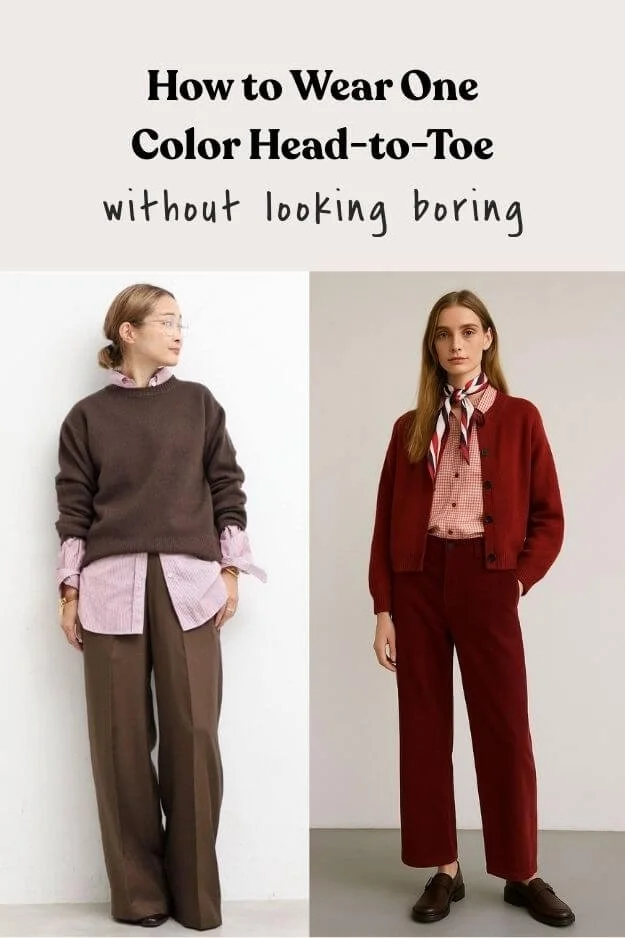
Neutral colors such as:
- Black
- White
- Navy
- Gray
- Beige
- Brown
are easy to combine.
Stronger colors can add personality.
Current fall 2026 fashion reporting highlights vibrant shades such as electric blue, red, purple, turquoise, peach, and burgundy.
You do not need to wear bold colors from head to toe.
A colorful sweater, scarf, handbag, shoe, or jacket can be enough.
Choosing Fabrics for Women’s Clothing
Fabric affects comfort, appearance, durability, and care requirements.
Common fabrics include:
- Cotton
- Linen
- Wool
- Silk
- Denim
- Polyester
- Rayon
- Viscose
- Nylon
- Cashmere
Natural fibers can provide specific comfort benefits, while synthetic fibers can offer durability, stretch, moisture management, or easier care.
There is no universally perfect fabric.
Consider the purpose of the garment.
A workout top has different requirements from a winter coat.
A summer dress has different requirements from office trousers.
Why Clothing Quality Matters
Quality does not always mean expensive.
A useful way to judge quality is to examine construction.
Look at:
- Seams
- Buttons
- Zippers
- Fabric thickness
- Stitching
- Lining
- Shape retention
- Finishing details
A moderately priced garment that survives many seasons may offer better value than a cheap item that needs replacement quickly.
Affordable Women’s Clothing
Affordable fashion can be useful when shopping with a plan.
Rather than buying many inexpensive pieces simply because they are cheap, identify what your wardrobe actually needs.
Prioritize pieces that:
- Fit well
- Match multiple items
- Suit your lifestyle
- Are comfortable
- Can be worn regularly
This creates value through use rather than through the number of items owned.
Luxury Women’s Clothing
Luxury fashion can provide craftsmanship, distinctive design, materials, brand heritage, and exclusivity.
However, a luxury label does not automatically mean every garment will be more useful for your lifestyle.
If you are considering an expensive purchase, ask what makes the item worth the price for you.
Is it craftsmanship?
Design?
Fabric?
Longevity?
Or simply the name?
Understanding that difference can make luxury shopping more intentional.
Sustainable Women’s Clothing
Sustainable fashion focuses on reducing some of the environmental and social problems associated with clothing production and consumption.
Consumers can make more thoughtful choices by:
- Buying fewer unnecessary items
- Wearing clothes for longer
- Repairing garments
- Buying secondhand
- Choosing durable materials
- Donating responsibly
- Reselling unwanted clothing
Sustainability does not require perfection.
One of the easiest steps is simply to buy less clothing that you do not need.
How to Shop for Women’s Clothing Online
Online shopping provides enormous convenience, but sizing can vary between brands.
Before ordering:
- Check the size chart.
- Measure yourself when necessary.
- Read fabric information.
- Review return policies.
- Look at customer reviews.
- Check delivery times.
- Understand final costs.
Do not rely entirely on a size label.
A medium in one brand may fit differently from a medium in another.
How to Shop Smarter During Sales
Sales can save money, but they can also encourage unnecessary purchases.
A discount is not a saving if you never wear the item.
Before purchasing a sale item, ask:
“Would I buy this at a normal price if I actually needed it?”
If the answer is no, the sale may not be a good reason to buy it.
Women’s Clothing and Comfort
Comfort should not be treated as the opposite of style.
Modern fashion provides many ways to look polished while remaining comfortable.
Examples include:
- Relaxed trousers
- Knit dresses
- Soft blazers
- Wide-leg pants
- Comfortable loafers
- Clean sneakers
- Lightweight layers
Current 2026 fashion reporting repeatedly points toward wearable clothing combined with personality, suggesting that practicality and fashion can work together.
Shoes and Women’s Clothing
Shoes can change the entire character of an outfit.
A simple dress can look casual with sneakers and more formal with heels.
Useful shoe categories include:
- Sneakers
- Flats
- Loafers
- Sandals
- Ankle boots
- Knee-high boots
- Heels
- Dress shoes
Choose shoes based on comfort, walking needs, climate, and the outfits you actually wear.
Accessories That Complete an Outfit
Accessories can make basic clothing feel more personal.
Useful options include:
- Handbags
- Belts
- Scarves
- Watches
- Sunglasses
- Earrings
- Necklaces
- Bracelets
- Hair accessories
You do not need many accessories.
A few pieces that work with multiple outfits can be more useful than a large collection.
How to Create More Outfits From Fewer Clothes
You can increase wardrobe variety through combinations.
For example, one blazer can be worn with:
- Jeans and a T-shirt
- Trousers and a blouse
- A dress
- A skirt
- Wide-leg pants
One white shirt can also work with jeans, trousers, skirts, shorts, or layered under sweaters.
This is why versatile pieces are valuable.
Common Women’s Clothing Mistakes
Some common shopping mistakes include:
- Buying without checking fit
- Following every trend
- Buying too many similar items
- Ignoring fabric care
- Shopping only because something is discounted
- Choosing appearance over comfort
- Ignoring the existing wardrobe
- Buying clothing for an imaginary lifestyle
- Keeping clothing that never gets worn
A better wardrobe starts with honest observation.
Look at what you actually wear.
Then buy accordingly.
How to Organize a Women’s Clothing Wardrobe
Organization makes dressing easier.
You can arrange clothing by category:
- Tops
- Pants
- Dresses
- Skirts
- Sweaters
- Jackets
- Formalwear
You can also organize by color or season.
The best method is the one that makes your most-used clothing easy to find.
When to Clean Out Your Closet
A wardrobe does not need to be cleared every few months.
Instead, review clothing when you notice that:
- Items no longer fit your lifestyle
- Clothing is damaged beyond reasonable repair
- You have not worn something for a long time
- You own many nearly identical items
- Certain pieces no longer make you feel comfortable
Consider repairing, donating, selling, recycling, or responsibly discarding items depending on their condition.
The Future of Women’s Clothing
Women’s fashion is likely to continue balancing technology, individuality, convenience, sustainability, and creative design.
One major development is the increasing use of digital tools to discover and style clothing.
Social media can introduce trends quickly, while AI-powered shopping tools and personalized recommendations can help consumers find products that match their preferences.
At the same time, consumers are becoming more interested in value and versatility.
The future is unlikely to be about everyone wearing exactly the same trend.
Instead, women’s clothing will continue moving toward personal expression, flexible wardrobes, and combinations of classic pieces with new ideas.
A Practical Women’s Clothing Shopping Checklist
Before buying a new piece, ask:
- Does it fit properly?
- Is it comfortable?
- Can I wear it with existing clothes?
- Where will I wear it?
- Can I create multiple outfits?
- Is the fabric appropriate?
- Is it easy to care for?
- Does the price make sense?
- Am I buying it because I need it or because it is on sale?
- Will I still want it after the trend changes?
These questions can prevent many unnecessary purchases.
Final Thoughts
Women’s clothing is ultimately about finding a balance between style, comfort, personality, quality, and practicality. Current 2026 fashion shows plenty of exciting directions, from expressive colors and updated tailoring to relaxed denim, feminine details, creative proportions, and versatile layering. But following every trend is not necessary. A strong wardrobe begins with useful basics that fit well and work with your lifestyle. From there, you can add seasonal pieces, statement clothing, accessories, and trends that genuinely appeal to you. The best women’s clothing is not simply what is popular at the moment. It is clothing that you enjoy wearing, can use in real life, and can combine in ways that make getting dressed easier.
Frequently Asked Questions
What are the most important women’s clothing pieces to own?
A practical wardrobe can include well-fitting jeans or trousers, basic tops, a versatile jacket or blazer, comfortable shoes, a sweater, a dress, and seasonal outerwear. The exact selection should depend on your lifestyle.
How can I make women’s clothing look more expensive?
Focus on fit, clean styling, good proportions, simple color combinations, and well-maintained clothing. You do not need designer labels to create a polished appearance.
How many clothes should a woman own?
There is no correct number. Someone who works from home may need far fewer clothes than someone who attends formal meetings regularly. The goal should be having enough useful clothing without creating unnecessary clutter.
Are fashion trends worth following?
They can be, but you do not need to follow every trend. Choose trends that fit your personal style and can work with clothing you already own.
What is the best way to build a wardrobe on a budget?
Start with versatile basics, buy only what you need, compare prices, shop sales carefully, consider secondhand clothing, and choose pieces that can create multiple outfits. A smaller wardrobe of useful clothing can provide more value than a large wardrobe filled with items you rarely wear.