How to Take Better Portrait Photos: A Complete Guide
December 5, 2025
Free Educational Programs for Students: Unlocking Opportunities for Learning
December 5, 2025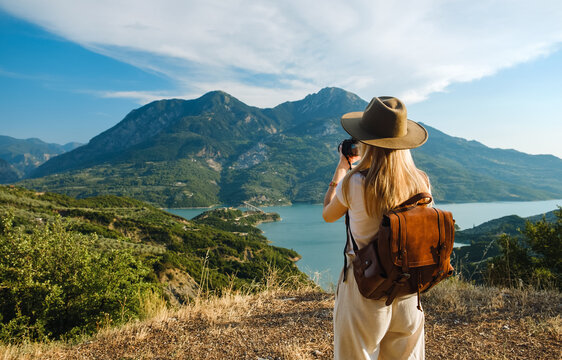
Traveling is one of the most exciting ways to explore the world, but capturing those memories beautifully through photography can take your adventures to a whole new level. Whether you’re visiting bustling cities, serene beaches, or rugged mountains, knowing a few key travel photography tips can help beginners capture stunning images that tell a story.
Here’s a comprehensive guide with practical tips to get you started on your journey as a travel photographer.
1. Choose the Right Camera for Your Needs
You don’t need a professional DSLR to take great travel photos. Beginners often feel pressured to buy expensive gear, but the best camera is the one you’re comfortable using. Here are a few options:
- Smartphone Cameras: Modern smartphones have excellent cameras and are very portable. They’re perfect for spontaneous shots.
- Mirrorless Cameras: Lightweight and versatile, these cameras offer quality similar to DSLRs without the bulk.
- DSLRs: Ideal for those who want more control over settings like aperture and shutter speed.
Tip: Start simple, and focus more on learning composition and lighting than worrying about equipment.
2. Understand Basic Photography Settings
Even if you’re using a smartphone, understanding basic photography concepts can improve your shots:
- ISO: Controls your camera’s sensitivity to light. Lower ISO is better for daylight, higher ISO for low-light conditions.
- Aperture (f-stop): Affects the depth of field. A low f-stop (like f/2.8) creates a blurred background, while a high f-stop (like f/16) keeps more of the scene in focus.
- Shutter Speed: Determines how long your camera’s sensor is exposed to light. Fast speeds capture motion sharply, while slow speeds can create artistic blur.
Tip: Don’t get overwhelmed—start by experimenting with one or two settings at a time.
3. Focus on Composition
Composition is the arrangement of elements in your frame. A well-composed photo looks intentional and visually appealing. Beginners can use these simple rules:
- Rule of Thirds: Imagine dividing your frame into nine equal sections. Place your subject along the lines or at intersections for a balanced shot.
- Leading Lines: Use roads, rivers, or fences to draw the viewer’s eye toward the main subject.
- Framing: Look for natural frames like windows, arches, or tree branches to highlight your subject.
- Simplicity: Avoid cluttered backgrounds that distract from your subject.
Tip: Take multiple shots from different angles—you might find a more interesting composition than your first attempt.
4. Capture Authentic Moments
Travel photography is not just about landmarks—it’s about capturing the feeling of a place. Look for:
- Local people engaged in daily activities (with permission).
- Unique cultural events, markets, or festivals.
- Quiet moments like a sunrise over a village or a lone boat on a lake.
Tip: Be patient. Sometimes the best shots happen when you wait and observe rather than rushing.
5. Use Natural Light to Your Advantage
Lighting can make or break a photo. Beginners often struggle with artificial lighting, but natural light is your best friend.
- Golden Hour: Early morning and late afternoon provide soft, warm light that’s perfect for landscapes and portraits.
- Overcast Days: Clouds diffuse sunlight, reducing harsh shadows. Ideal for street and portrait photography.
- Avoid Midday Sun: The harsh light can create strong shadows and overexposed areas.
Tip: Experiment with backlighting and silhouettes to create dramatic effects.
6. Keep Your Shots Steady
Blurry photos can ruin a perfect moment. Here’s how to keep your camera steady:
- Use both hands to hold your camera or smartphone.
- Lean against a wall or stabilize on a solid surface.
- Use a tripod if possible, especially for low-light or long-exposure shots.
Tip: Even small adjustments in posture can dramatically improve image sharpness.
7. Experiment with Angles and Perspectives
A unique perspective can transform an ordinary scene into a stunning photo. Try:
- Shooting from a low angle to make objects look bigger.
- Capturing reflections in water or mirrors.
- Using drone photography (if allowed) for breathtaking aerial shots.
Tip: Don’t be afraid to move around your subject and try multiple viewpoints.
8. Learn to Edit Your Photos
Editing is not cheating—it’s enhancing your story. Beginners can start with simple tools:
- Smartphone Apps: Snapseed, Lightroom Mobile, or VSCO.
- Basic Adjustments: Crop, straighten, adjust brightness, contrast, and saturation.
- Filters: Use sparingly to maintain natural colors.
Tip: Editing should enhance your photo, not completely change it. Keep your style consistent.
9. Research Your Destination
Knowing your destination helps you anticipate great photo opportunities.
- Check for famous viewpoints or hidden gems.
- Research local customs and festivals for cultural shots.
- Learn the best times to visit landmarks to avoid crowds.
Tip: Talk to locals—they often suggest unique spots not found in travel guides.
10. Respect People and Places
Ethical travel photography matters. Always be polite and considerate:
- Ask permission before photographing people.
- Respect private property and sacred sites.
- Avoid disruptive behavior just for a shot.
Tip: Genuine interactions often lead to more authentic and memorable photos.
11. Practice Regularly
Like any skill, photography improves with practice. Take photos every day, experiment with different techniques, and review your work. Over time, you’ll notice your composition, timing, and creativity improving.
5 FAQs About Travel Photography for Beginners
1. Do I need an expensive camera to take great travel photos?
No. Many beginners capture stunning images using smartphones. Understanding composition, lighting, and perspective is more important than having expensive gear.
2. How can I take good photos in crowded tourist areas?
Try visiting early in the morning or late in the evening when crowds are smaller. Look for unique angles and details instead of wide shots.
3. Should I focus on landmarks or people while traveling?
Both are important. Landmarks show where you’ve been, while people capture the culture and emotion of a place. Balancing the two makes your photos more engaging.
4. How do I take photos in low-light conditions without a tripod?
Increase your camera’s ISO, use a wider aperture, and stabilize your camera on a solid surface like a wall or table. Avoid shaky hands for sharper images.
5. Can I edit photos on my phone, or do I need a computer?
Smartphone apps like Lightroom Mobile, Snapseed, and VSCO are powerful enough for beginners. Computer editing can offer more advanced tools, but mobile editing is sufficient for most travel photography.
Conclusion
Travel photography is a wonderful way to capture memories and tell stories about the places you visit. As a beginner, focus on understanding light, composition, and authentic moments rather than obsessing over expensive gear. Experiment, be patient, and most importantly, enjoy the process. With practice and curiosity, you’ll soon have a collection of travel photos that are not only beautiful but meaningful.