
Navigating the Challenges of Dementia in the Workplace
January 16, 2026
Beyond the Nuclear Era: Reimagining the Home for Shared Living
January 21, 2026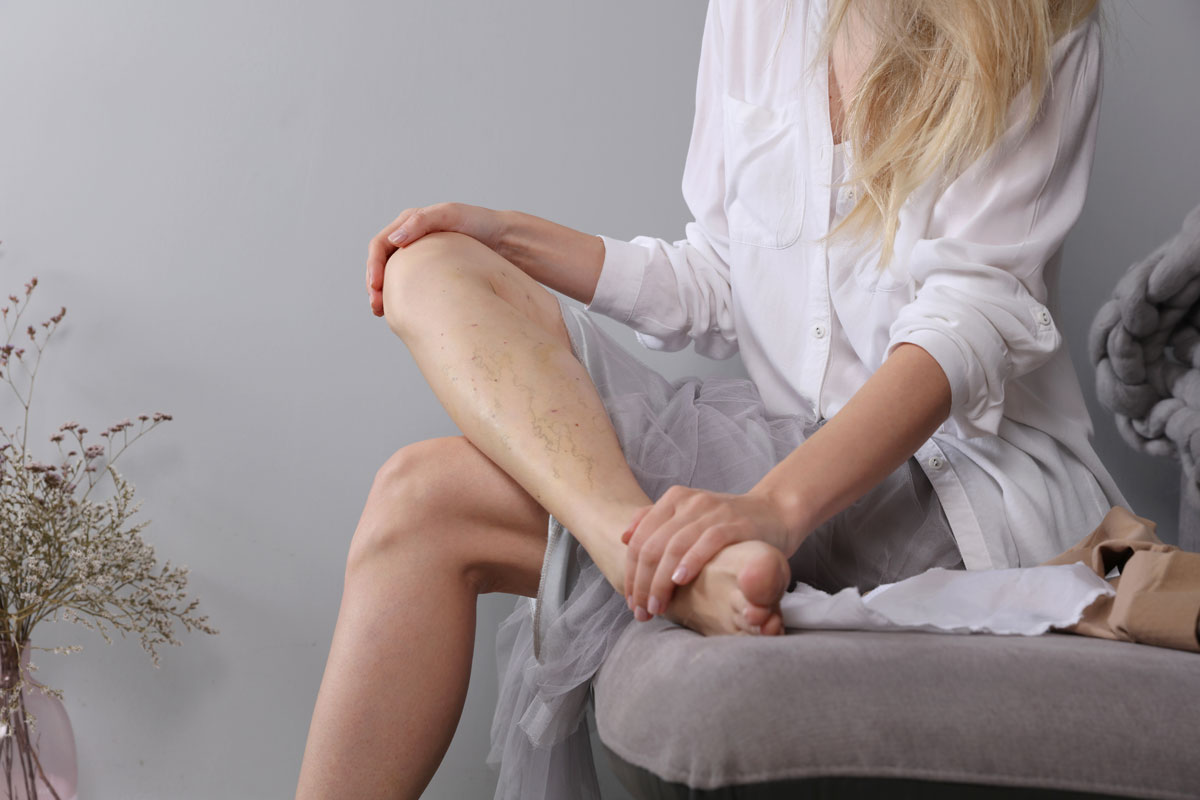
Spider veins are small, damaged veins that appear on the surface of the legs or face. They are usually not painful or harmful, but some people may wish to treat them for cosmetic reasons. Although they are common, there are several effective ways to manage their appearance and prevent new ones from forming. You can treat spider veins, and you do not have to live with them permanently.
Home Management of Spider Veins
Making simple changes to your daily routine can significantly support your vein health and improve overall circulation. Regular movement, elevating your legs, and using compression garments help reduce vein strain and improve blood flow to your heart. These home management strategies may not eliminate existing spider veins, but they often help prevent current veins from worsening or new ones from appearing. Incorporating these habits into your life can also alleviate mild discomfort linked with prolonged standing or sitting. Consistency is the key to seeing gradual improvements, as practicing these techniques regularly reinforces their positive effects on your vein health over time.
Consider incorporating these habits into your lifestyle:
- Wear compression stockings: These specialized socks apply gentle pressure to your legs to help move blood back up toward your heart. They are widely available at pharmacies and can effectively reduce swelling.
- Elevate your legs: Propping your legs on a pillow while resting reduces pressure on your veins. Try to keep your feet above your heart level for 15 minutes a day.
- Stay active: Low-impact exercises like walking or swimming encourage healthy blood flow in your calves. Avoid sitting or standing for long periods without taking a break to move around.
- Protect your skin: Sun exposure can weaken it and make veins on the face more visible. Apply sunscreen when you go outside to protect delicate blood vessels.
Professional Treatment
If home care isn’t enough, medical treatments can more directly address spider veins. Consulting with a vein specialist allows you to explore procedures designed to safely reduce or remove the appearance of these veins. Most medical treatments, such as sclerotherapy, laser therapy, and endovenous laser ablation, are minimally invasive. They usually do not require surgery, and they are performed in an outpatient setting. Patients can often return to their daily activities soon after treatment, with only minor restrictions recommended during the short recovery period. Besides improving the appearance of your skin, these procedures offer a low risk of complications and are tailored to your specific needs and health considerations.
Professional options include:
- Sclerotherapy: This is the most common treatment for spider veins on the legs. A doctor injects a solution directly into the vein, causing it to collapse and eventually fade away.
- Laser therapy: This method uses strong bursts of light to treat veins without using needles. It works best for smaller veins on the face or those too small for injections.
- Endovenous laser ablation: This procedure is used for slightly larger veins that feed into spider veins. A small laser fiber is inserted into the vein to close it off from the inside.
Contact a Specialist Today
Managing spider veins is a personal decision, and various treatments are available if desired. If you are unsure which option is right for you, scheduling a consultation is a first step. A qualified specialist can assess your condition and create a plan tailored to your needs. Taking action now can help you manage your symptoms and improve the appearance of your skin.