
Best Entertainment Apps for Your Phone: A Complete Guide
December 5, 2025
Home Organization Hacks That Work: Transform Your Space Effortlessly
December 5, 2025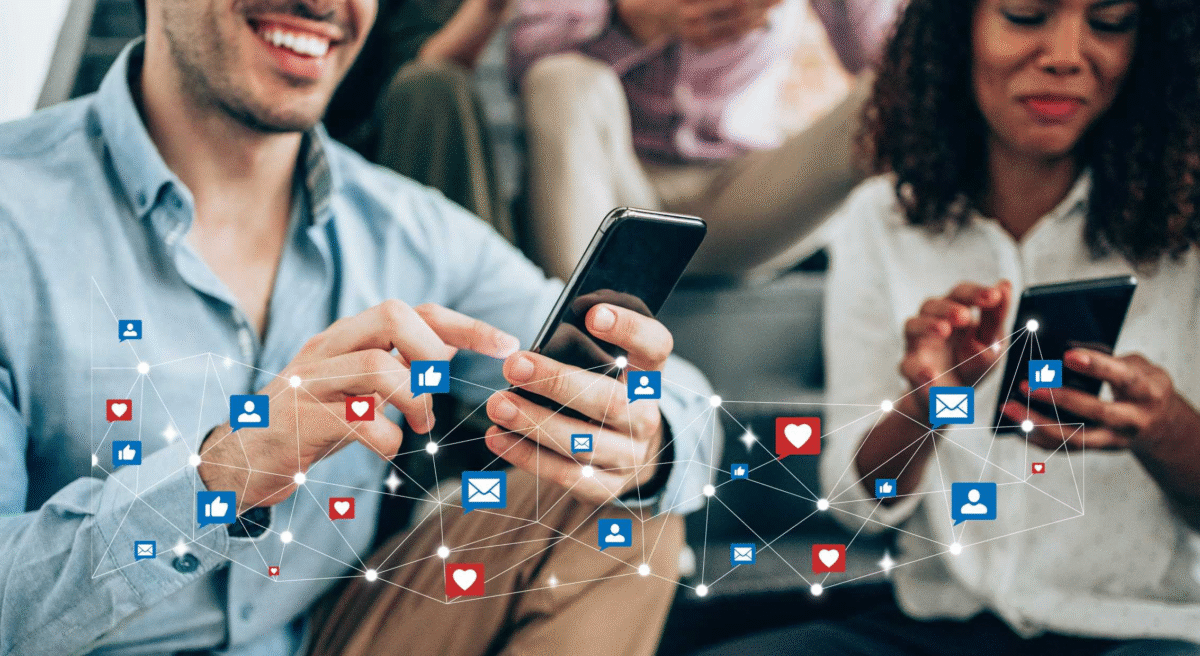
In the past, entertainment was something people experienced passively. You turned on the TV, listened to the radio, or went to the cinema to enjoy your favorite movies, shows, or music. The audience had little control over what was available or when it could be consumed. However, the rise of social media has completely transformed the entertainment landscape. Platforms like YouTube, TikTok, Instagram, and Twitter have changed not just how we access entertainment but also how it is created, shared, and consumed.
In this article, we will explore the many ways social media has revolutionized entertainment and why it has become such an influential part of our daily lives.
1. Instant Access to Content
One of the most significant changes social media brought to entertainment is instant access. Unlike traditional TV or movie releases, social media allows creators to share content instantly with a global audience. A new music video, short film, or viral clip can reach millions of viewers within hours.
For example, TikTok trends can explode overnight, with songs or challenges becoming worldwide phenomena in a matter of days. Similarly, YouTube creators can upload videos and immediately receive feedback, likes, and shares from their audience. This instant access has changed the way people consume entertainment, making it more immediate and interactive.
2. Rise of Influencers and Content Creators
Before social media, entertainers often needed approval from studios, production houses, or record labels to reach their audience. Today, social media has democratized entertainment, allowing anyone with talent, creativity, or a unique idea to become a content creator.
Influencers and social media stars have emerged as major entertainers. Platforms like Instagram, TikTok, and YouTube have created new careers, allowing ordinary people to share their skills, humor, or opinions and earn a living. From makeup tutorials to comedy sketches, travel vlogs, and dance challenges, social media influencers are reshaping entertainment industries and challenging traditional celebrities.
3. Interactive and Engaging Entertainment
Social media has transformed entertainment from a passive activity into an interactive experience. Viewers no longer just watch; they comment, like, share, and even participate. Platforms allow audiences to engage directly with their favorite creators, giving feedback and influencing future content.
Live streaming is a perfect example of this change. On Instagram Live, Twitch, or YouTube Live, viewers can interact in real-time with entertainers. Musicians perform live for fans online, gamers engage with their audience while playing, and influencers answer questions during live sessions. This interactivity has made entertainment more personal, immersive, and enjoyable.
4. Short-Form Content Revolution
Traditional entertainment often involved long-form content, such as movies, TV series, or full-length albums. Social media, however, has popularized short-form content, which is quick, engaging, and easily shareable.
TikTok videos, Instagram Reels, and Snapchat Stories are examples of how short clips can captivate audiences in seconds. This shift has not only changed how content is created but also how attention spans are shaped. People now enjoy bite-sized entertainment that is convenient to consume during short breaks or commutes, making entertainment more accessible than ever.
5. Viral Trends and Memes
Social media has also introduced the concept of viral trends and memes, which have become a core part of modern entertainment. A catchy song snippet, a funny video, or a creative challenge can spread rapidly across platforms, engaging millions of users worldwide.
These trends can launch careers, boost sales, or influence popular culture in ways traditional media could not. For instance, a song that goes viral on TikTok often climbs music charts, and a funny meme can be shared across millions of users in a matter of hours. Entertainment has become more participatory, with audiences actively shaping what is popular.
6. Diversity and Representation
Social media has opened the door for more diverse voices and perspectives in entertainment. People from different backgrounds, cultures, and lifestyles can share their stories without waiting for approval from mainstream media outlets.
This democratization has brought fresh content to global audiences. Creators from underrepresented communities can gain visibility, connect with fans, and influence pop culture in ways that were previously limited. Today, entertainment is more inclusive and representative of the real world, making it richer and more relatable.
7. Direct Connection Between Creators and Fans
Another major change social media brought is the direct connection between creators and fans. Fans can now communicate with entertainers, support them through donations or subscriptions, and feel part of a creator’s journey.
Platforms like Patreon, YouTube Memberships, and Twitch subscriptions allow audiences to financially support creators directly. This shift has reduced the influence of traditional middlemen like production companies and record labels, giving creators more control over their careers and audiences more influence over the content they enjoy.
8. Entertainment as a Marketing Tool
Social media has also blurred the lines between entertainment and marketing. Brands collaborate with influencers, create viral challenges, and use engaging content to capture attention.
For instance, a funny or emotional Instagram Reel can go viral while subtly promoting a product or service. Entertainment now drives marketing campaigns, and vice versa, making content more dynamic and integrated into our daily online experiences.
9. Globalization of Entertainment
With social media, entertainment is no longer limited by geography. A creator in India can reach fans in the United States, Brazil, or Japan within minutes. This global reach has transformed the entertainment industry, allowing cross-cultural influences and collaborations.
Music, comedy, dance, and storytelling have become more globalized, blending different cultures and trends. This interconnectedness has broadened audiences’ tastes and created a truly global entertainment culture.
10. Challenges and Criticisms
While social media has revolutionized entertainment, it also comes with challenges. The pressure to create viral content can affect creators’ mental health. Misinformation, cyberbullying, and inappropriate content are also concerns.
Moreover, the fast-paced nature of social media can sometimes prioritize quantity over quality, leading to oversaturation. Despite these challenges, social media continues to be a powerful force in shaping the future of entertainment.
Conclusion
Social media has fundamentally changed entertainment, making it more accessible, interactive, diverse, and global. It has empowered creators, connected fans directly with entertainers, and introduced new formats like short-form videos and live streaming. While there are challenges, the positive impact of social media on entertainment is undeniable. It has given audiences more choice, more engagement, and more fun, reshaping how we enjoy content every day.
Entertainment is no longer just about watching; it’s about participating, sharing, and connecting. Social media has made us all part of the story.
Frequently Asked Questions (FAQs)
1. How has social media changed traditional TV and movie industries?
Social media has made it possible for audiences to discover content online before traditional releases. Streaming services and online promotions now heavily rely on social media buzz to attract viewers.
2. Can anyone become an entertainer through social media?
Yes, social media has democratized entertainment. Anyone with creativity and consistency can reach audiences, regardless of professional training or studio backing.
3. Why are short-form videos so popular?
Short-form videos are easy to watch, quick to share, and entertaining in small doses. They fit modern lifestyles and short attention spans, making them highly engaging.
4. How do viral trends impact the entertainment industry?
Viral trends can launch careers, influence music charts, and shape pop culture. They give audiences a participatory role in determining what content becomes popular.
5. What are the challenges of entertainment on social media?
Challenges include mental health pressure on creators, cyberbullying, misinformation, and oversaturation of content. Quality can sometimes be sacrificed for quantity.