
What Is a Turtle for Men and How Should Men Wear It?
September 6, 2026
What Are Womens Wide Leg Pants and How Should You Wear Them?
September 7, 2026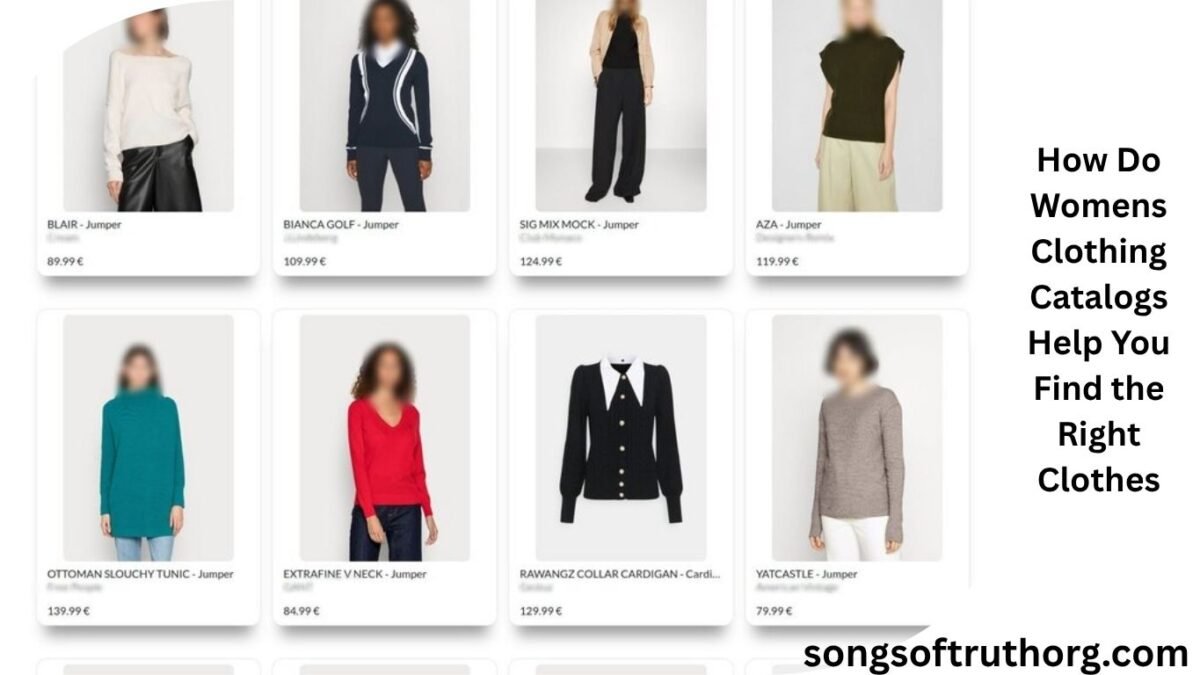
Women’s clothing catalogs have been part of American shopping culture for generations. While printed catalogs are less common than they once were, the idea behind them remains very popular. Today, women’s clothing catalogs can appear as printed mailers, online catalogs, digital lookbooks, shopping websites, mobile apps, email collections, and seasonal fashion guides.
For many shoppers, a catalog offers an easier way to discover clothing than searching through thousands of individual products. A well-organized catalog can group dresses, tops, jeans, pants, sweaters, jackets, shoes, accessories, and seasonal styles in one place. It can also help shoppers compare colors, sizes, prices, materials, and outfit ideas before making a purchase.
The modern meaning of women’s clothing catalogs is therefore broader than a printed booklet delivered to a mailbox. A digital catalog can provide the same browsing experience while adding useful features such as filters, customer reviews, size guides, product videos, personalized recommendations, and real-time inventory information.
This guide explains what women’s clothing catalogs are, how they have changed, how to use them effectively, what categories they usually include, how to evaluate quality and fit, and what shoppers should know about privacy, returns, pricing, and online shopping safety.
What Are Women’s Clothing Catalogs?
Women’s clothing catalogs are organized collections of women’s apparel and fashion products presented for browsing and shopping. They may be printed publications or digital collections available through websites, apps, emails, or other online platforms.
A traditional catalog usually includes product photographs, descriptions, prices, available colors, sizes, and ordering information. Modern online catalogs may contain much more information, including reviews, measurements, fabric details, shipping estimates, and recommendations for related products.
The basic purpose is simple: help shoppers discover and compare clothing without needing to search for every item separately.
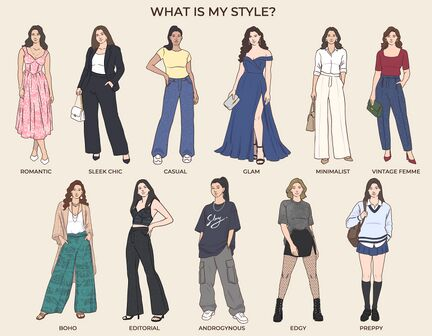
Women’s clothing catalogs may include:
- Dresses
- Blouses and shirts
- T-shirts
- Sweaters
- Cardigans
- Jeans
- Trousers
- Leggings
- Skirts
- Shorts
- Coats
- Jackets
- Activewear
- Sleepwear
- Work clothing
- Occasion wear
- Shoes
- Handbags
- Jewelry
- Scarves
- Belts
- Seasonal clothing
- Accessories
Some catalogs focus on one type of customer or style, while others offer a broad selection.
Why Do People Search for Women’s Clothing Catalogs?
The search phrase “womens clothing catalogs” can represent several different shopping intentions.
Some people want to find catalogs from familiar clothing retailers. Others may be looking for affordable fashion, classic clothing, plus-size options, petite clothing, mature women’s fashion, workwear, or seasonal collections.
A shopper may also be interested in catalogs because browsing feels easier than visiting a physical store.
Common search intentions include:
- Finding online women’s clothing catalogs
- Finding traditional mail-order catalogs
- Discovering new clothing brands
- Comparing women’s fashion collections
- Finding affordable clothing
- Finding specific sizes
- Looking for seasonal fashion
- Finding classic or timeless styles
- Comparing prices
- Finding clothing for a particular occasion
Understanding this search intent is important because there is no single “best” catalog for every shopper. The right choice depends on budget, personal style, size requirements, quality expectations, and shopping preferences.
How Have Women’s Clothing Catalogs Changed?
The history of women’s clothing catalogs is closely connected to the development of mail-order shopping in the United States.
Printed catalogs allowed people to browse clothing without visiting a store. This was particularly useful for customers who lived far from major shopping centers.
Over time, catalogs became an important part of retail marketing. Large publications could show hundreds or even thousands of products. Customers could select products, complete an order form, and receive purchases through the mail.
The internet changed this model dramatically.
Instead of waiting for a printed catalog, shoppers could browse clothing online at any time. Digital catalogs could also be updated much faster. A retailer could change prices, remove sold-out items, introduce new products, and display current inventory without printing a new publication.
Today’s women’s clothing catalogs often combine the visual browsing experience of traditional catalogs with the convenience of e-commerce.
Printed Women’s Clothing Catalogs vs. Online Catalogs
Both formats have advantages.
Printed Clothing Catalogs
Printed catalogs provide a relaxed browsing experience. Some people enjoy turning pages and looking at complete outfits without distractions from pop-ups, advertisements, or notifications.
Printed catalogs can also be useful for shoppers who prefer physical references.
However, printed catalogs have limitations. Prices may change after printing, products can sell out, and new styles cannot be added until another edition is produced.
Online Clothing Catalogs
Online catalogs are much more flexible.
They can provide:
- Current prices
- Live product availability
- Customer reviews
- Size charts
- Multiple photographs
- Zoomable images
- Product videos
- Search filters
- Personalized recommendations
- Digital wish lists
- Shopping carts
- Online checkout
For most modern shoppers, online catalogs are the easiest way to explore a large fashion collection.
Also Read: What Is a Turtle for Men and How Should Men Wear It?
What Should You Look for in Women’s Clothing Catalogs?
Not every catalog provides the same shopping experience. A good catalog should make it easy to understand what you are buying before you place an order.
Important features include accurate product descriptions, clear photographs, useful size information, transparent pricing, and reasonable return policies.
Clear Product Photos
Good product photography should show clothing from multiple angles.
Look for photographs that show:
- Front view
- Back view
- Side view
- Fabric texture when possible
- Details such as buttons and zippers
- Different colors
- Clothing worn by models of different body types when available
Remember that studio lighting can make colors appear slightly different from real life.
Accurate Clothing Descriptions
A useful product description should explain the material, construction, fit, and basic care instructions.
For example, a description might identify whether a garment is:
- Cotton
- Linen
- Wool
- Polyester
- Rayon
- Denim
- Nylon
- Spandex or elastane
- A fabric blend
The description should also explain whether the garment is loose, fitted, relaxed, oversized, straight, or another cut.
Size Charts
A size label such as “medium” is not a universal measurement.
A medium from one retailer can fit differently from a medium from another.
The best catalogs provide measurements such as:
- Bust
- Waist
- Hip
- Inseam
- Shoulder width
- Sleeve length
- Garment length
Using measurements rather than relying only on the size label can greatly reduce returns.
How to Use Women’s Clothing Catalogs More Effectively
Browsing a catalog can be enjoyable, but it can also encourage impulse purchases.
A better approach is to shop with a plan.
Start by deciding what you actually need. If you need work clothes, focus on workwear rather than browsing every category.
Then establish a budget.
After that, compare several products instead of immediately purchasing the first item that looks attractive.
A useful comparison should consider:
- Price
- Material
- Fit
- Construction
- Customer reviews
- Return policy
- Shipping cost
- Expected frequency of use
- Care requirements
An inexpensive garment that is worn once may provide less value than a slightly more expensive garment that remains useful for several years.
Women’s Clothing Catalogs by Clothing Category
Catalogs are usually organized into categories to make browsing easier.
Women’s Dresses
Dresses are among the most common categories in women’s clothing catalogs.
Common styles include:
- Casual dresses
- Shirt dresses
- Wrap dresses
- Maxi dresses
- Midi dresses
- Sweater dresses
- Work dresses
- Occasion dresses
- Summer dresses
- Formal dresses
When comparing dresses, pay attention to length, fabric, lining, neckline, sleeve design, and fit.
Women’s Tops
Tops can include basic T-shirts, blouses, button-down shirts, tunics, tanks, sweaters, and other styles.
When selecting tops, consider whether the fabric stretches and how the garment fits around the shoulders and chest.
Women’s Jeans and Pants
Jeans and pants often have more detailed measurements than other clothing.
Look at:
- Waist measurement
- Hip measurement
- Rise
- Inseam
- Leg shape
- Stretch level
Common descriptions include skinny, straight, bootcut, wide-leg, relaxed, slim, and tapered.
Women’s Sweaters
Sweaters are popular in fall and winter catalogs, although lightweight sweaters can also be useful during spring.
Material is particularly important.
Wool may provide warmth, while cotton can feel lighter and easier to maintain. Synthetic fibers can provide different combinations of durability, softness, stretch, and affordability.
Women’s Jackets and Coats
Outerwear should be evaluated differently from lightweight clothing.
Consider whether you need room for layers underneath. Also check insulation, water resistance, closure type, pocket design, hood construction, and garment length.
Women’s Activewear
Activewear catalogs may include:
- Leggings
- Sports tops
- Training shirts
- Joggers
- Athletic shorts
- Sweatshirts
- Lightweight jackets
For activewear, stretch, moisture management, opacity, comfort, and durability can be more important than appearance alone.
Women’s Clothing Catalogs for Different Body Types
One major advantage of modern online catalogs is the ability to search for clothing based on fit needs.
Shoppers may search for:
- Petite clothing
- Tall women’s clothing
- Plus-size clothing
- Extended sizes
- Curvy-fit clothing
- Relaxed-fit clothing
- Maternity clothing
- Adaptive clothing
These categories can save time, but shoppers should still check individual measurements.
Body shapes and proportions vary significantly. A person may fit one size in the shoulders but require a different size around the hips.
This is why a detailed size chart is more useful than a simple size label.
How to Choose Clothing From a Catalog When You Cannot Try It On
Buying clothing without trying it on requires a little more research.
First, measure yourself using a flexible measuring tape.
Take measurements according to the retailer’s instructions. Then compare your measurements with the specific size chart.
Next, read customer reviews.
Look for comments about:
- True-to-size fit
- Length
- Fabric thickness
- Stretch
- Shrinkage
- Color
- Quality
- Comfort
Pay special attention to repeated patterns. One customer may have an unusual experience, but many similar reviews can reveal useful information.
The Importance of Customer Reviews
Customer reviews are one of the biggest differences between modern digital catalogs and traditional printed catalogs.
A printed catalog could tell shoppers what a retailer claimed about a product. An online catalog can provide feedback from people who actually purchased it.
Reviews can reveal details that product descriptions may not mention.
For example, customers might explain that a sweater feels thinner than expected, a dress runs large, or a particular fabric wrinkles easily.
However, reviews should not be treated as perfect evidence.
Look for reviews that provide specific information instead of simply saying that an item is “great” or “bad.”
Photos submitted by customers can also provide useful information about how a product looks outside professional studio photography.
How to Compare Prices in Women’s Clothing Catalogs
The displayed price is not always the final cost.
When comparing products, consider:
- Item price
- Shipping
- Sales tax
- Membership fees
- Return shipping
- Duties or other charges when applicable
- Promotional conditions
A product advertised at a very low price may not be the cheapest option after all costs are considered.
It is also useful to compare the price with the expected number of times you will wear the item.
For example, a $100 jacket worn regularly for several seasons may offer better value than a $40 jacket that quickly loses its shape.
Sales, Discounts, and Promotional Pricing
Women’s clothing catalogs frequently use seasonal sales, discount codes, clearance pricing, and limited-time promotions.
Shoppers should understand the terms before purchasing.
A discount may require a minimum order. Another promotion may exclude certain brands or categories.
Some retailers also use a “compare at” price or similar reference pricing. Consumers should not assume that every displayed comparison represents the actual price previously paid by most customers.
The best shopping decision is based on the final price, product quality, and usefulness rather than the size of the advertised discount.
Seasonal Women’s Clothing Catalogs
Fashion catalogs often change according to the season.
Spring
Spring catalogs commonly feature:
- Lightweight jackets
- Cardigans
- Dresses
- Blouses
- Light sweaters
- Transitional footwear
Summer
Summer collections often focus on:
- Shorts
- Lightweight dresses
- T-shirts
- Linen clothing
- Sandals
- Swim-related apparel
- Breathable fabrics
Fall
Fall catalogs may emphasize:
- Sweaters
- Jeans
- Boots
- Jackets
- Layering pieces
- Coats
Winter
Winter collections usually include:
- Heavy coats
- Warm sweaters
- Boots
- Scarves
- Gloves
- Cold-weather accessories
- Layering clothing
Seasonal shopping can be useful, but shoppers should consider whether they will actually wear the item before purchasing it.
Classic vs. Trend-Based Women’s Clothing
A catalog can contain both timeless and trend-driven products.
Classic clothing often includes simple pieces such as:
- Plain sweaters
- Neutral trousers
- Basic shirts
- Denim
- Simple dresses
- Traditional coats
Trend-based clothing changes more quickly.
Neither approach is automatically better.
A practical wardrobe often combines reliable basics with a smaller number of current styles. This can make clothing easier to coordinate and may reduce unnecessary spending.
Also Read: What Are the Best Band T Shirts Ladies? A Complete Guide to Stylish Women’s Band Tees
How Women’s Clothing Catalogs Help With Outfit Planning
One useful feature of modern catalogs is outfit inspiration.
Instead of displaying one product by itself, retailers may show complete looks.
For example, a catalog might combine:
- A blouse
- Trousers
- A cardigan
- Shoes
- A handbag
This can help shoppers understand how separate items work together.
However, shoppers should not feel obligated to purchase every item shown in an outfit.
A better approach is to ask whether the new item works with clothing already in the wardrobe.
Building a Practical Wardrobe With Catalog Shopping
A practical wardrobe does not need hundreds of pieces.
Start with versatile clothing that can be combined in several ways.
For example, a simple wardrobe might include:
- Everyday tops
- Comfortable jeans
- A pair of versatile trousers
- A cardigan
- A jacket
- A casual dress
- Comfortable shoes
- Weather-appropriate outerwear
From there, personal preferences can determine additional purchases.
The goal is not to own as many clothes as possible. The goal is to own clothing that fits, feels comfortable, suits your lifestyle, and gets used.
Fabric Quality and Material Information
Fabric is one of the most important factors in clothing quality.
Natural fibers and synthetic fibers each have different characteristics.
Cotton is commonly valued for comfort and breathability. Linen is lightweight and known for its distinctive texture but can wrinkle easily. Wool can provide warmth. Polyester is widely used because it can be durable and versatile.
Blended fabrics combine different fibers to create particular properties.
The important point is that the fiber name alone does not determine quality. Construction, fabric weight, finishing, stitching, and garment design also matter.
Clothing Care Information
Before purchasing clothing from a catalog, check the care instructions.
Some garments require:
- Machine washing
- Cold washing
- Hand washing
- Air drying
- Dry cleaning
- Special handling
A garment that requires complicated care may not be practical for everyday use.
Care instructions can also influence long-term cost. A garment with easy care may be more convenient than one that requires frequent professional cleaning.
Return Policies Matter
A clear return policy is particularly important when buying clothing online.
Before ordering, check:
- Return window
- Exchange policy
- Refund method
- Return shipping costs
- Final-sale restrictions
- Requirements for tags
- Conditions for worn or washed clothing
Some discounted items may have different return rules.
Reading the policy before buying can prevent unpleasant surprises.
Women’s Clothing Catalogs and Online Shopping Safety
Most online clothing shopping is straightforward, but consumers should still use basic digital safety practices.
Only shop through websites you trust.
Look for accurate business information, clear customer-service details, understandable policies, and secure payment options.
Be cautious about websites that:
- Offer extreme discounts without explanation
- Use suspicious domain names
- Have copied or poor-quality product descriptions
- Provide no clear return policy
- Pressure shoppers with unrealistic countdowns
- Request unnecessary personal information
- Have inconsistent company information
A professional-looking website is not automatically proof that a retailer is legitimate.
Privacy and Women’s Clothing Catalogs
Shopping websites may collect information such as names, email addresses, shipping information, purchase history, and browsing activity.
Consumers should understand what information a retailer collects and how it may be used.
Useful privacy habits include:
- Reading privacy policies
- Using strong passwords
- Avoiding password reuse
- Reviewing marketing preferences
- Being careful with saved payment information
- Avoiding suspicious email links
If a retailer allows customers to manage communication preferences, shoppers can often reduce unwanted promotional emails.
How to Avoid Impulse Shopping
Catalogs are designed to make products attractive. Beautiful photography and carefully arranged collections can encourage people to buy things they did not originally need.
One simple strategy is the waiting rule.
If an item is not necessary, place it on a wish list and wait before purchasing.
Ask:
- Do I need this?
- Do I already own something similar?
- Can I create several outfits with it?
- Does it fit my budget?
- Will I wear it regularly?
- Is the return policy reasonable?
These questions can turn catalog browsing into more thoughtful shopping.
Women’s Clothing Catalogs and Sustainable Shopping
Clothing consumption has environmental consequences, including resource use, manufacturing impacts, transportation, packaging, and disposal.
Catalog shopping can be more sustainable when consumers focus on buying useful clothing and keeping garments in use longer.
Practical habits include:
- Buying fewer unnecessary items
- Choosing durable construction
- Caring for clothing properly
- Repairing clothing when practical
- Reusing clothing
- Donating usable garments responsibly
- Considering secondhand options
Sustainability does not require buying the most expensive product. Longevity and actual use are often more important.
Are Online Women’s Clothing Catalogs Better Than Printed Catalogs?
Neither format is automatically better.
Printed catalogs can provide a calm browsing experience and may appeal to people who enjoy physical publications.
Online catalogs provide more current information and allow shoppers to search, filter, compare, and purchase quickly.
For product accuracy and convenience, digital catalogs generally have an advantage because information can be updated continuously.
For browsing enjoyment, personal preference matters.
What Makes a Good Women’s Clothing Catalog?
A high-quality clothing catalog should answer important questions before a shopper buys.
It should make it easy to understand:
- What the product is
- What it is made from
- How it fits
- Which sizes are available
- How much it costs
- When it can be delivered
- How it can be returned
- How it should be cared for
Good photography and useful customer reviews add even more value.
The best catalog is not necessarily the one with the largest number of products. A well-organized catalog with accurate information can be more useful than a huge catalog that makes comparison difficult.
Common Mistakes When Shopping From Women’s Clothing Catalogs
Relying Only on Size Labels
A size label can vary significantly between retailers.
Always check measurements.
Ignoring Fabric Information
Two garments can look similar but feel very different because they use different materials.
Looking Only at the Sale Price
Shipping and return costs can change the total cost.
Buying Without Checking the Return Policy
A great-looking item is less attractive if it cannot be returned when the fit is wrong.
Trusting Every Review
Look for detailed and repeated feedback rather than relying on one review.
Buying Too Many Trend Pieces
Trends can change quickly. Balance current styles with versatile wardrobe basics.
Ignoring Care Instructions
A garment that is difficult to maintain may receive less use.
How to Find the Right Women’s Clothing Catalog for Your Needs
The best catalog depends on your personal shopping goals.
If you want affordable everyday clothing, focus on price, durability, and basic wardrobe pieces.
If you need professional clothing, look for workwear categories and versatile designs.
If fit is your main concern, prioritize retailers with detailed measurements and flexible return policies.
If sustainability matters to you, examine fabric information, durability, repair options, and company practices.
Also Read: What Is an A-Line Denim Midi Skirt? A Complete Guide to Style, Fit, and Fabric
If convenience is most important, choose catalogs with strong search tools, clear filters, reliable shipping information, and easy returns.
The Future of Women’s Clothing Catalogs
Women’s clothing catalogs are likely to become increasingly digital and personalized.
Modern shopping technology can recommend products based on previous browsing and purchasing behavior. Digital catalogs can also use more detailed filters, visual search, product videos, virtual fitting tools, and personalized recommendations.
Artificial intelligence may also change how shoppers discover clothing. Instead of browsing every category manually, a shopper may describe the type of outfit they need and receive relevant suggestions.
However, technology does not eliminate the need for good judgment.
Recommendations are based on data and algorithms, but shoppers still need to evaluate fit, quality, price, comfort, and usefulness.
The future of women’s clothing catalogs is therefore likely to combine convenience with more personalized discovery while making product information increasingly important.
Women’s Clothing Catalogs and Consumer Decision-Making
One of the most interesting changes in fashion shopping is the shift from simple product discovery toward information-rich decision-making.
Traditional catalogs primarily answered the question, “What is available?”
Modern catalogs can answer additional questions:
“How does it fit?”
“What do customers think?”
“What materials are used?”
“How should I care for it?”
“When can I receive it?”
“Can I return it?”
This additional information can make online clothing purchases more predictable.
The strongest catalogs are not simply collections of attractive pictures. They are decision-making tools.
How to Get More Value From Women’s Clothing Catalogs
A smart catalog shopper does not need to spend more money to get better results.
Instead, focus on information quality.
Compare measurements. Read reviews. Check materials. Review the return policy. Think about how the item will work with existing clothes.
It is also useful to keep a personal list of clothing needs.
For example, instead of browsing whenever you are bored, you might maintain a list such as:
- Replace worn black trousers
- Find a lightweight spring jacket
- Add two casual tops
- Find comfortable everyday shoes
This approach makes catalog shopping more purposeful.
Frequently Asked Questions About Women’s Clothing Catalogs
1. Can women’s clothing catalogs help me create a capsule wardrobe?
Yes. Catalogs can make it easier to identify simple, versatile clothing that works across multiple outfits. Focus on neutral colors, compatible styles, comfortable basics, and pieces that can be worn for more than one occasion.
2. How can I tell if clothing shown in a catalog is likely to be comfortable?
Look for information about fabric composition, stretch, lining, garment construction, and fit. Customer reviews can also provide useful information about softness, weight, tightness, and comfort. However, comfort is personal, so no catalog can guarantee that a particular garment will feel comfortable to every shopper.
3. Should I buy the same size from every women’s clothing catalog?
No. Clothing sizes are not completely standardized across retailers. Always check the specific catalog’s size chart and compare it with your body measurements. This is especially important when purchasing jeans, fitted dresses, jackets, and other structured clothing.
4. Why do some clothing catalogs show the same item in several different outfits?
Showing an item in multiple outfits demonstrates versatility. It can help shoppers see how one garment might work with different pieces. This can be useful when building a practical wardrobe because one versatile item may provide more value than several highly specific pieces.
5. What should I do if clothing purchased from a catalog does not match the product description?
First, review the retailer’s return or exchange policy. Keep the packaging, tags, receipt, and order information when possible. If the product appears materially different from its description or arrives damaged, contact the retailer’s customer-service department and clearly explain the problem. Keeping photographs and order records can also help document the issue.
Conclusion
Women’s clothing catalogs have changed significantly from the traditional printed books that once arrived in American mailboxes. Today, the term includes digital catalogs, online fashion collections, mobile shopping experiences, seasonal lookbooks, and other organized ways to browse women’s clothing.
The basic purpose remains the same: help shoppers discover clothing and make purchasing decisions.
The biggest advantage of modern women’s clothing catalogs is the amount of information available. Shoppers can compare prices, review measurements, examine materials, read customer feedback, check availability, and understand return policies before placing an order.
The smartest approach is to look beyond attractive photographs and discounts. Consider fit, fabric, construction, comfort, durability, total cost, and how often the item will actually be worn. Check measurements rather than relying only on size labels, and understand return policies before completing an order.
Whether you prefer printed publications or online shopping, women’s clothing catalogs can be useful tools when approached thoughtfully. The goal is not simply to find more clothing. It is to find clothing that fits your needs, budget, lifestyle, and personal style while making informed and responsible purchasing decisions.