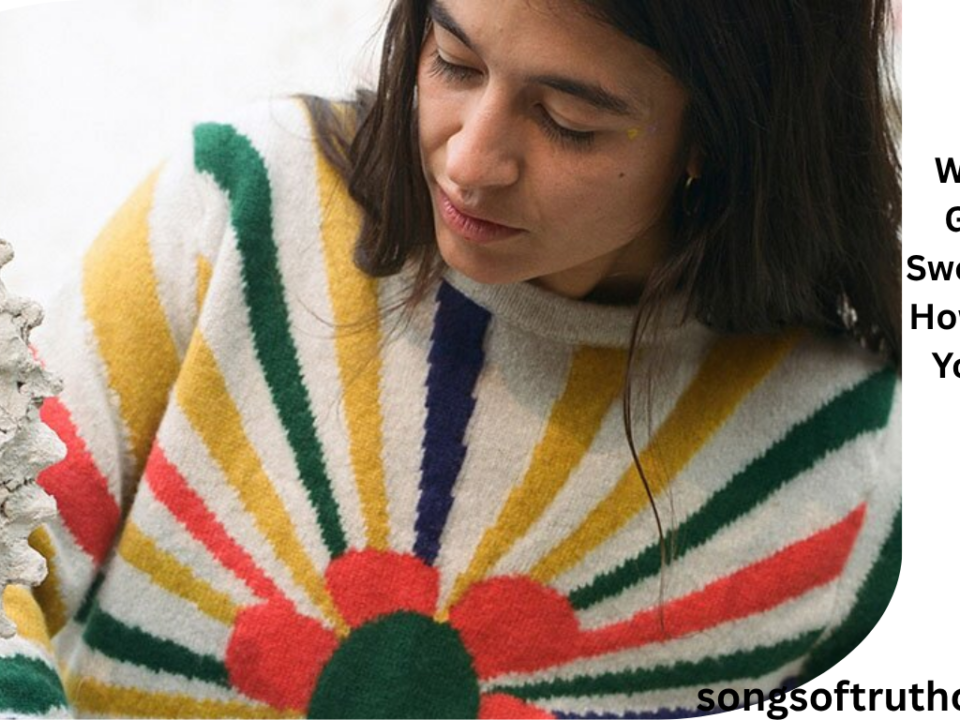
What Is a Mockneck? A Complete Guide to Style, Fit, Materials, and How to Wear It
September 3, 2026
What Is a Women’s Crop Tee? A Complete Guide to Fit, Style, Fabric, and Wear
September 4, 2026
A long sleeve sweater is one of the most useful pieces of clothing in a modern wardrobe. It provides warmth, comfort, and an easy way to create a polished outfit without much effort. From lightweight sweaters for cool summer evenings to thick knit sweaters for winter, there are many styles, fabrics, colors, and fits to choose from.
The popularity of the long sleeve sweater comes from its versatility. You can wear one with jeans for a casual day, pair it with dress pants for work, or layer it over a shirt for a more polished look. It can also be worn under a jacket, coat, vest, or blazer when the weather becomes colder.
Choosing the right sweater, however, is about more than picking a color you like. Fabric, fit, sleeve length, neckline, weight, construction, comfort, and care requirements all affect how useful a sweater will be.
This guide explains everything you need to know about long sleeve sweaters. It covers the different types, materials, fits, styles, seasonal choices, outfit ideas, shopping tips, care instructions, and common mistakes. The goal is to make it easier to choose a sweater that looks good, feels comfortable, and works for your everyday life.
What Is a Long Sleeve Sweater?
A long sleeve sweater is a knitted or woven garment designed to cover the upper body and extend down the arms. The sleeves normally reach the wrists or come close to them.
Long sleeve sweaters are available for men, women, and children. They can have different necklines, including crew neck, V-neck, turtleneck, mock neck, and boat neck designs.
Some sweaters are made from natural fibers such as wool, cotton, cashmere, and alpaca. Others use synthetic materials such as polyester, acrylic, nylon, or blended fabrics.

The best choice depends on the weather, your personal comfort, your budget, and how you plan to wear the sweater.
Also read:What Is a Black Two Piece Set? Complete Guide to Styles, Fits, Fabrics, and How to Wear It
A lightweight cotton long sleeve sweater can work well during spring and cool fall days. A thick wool sweater may be better for cold winter weather. A soft cashmere sweater can provide warmth while creating a more refined appearance.
Why Is a Long Sleeve Sweater So Popular?
The main reason people like long sleeve sweaters is their flexibility.
One sweater can be used in several different outfits. You do not need a large wardrobe to create many looks when you have a few well-chosen sweaters.
A long sleeve sweater can provide:
- Everyday comfort
- Extra warmth
- Easy layering
- A polished appearance
- Seasonal flexibility
- Simple outfit combinations
- Protection from cool temperatures
Another advantage is that sweaters can make an outfit look more complete. A simple pair of jeans and a T-shirt can look casual, while replacing the T-shirt with a well-fitted sweater can create a cleaner and more finished appearance.
This makes the long sleeve sweater useful for people who want clothing that is practical but still stylish.
Types of Long Sleeve Sweaters
There is no single style of long sleeve sweater. Different designs work for different occasions and weather conditions.
Crew Neck Long Sleeve Sweater
The crew neck is one of the most common sweater styles.
It has a rounded neckline that sits close to the base of the neck. This simple design works well with jeans, chinos, skirts, dress pants, and shorts.
A crew neck sweater is especially useful for casual and smart-casual outfits.
It can also be layered over a collared shirt. Allowing the collar to show slightly can create a classic appearance suitable for casual workplaces or social events.
V-Neck Sweater
A V-neck sweater has a neckline that forms a V shape.
This design can make the neck area appear longer and provides space for a shirt collar underneath. For this reason, V-neck sweaters are often used in business-casual outfits.
A V-neck long sleeve sweater can be worn with:
- Oxford shirts
- Button-down shirts
- Polo shirts
- Dress pants
- Chinos
- Dark denim
The depth of the V is important. A shallow V is usually easier to style for everyday wear.
Turtleneck Sweater
A turtleneck sweater has a high neckline that covers the neck.
It is particularly useful in cold weather because it provides additional coverage without requiring a scarf.
A fitted turtleneck can create a clean and sophisticated outfit when worn with trousers, jeans, or a structured coat.
A thicker turtleneck can provide excellent warmth for winter, while a thin knitted turtleneck can be used as a layering piece.
Mock Neck Sweater
A mock neck is similar to a turtleneck but usually has a shorter collar.
It provides some neck coverage without completely surrounding the neck.
This makes it a useful option for people who like the appearance of a high neckline but find traditional turtlenecks uncomfortable.
Cardigan Sweater
A cardigan is an open-front sweater that can usually be worn over another shirt or top.
Long sleeve cardigans are especially useful for layering. You can wear one over a T-shirt, blouse, button-down shirt, or lightweight top.
Cardigans are also easy to remove when temperatures change.
Cable Knit Sweater
Cable knit sweaters have raised patterns that resemble twisted ropes or cables.
They often have a textured and traditional appearance. Cable knit designs can also feel warmer because they are commonly made with thicker yarns.
They work particularly well with casual fall and winter outfits.
Ribbed Sweater
A ribbed sweater has a raised vertical texture.
The texture can provide stretch and help the sweater maintain its shape. Ribbed sweaters are available in both fitted and relaxed designs.
They are often used for simple everyday outfits because they can look attractive without complicated patterns.
Oversized Sweater
An oversized long sleeve sweater has a loose and relaxed shape.
This style is popular for casual outfits because it emphasizes comfort.
However, oversized does not always mean better. A sweater that is too large can look untidy and may make layering difficult.
The best oversized sweater still has intentional proportions.
Best Materials for a Long Sleeve Sweater
The material of a sweater has a major effect on warmth, softness, durability, price, and care.
Understanding common sweater materials can help you make a better purchase.
Cotton
Cotton sweaters are popular because cotton is soft, breathable, and easy to wear.
A cotton long sleeve sweater is often a good choice for spring, fall, cool indoor environments, and mild winter weather.
Cotton generally feels less warm than heavy wool, so it may not be enough for very cold outdoor conditions.
One advantage is that cotton is often easier to care for than delicate animal fibers.
Wool
Wool is one of the most traditional sweater materials.
It provides excellent insulation and can be very warm without requiring an extremely thick garment.
Different types of wool feel different against the skin. Some wool can feel slightly rough, while finer wool can be much softer.
Wool is a strong choice for cold weather and outdoor use.
Merino Wool
Merino wool comes from Merino sheep and is known for its relatively fine fibers.
A Merino wool long sleeve sweater can provide warmth while remaining comfortable and relatively lightweight.
Merino is particularly useful when you want one garment that can work across changing temperatures.
It is often more expensive than basic synthetic or cotton sweaters, but the comfort and performance can make it worthwhile.
Cashmere
Cashmere is valued for its softness and lightweight warmth.
A cashmere long sleeve sweater can feel luxurious without being very heavy.
The main disadvantage is price and care. Cashmere can be more delicate than many other sweater materials.
If you buy cashmere, proper washing and storage are important.
Alpaca
Alpaca fiber is known for warmth and softness.
Alpaca sweaters can have a distinctive texture and can provide excellent insulation in cold weather.
Some people prefer alpaca because it can feel different from traditional wool.
Acrylic
Acrylic is a synthetic fiber often used as a more affordable alternative to wool.
It can be lightweight and warm and is commonly found in budget-friendly sweaters.
Acrylic can be a practical choice when price is important. However, its breathability and long-term feel may differ from natural fibers.
Polyester
Polyester is another common synthetic material.
It is durable and often easy to care for. Polyester may also be blended with cotton, wool, or other fibers.
A polyester blend can provide a balance between comfort, durability, shape retention, and cost.
Blended Fabrics
Many modern sweaters use fabric blends.
For example, a sweater might combine cotton and polyester or wool and synthetic fibers.
Blends are useful because each material can contribute different properties.
When shopping, check the fiber content rather than judging quality only by appearance.
How Should a Long Sleeve Sweater Fit?
Fit is one of the most important factors when buying a sweater.
A sweater should feel comfortable without being excessively tight or excessively loose unless an oversized style is intentional.
The shoulder seam is a useful place to start. On a traditional fitted sweater, the shoulder seam should generally sit close to the natural shoulder.
The sleeves should normally reach the wrist.
The body should provide enough room for comfortable movement and, if you plan to layer, enough space for the clothing underneath.
A sweater that is too tight may pull around the chest, stomach, or arms. A sweater that is too loose may lose its shape and look less polished.
Slim Fit vs Regular Fit vs Relaxed Fit
Different fits serve different purposes.
Slim Fit
A slim-fit long sleeve sweater follows the body more closely.
It can create a clean appearance and work well under jackets or coats.
Slim fit is particularly useful when you want to avoid excessive fabric during layering.
Regular Fit
Regular fit provides more room without looking oversized.
It is often the safest choice for everyday wear because it balances comfort and appearance.
Relaxed Fit
Relaxed sweaters provide additional room through the body and sleeves.
They are useful for casual outfits and people who prioritize comfort.
Relaxed fit is also popular for modern streetwear and cozy fall outfits.
How to Choose the Right Sweater for Your Body Shape
There is no single sweater style that everyone must wear. The goal should be comfort and balanced proportions.
If you prefer a streamlined appearance, a moderate slim or regular fit may work well.
If you prefer more freedom of movement, choose a regular or relaxed fit.
Vertical textures, such as ribbing, can create a visually elongated appearance. Large horizontal patterns can make the upper body look wider.
The most important rule is not to follow fashion advice too strictly. Your comfort, personal style, and confidence matter more than arbitrary clothing rules.
How to Choose a Long Sleeve Sweater for the Season
A sweater’s usefulness depends heavily on its weight and material.
Spring
Spring weather can change quickly.
Lightweight cotton, cotton blends, and fine Merino sweaters are useful during cool mornings and evenings.
Choose breathable fabrics if temperatures are expected to rise during the day.
Summer
A sweater may still be useful during cool summer evenings, especially in air-conditioned buildings.
Lightweight cotton, linen blends, and very fine knits are better choices than heavy wool.
Fall
Fall is one of the best seasons for sweaters.
Medium-weight cotton, wool blends, Merino wool, and textured knits can provide the right balance between warmth and comfort.
Fall also offers many opportunities for layering.
Winter
Cold winter weather calls for more insulation.
Heavy wool, Merino wool, cashmere, alpaca, and thick blended sweaters can provide additional warmth.
For very cold weather, a sweater is usually best used as part of a larger layering system rather than as the only outer garment.
How to Style a Long Sleeve Sweater With Jeans
A long sleeve sweater and jeans are one of the easiest combinations to wear.
For a simple casual outfit, pair a neutral sweater with blue or black jeans.
White, gray, navy, beige, brown, and black sweaters are especially easy to combine with different denim colors.
For a cleaner appearance, choose dark jeans and a well-fitted sweater.
For a relaxed weekend look, try a slightly oversized sweater with straight-leg or relaxed jeans.
Shoes can change the entire outfit. Sneakers create a casual appearance, while boots can make the outfit look more seasonal and polished.
How to Wear a Sweater With Dress Pants
A sweater can also work with dress pants.
This combination is useful when you want something more comfortable than a full suit but more polished than jeans.
A fine-gauge crew neck or V-neck sweater can be worn with tailored pants.
For a business-casual appearance, neutral colors are usually easiest to style.
Navy, charcoal, gray, cream, brown, and dark green can work particularly well.
A collared shirt underneath can add structure to the outfit.
How to Layer a Long Sleeve Sweater
Layering is one of the biggest advantages of a long sleeve sweater.
A simple layering formula is:
Base layer + sweater + outer layer.
For example, you can wear a T-shirt underneath a lightweight sweater and add a jacket on top.
For colder conditions, you might use a thermal base layer, wool sweater, and winter coat.
The key is to avoid excessive bulk.
A thin sweater is easier to layer under a coat than a very thick cable-knit sweater.
Long Sleeve Sweater With a Shirt
Wearing a shirt under a sweater is a classic style.
A button-down shirt can add structure and create a smart-casual appearance.
Crew neck sweaters hide most of the shirt collar, while V-neck sweaters allow more of the collar and shirt front to remain visible.
This outfit works well for offices with relaxed dress codes, dinners, meetings, and other situations where you want to look neat without wearing a suit.
Also read:What Is Crop Shirt Women’s Fashion? Styles, Fits, Fabrics, and Outfit Ideas
How to Choose the Best Sweater Color
Neutral colors are usually the easiest place to start.
Gray, black, navy, cream, beige, brown, and white can work with many different clothes.
If you already own several neutral sweaters, adding a stronger color can make your wardrobe more interesting.
Burgundy, forest green, rust, mustard, and deep blue can create attractive fall and winter outfits.
Think about your existing wardrobe before buying a new color.
A beautiful sweater that does not work with anything you already own may not be a useful purchase.
Are Long Sleeve Sweaters Good for Work?
Yes, a long sleeve sweater can be appropriate for many workplaces.
The correct choice depends on the dress code.
For a business-casual workplace, a clean crew neck, V-neck, or cardigan can work well with dress pants or chinos.
Avoid sweaters that are heavily damaged, stretched, covered in lint, or excessively casual.
In more formal workplaces, a sweater may work best as a layer under a blazer or jacket.
Always consider the environment rather than assuming one style is suitable for every workplace.
Long Sleeve Sweaters for Travel
A sweater can be an excellent travel garment.
It provides warmth on airplanes, during road trips, and in cool airports.
A lightweight sweater is especially useful because it can be carried easily when you do not need it.
Neutral colors are practical for travel because they can be combined with multiple outfits.
Merino wool is also worth considering for travel because it can provide warmth without being extremely bulky.
For long trips, focus on comfort, versatility, and easy care rather than choosing a sweater only because it looks fashionable.
What Makes a Long Sleeve Sweater High Quality?
Price alone does not determine quality.
A good sweater should have consistent stitching, a balanced shape, comfortable fabric, and strong construction.
Look closely at the seams.
The neckline should sit properly and should not look stretched before the sweater has even been worn.
The cuffs should also have enough structure to hold their shape.
Check the fabric for excessive loose fibers, holes, uneven knitting, or weak areas.
A higher price can sometimes reflect better materials, but it is still important to inspect the actual garment.
Common Mistakes When Buying a Sweater
One common mistake is buying based only on appearance.
A sweater may look excellent on a hanger but feel uncomfortable when worn.
Another mistake is ignoring the fiber content.
Two sweaters may look almost identical but behave very differently after washing.
Some people also buy sweaters that are too small because they want a fitted appearance. However, excessive tightness can cause pulling and discomfort.
Another problem is buying too many similar colors.
If your closet already contains five gray sweaters, another gray sweater may add less value than a different color or fabric.
How to Wash a Long Sleeve Sweater
Care depends on the fabric.
Always check the garment’s care label first.
Cotton sweaters may tolerate regular washing, depending on their construction.
Wool and cashmere usually require more careful handling.
When washing delicate sweaters, avoid harsh treatment and excessive heat.
Hot water and high dryer temperatures can cause certain fibers to shrink or change shape.
If the label recommends hand washing, follow that instruction rather than assuming a normal machine cycle is safe.
How to Dry a Sweater Without Damaging It
Drying can be just as important as washing.
Some sweaters should not be placed in a hot dryer.
Heavy wet sweaters can also stretch when hung from a hanger.
For delicate knitwear, laying the sweater flat to dry can help it maintain its shape.
Do not twist or aggressively wring delicate sweaters.
Instead, gently remove excess water and allow the garment to dry according to its care instructions.
How to Prevent Sweater Pilling
Pilling happens when small fiber balls form on the surface of fabric.
It is common with many types of knitwear and does not always mean that a sweater is poorly made.
Friction can contribute to pilling.
Areas around the underarms, sides, and places where bags rub against clothing may show more pilling.
Gentle washing and proper storage can reduce unnecessary friction.
A fabric shaver or sweater comb can also help remove pills when used carefully.
How to Store Long Sleeve Sweaters
Storage matters, especially for sweaters made from delicate materials.
Fold most sweaters rather than hanging them for long periods.
Hangers can create shoulder bumps or cause heavier knitwear to stretch.
Keep sweaters in a clean, dry place.
For seasonal storage, make sure garments are completely dry before putting them away.
Do not pack sweaters into an extremely tight space because excessive pressure can damage their shape.
How Many Long Sleeve Sweaters Should You Own?
There is no perfect number.
A small, practical wardrobe might include three to six sweaters in different weights and colors.
For example, you could have:
- One lightweight neutral sweater
- One medium-weight everyday sweater
- One darker sweater
- One textured or patterned sweater
- One dressier sweater
- One warm winter sweater
The right number depends on your climate, lifestyle, work environment, and laundry habits.
Quality and versatility are generally more useful than owning a very large collection.
Long Sleeve Sweater vs Sweatshirt
A sweater and sweatshirt may look similar, but they are different types of garments.
Sweaters are usually knitted and can be made from wool, cotton, cashmere, acrylic, or blends.
Sweatshirts are usually made from thicker knitted cotton or cotton-blend fleece.
Sweatshirts generally have a more casual appearance.
A sweater can range from casual to highly polished depending on its fabric and design.
If you want something for relaxing, exercise, or casual streetwear, a sweatshirt may be the better choice.
If you want more styling flexibility, a sweater may offer more options.
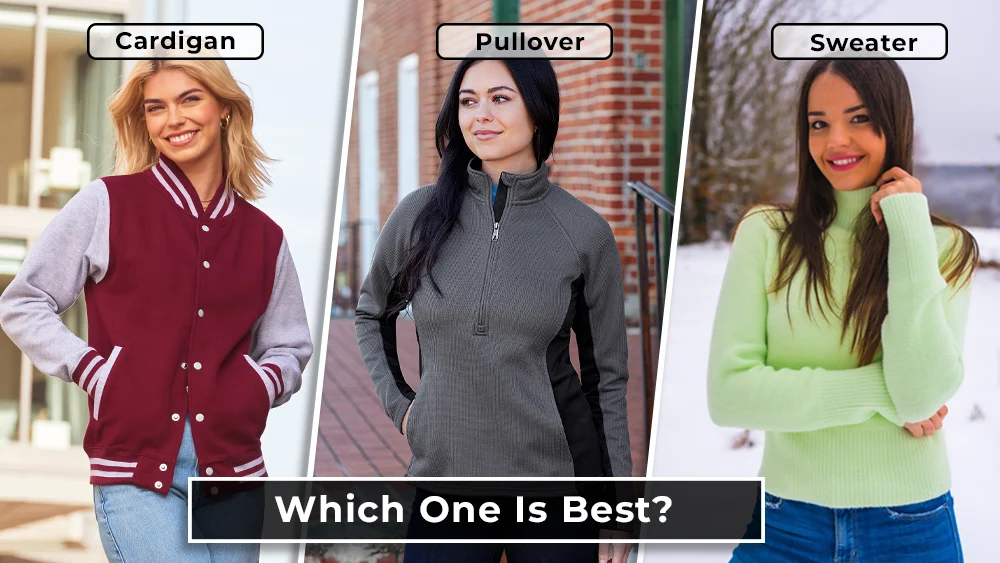
Long Sleeve Sweater vs Cardigan
A traditional long sleeve sweater is normally pulled over the head.
A cardigan opens at the front.
Cardigans are especially useful when you want easy layering or need to remove a layer frequently.
A pullover sweater can create a simpler and more streamlined appearance.
Neither option is universally better. The right choice depends on how you dress and how often you need to adjust your layers.
How Much Should You Spend on a Long Sleeve Sweater?
There is no universal ideal price.
Affordable sweaters can provide excellent value, especially for basic everyday use.
More expensive sweaters may use premium fibers or more careful construction.
Instead of asking only, “How much does this sweater cost?” consider asking:
Will I wear it often?
Does the fabric feel comfortable?
Does it fit properly?
Is it easy to care for?
Will it work with several outfits?
Will it hold its shape?
A sweater that costs more but is worn for years can provide better value than a cheaper sweater that quickly loses its shape.
Sustainable Choices When Buying Sweaters
Buying fewer, better-used garments can be a practical approach to reducing clothing waste.
Before purchasing another sweater, look at what you already own.
You may already have a similar item.
Choose pieces that can work with several outfits rather than clothing that only matches one specific look.
Caring for your sweater properly can also extend its life.
Repairing small problems, removing pills, and following washing instructions can help keep clothing wearable for longer.
When shopping, consider fabric composition, durability, and how often you realistically expect to wear the garment.
How to Build a Simple Sweater Wardrobe
A practical sweater wardrobe does not need to be complicated.
Start with neutral colors.
A gray, navy, black, beige, or cream long sleeve sweater can provide a strong foundation.
Next, add different weights.
A lightweight sweater gives you flexibility during mild weather, while a heavier sweater provides warmth in winter.
Then consider adding one or two distinctive pieces.
A textured knit, patterned sweater, or seasonal color can add variety without making the wardrobe difficult to manage.
The goal should be flexibility.
Each sweater should work with several other items you already own.
Best Long Sleeve Sweater for Everyday Wear
For everyday use, a regular-fit sweater made from a comfortable and reasonably durable fabric is often the most practical choice.
Also read:What Is a V Neck Cardigan? Styles, Outfit Ideas, Fit, Materials, and Buying Guide
Cotton blends, Merino wool, and other easy-to-wear materials can work well.
Choose a neutral color if you want maximum versatility.
The ideal everyday sweater should be comfortable enough for several hours of wear and attractive enough for casual social situations.
It should also be relatively easy to clean and maintain.
Best Long Sleeve Sweater for Cold Weather
For cold weather, focus on insulation.
Wool, Merino wool, alpaca, and cashmere can provide strong warmth-to-weight performance.
The thickness of the knit also matters.
A thin sweater may be excellent for layering, while a thick sweater can work as a warmer standalone layer.
Remember that the warmest sweater is not always the best option. If you are going to wear it under a coat, a thinner sweater may actually be more useful because it avoids excessive bulk.
Best Long Sleeve Sweater for Layering
A lightweight sweater with a smooth surface is usually easiest to layer.
Avoid extremely bulky knits if you plan to wear a jacket or coat over them.
Fine-gauge Merino wool, cotton, and lightweight blends can work especially well.
The sleeve should also fit comfortably under your outer layer without creating excessive bunching.
Good layering is about combining warmth without restricting movement.
Long Sleeve Sweater Outfit Ideas for Men
Men can use long sleeve sweaters in many simple outfits.
For a casual look, pair a crew neck sweater with jeans and sneakers.
For a smart-casual look, try a navy sweater with chinos and leather or minimalist sneakers.
For a workplace outfit, wear a V-neck sweater over a button-down shirt with dress pants.
For winter, combine a Merino or wool sweater with dark jeans, boots, and a structured coat.
For travel, a neutral sweater with comfortable trousers and clean sneakers creates a practical outfit.
Long Sleeve Sweater Outfit Ideas for Women
Women can style long sleeve sweaters in equally flexible ways.
A fitted sweater can be paired with high-waisted jeans and ankle boots.
An oversized sweater can work with straight-leg jeans for a relaxed appearance.
A lightweight sweater can be worn with a skirt and boots during fall.
A cardigan can be layered over a blouse or simple top.
A fitted turtleneck can be paired with tailored pants and a long coat for a polished winter outfit.
Accessories can also change the appearance of a basic sweater. A scarf, belt, handbag, necklace, or statement shoes can create a different look without changing the sweater.
How to Make a Basic Sweater Look More Stylish
You do not need expensive clothing to create a good outfit.
Start with fit.
A properly fitting sweater often looks better than a more expensive sweater that fits poorly.
Then pay attention to proportions.
If the sweater is oversized, fitted or straight-leg pants can create balance. If the sweater is fitted, relaxed pants can create a more modern silhouette.
Layering can also add interest.
Try a collared shirt underneath or a jacket over the sweater.
Finally, keep the garment in good condition. Clean cuffs, a neat neckline, and a smooth appearance can make a major difference.
What to Look for When Shopping Online
Shopping for sweaters online requires extra attention because you cannot physically touch the fabric or try it on before ordering.
Read the material information carefully.
Look at the size chart rather than relying only on your normal size.
Check product measurements when available.
Customer reviews can sometimes provide useful information about fit, softness, thickness, and whether the garment changes after washing.
Also check the return policy before purchasing.
A sweater can look perfect in a product photograph but fit differently than expected.
Why Sweater Measurements Matter
Clothing sizes are not perfectly consistent between brands.
A medium in one brand may fit like a small or large in another.
Measurements can help you make a better decision.
Important measurements may include:
- Chest
- Shoulder width
- Sleeve length
- Body length
- Waist
- Arm opening
Compare the measurements with a sweater you already own and like.
This method can be more reliable than choosing based only on a letter such as S, M, L, or XL.
What Is the Most Versatile Long Sleeve Sweater?
For many people, a medium-weight neutral crew neck sweater is one of the most versatile choices.
It can be worn alone, layered over a shirt, or placed under a jacket.
It can work with jeans, chinos, trousers, and several types of shoes.
A navy, gray, cream, beige, or black sweater is especially easy to combine with other wardrobe pieces.
However, versatility should not mean choosing only basic clothing.
Once you have reliable essentials, adding a few personal styles can make your wardrobe feel more interesting.
Common Long Sleeve Sweater Problems and Solutions
Sweaters can develop several common problems.
If the sweater pills, gently remove the pills with a sweater comb or fabric shaver.
If it stretches, review how it is being stored. Folding may be better than hanging.
If it shrinks, avoid exposing the garment to unnecessary heat in the future.
If the neckline becomes loose, check whether the sweater has been washed or dried too aggressively.
If the sleeves feel too long, consider whether the garment is intentionally designed with a relaxed fit before deciding that it is the wrong size.
Many sweater problems can be prevented with simple care.
Is a Long Sleeve Sweater Worth Buying?
For most wardrobes, yes.
A long sleeve sweater can serve multiple purposes throughout the year.
It can provide warmth, replace a sweatshirt for a cleaner outfit, act as a layer under a jacket, or become the main focus of an outfit.
The best purchase is not necessarily the most expensive sweater.
Instead, look for a sweater that fits your lifestyle, feels comfortable, matches your existing clothing, and can be maintained properly.
A versatile sweater that you wear regularly can become one of the most valuable pieces in your closet.
Final Thoughts
A long sleeve sweater is a simple garment with a surprisingly wide range of uses. The right sweater can keep you warm, make layering easier, and help you create comfortable outfits for casual, professional, and seasonal situations. When choosing one, pay attention to fabric, fit, weight, construction, color, and care requirements. Cotton and lightweight blends can work well in mild weather, while wool, Merino, cashmere, and other insulating fibers can be better for colder conditions. Most importantly, choose a sweater that fits your real lifestyle. A practical, comfortable sweater that you wear often is usually a better investment than a fashionable piece that stays in your closet.
Frequently Asked Questions About Long Sleeve Sweaters
Can I wear a long sleeve sweater to a formal event?
It depends on the event and dress code. A fine, well-fitted sweater can work for some smart-casual or semi-formal settings, especially when paired with tailored pants and a structured jacket. A traditional formal event may require a suit, tuxedo, or other formal clothing.
Why does my sweater smell even after washing?
Odors can sometimes remain when sweat, body oils, or product residue become trapped in the fibers. Washing according to the garment’s care instructions and allowing it to dry completely can help. Avoid storing a sweater while it is even slightly damp.
Can I wear a long sleeve sweater in an air-conditioned office?
Yes. A lightweight long sleeve sweater can be useful in offices where air conditioning makes the room feel cold. Cotton, fine Merino wool, and lightweight blends can provide warmth without making you uncomfortable outdoors.
How can I tell if a sweater is too small?
Look for pulling across the chest, shoulders, or stomach. The sleeves may also stop noticeably above the wrist. If the sweater restricts normal movement or feels uncomfortable when you sit down, it may be too small.
Can I wear the same long sleeve sweater in different seasons?
Yes. The key is choosing the right weight and layering it differently. A lightweight sweater can work during spring and cool summer evenings, while medium-weight sweaters are useful in fall. Heavier sweaters are better suited to winter or very cold conditions.