
How to Handle Stress at Work or School
December 5, 2025
How to Dress Confidently for Any Occasion
December 5, 2025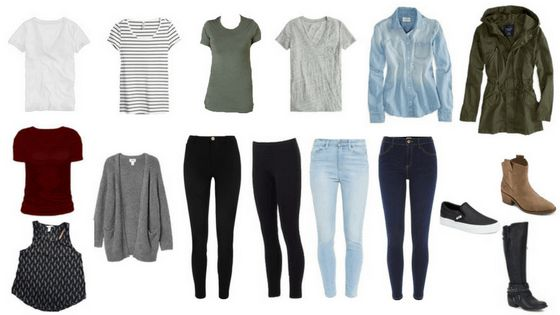
Mixing and matching clothes might sound like a skill reserved for fashion stylists or influencers, but the truth is—it’s something anyone can master with a little know-how. Creating stylish outfits doesn’t mean buying new clothes all the time. Instead, it’s about making the most of what you already own. When you learn how to combine pieces creatively, you’ll open the door to endless outfit possibilities without spending extra money.
In this guide, you’ll learn how to mix and match clothes easily, from understanding your personal style to using color, textures, and patterns like a pro.
1. Start by Understanding Your Personal Style
Before you start pairing random pieces together, it’s important to understand what style truly reflects you.
Ask yourself:
- Do you prefer classic, minimal, boho, sporty, or edgy looks?
- Which colors make you feel confident?
- What kind of clothes do you reach for most often?
Your wardrobe should represent your personality. When you understand your preferred style, mixing and matching becomes more natural because you’ll be combining pieces that already feel like “you.”
💡 Tip: Create a Pinterest board or save photos of outfits you love. You’ll start noticing patterns—like your favorite color schemes, silhouettes, or fabrics—that can guide your future outfit combinations.
2. Build a Capsule Wardrobe Foundation
A capsule wardrobe is a small collection of versatile pieces that can be mixed and matched effortlessly. Think of it as your style backbone—the go-to items that pair well with almost everything.
Here are some capsule basics to have in your closet:
- Tops: Plain t-shirts, button-down shirts, a denim shirt, and a neutral blouse.
- Bottoms: Blue jeans, black pants, beige trousers, and a denim skirt.
- Layers: A denim jacket, leather jacket, blazer, or cardigan.
- Shoes: White sneakers, neutral flats, ankle boots, or loafers.
- Accessories: A simple belt, a neutral handbag, and minimal jewelry.
These items can easily transition between casual and formal settings just by changing the combinations or adding accessories.
3. Stick to a Cohesive Color Palette
One of the easiest ways to mix and match clothes successfully is to choose a color palette that works well together. This doesn’t mean your wardrobe has to be all black, white, and gray—though neutral colors are great for versatility.
Try this approach:
- Neutrals: Black, white, beige, navy, or gray form the base of most outfits.
- Accent colors: Add two or three favorite colors like olive green, blush pink, or mustard yellow.
- Seasonal colors: Experiment with rich tones in winter (like burgundy or emerald) and bright tones in summer (like coral or sky blue).
When your clothes share a similar tone or hue, it’s much easier to combine them without clashing.
💡 Tip: You can use the 3-color rule—stick to a maximum of three main colors per outfit.
4. Mix Textures and Fabrics
If your outfit feels too plain, try mixing different textures. This trick instantly adds depth and interest.
For example:
- Pair a silk blouse with denim jeans for contrast.
- Combine a leather jacket with a cotton dress.
- Mix a wool sweater with a satin skirt.
Playing with textures prevents your outfit from looking flat and helps highlight certain pieces. It’s especially useful when you’re wearing similar colors—you can keep the palette simple while still looking stylish.
5. Play with Patterns, but Keep Balance
Patterns can be intimidating, but they’re also a great way to make outfits pop. The key is balance.
Here’s how to do it right:
- Start small: If you’re new to patterns, begin with simple ones like stripes or polka dots.
- Mix wisely: Pair a bold pattern (like florals or animal prints) with a neutral piece.
- Stay in the same color family: This keeps your outfit looking coordinated, not chaotic.
Example:
A striped t-shirt (black and white) with a floral skirt that shares a similar black tone will look coordinated rather than clashing.
6. Layer Smartly for Style and Function
Layering is a stylish way to mix and match while staying practical for changing weather. You can create entirely new outfits just by adding or removing layers.
Here’s a simple layering formula:
- Base layer: A fitted t-shirt, blouse, or tank top.
- Middle layer: A sweater, vest, or cardigan.
- Outer layer: A jacket, coat, or blazer.
Experiment by pairing a long-sleeve shirt under a sleeveless dress, or wearing a turtleneck under a blazer. This technique lets you wear the same clothes in multiple ways without feeling repetitive.
7. Use Accessories to Transform Your Look
Accessories can completely change an outfit’s vibe. A plain white shirt and jeans can look casual with sneakers and a tote bag, but instantly turn chic with heels and a statement necklace.
Try these ideas:
- Belts: Cinch a loose dress or oversized shirt for shape.
- Scarves: Add color or texture effortlessly.
- Jewelry: Mix minimal pieces for everyday looks or statement pieces for bold style.
- Bags: Choose structured ones for formal events and slouchy totes for casual days.
Don’t underestimate accessories—they’re the easiest way to add personality to your outfit.
8. Don’t Forget Fit and Proportion
Even the best outfit ideas won’t work if the clothes don’t fit properly. The secret to stylish mixing and matching is balancing proportions.
Here’s a simple rule:
- If one piece is loose or oversized, pair it with something fitted.
- Example: Baggy pants + fitted crop top.
- Example: Oversized shirt + skinny jeans.
Balancing fit keeps your outfit flattering and comfortable while preventing you from looking shapeless or overwhelmed by fabric.
9. Take Photos of Outfits You Love
Sometimes, you create an amazing outfit but forget how you did it. The best way to remember is by taking photos.
You can create a “style lookbook” on your phone:
- Take photos of outfits you love.
- Note what pieces you wore and how you layered or accessorized them.
Soon, you’ll have a digital collection of outfit ideas to inspire you on busy mornings or before special events.
10. Confidence Is the Final Touch
No matter how stylish an outfit is, the most important accessory is confidence. When you feel good in what you’re wearing, it shows.
Fashion is supposed to be fun—not stressful. So, don’t be afraid to experiment, mix unexpected pieces, or try new combinations. Over time, you’ll naturally develop an eye for what works and what doesn’t.
Conclusion
Learning how to mix and match clothes easily is all about creativity, confidence, and using what you already have in new ways. By understanding your style, building a versatile wardrobe, and playing with colors, textures, and layers, you can create countless outfits without ever feeling like you have “nothing to wear.”
The next time you stand in front of your closet, remember—style isn’t about owning more; it’s about doing more with what you own.
FAQs About Mixing and Matching Clothes
1. How can I mix and match clothes without clashing colors?
Stick to a cohesive color palette and use the three-color rule. Neutrals like white, black, gray, and beige go with almost everything, making it easier to combine with brighter colors.
2. What’s the best way to mix patterns?
Start by pairing one bold pattern with a simple one (like stripes with floral) in matching color tones. Avoid combining too many busy patterns in one outfit.
3. How do I make old clothes look new again?
Try layering them differently, adding accessories, or mixing them with trendy pieces. Even a classic white shirt can look new with creative styling.
4. Can I mix formal and casual pieces together?
Absolutely! Combining a structured blazer with jeans or a dressy blouse with sneakers can create a stylish, modern look known as “smart casual.”
5. What if I’m not sure what matches?
Start with neutral bases—jeans, white shirts, or black skirts—and slowly add one colorful or patterned item at a time. Over time, you’ll build confidence in pairing new combinations.