
How to Improve Body Posture Easily: A Complete Guide
December 5, 2025
How to Avoid Back and Neck Pain Naturally
December 5, 2025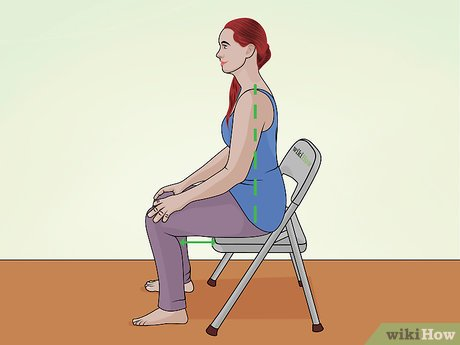
Good posture is more than just standing tall—it’s about keeping your body aligned in a way that reduces strain on your muscles and joints, improves breathing, and even boosts your confidence. In our modern world, where many people spend hours sitting at desks, looking at phones, or working on computers, maintaining good posture can be challenging. However, with some awareness, small adjustments, and consistent practice, it’s possible to improve your posture and protect your body from long-term problems.
In this article, we’ll explore practical strategies to maintain good posture daily, the benefits of standing and sitting correctly, and tips to make these habits part of your everyday life.
Why Good Posture Matters
Good posture isn’t just about appearance—it affects your overall health. Here are a few key reasons why maintaining proper posture daily is important:
- Reduces Back and Neck Pain
Poor posture places extra stress on your spine, muscles, and ligaments, which can lead to discomfort and chronic pain in your back, shoulders, and neck. Maintaining good posture helps evenly distribute weight and reduce unnecessary strain. - Improves Breathing
Slouching compresses your lungs, reducing oxygen intake. Standing or sitting upright allows your lungs to expand fully, improving breathing efficiency and energy levels. - Boosts Confidence and Mood
Studies show that standing or sitting tall can make you feel more confident and positive. Good posture can even improve your body language, making interactions with others more effective. - Supports Digestion and Circulation
Proper posture prevents unnecessary pressure on internal organs, supporting healthy digestion and blood flow. - Prevents Long-Term Problems
Consistently poor posture can lead to musculoskeletal issues, spinal deformities, and chronic pain over time. Developing good habits now reduces these risks in the future.
Tips for Maintaining Good Posture Daily
Here are practical steps you can follow to improve your posture throughout the day:
1. Be Mindful of Your Standing Posture
When standing, aim for a neutral and balanced stance:
- Feet: Keep your feet hip-width apart and distribute your weight evenly on both feet.
- Knees: Avoid locking your knees; keep them slightly bent.
- Hips and Spine: Engage your core muscles and align your hips over your feet. Avoid tilting your pelvis forward or backward.
- Shoulders: Keep shoulders relaxed, not rounded or hunched forward.
- Head: Keep your head straight with your ears aligned over your shoulders. Avoid pushing your chin forward.
2. Improve Your Sitting Posture
Most people spend a large part of their day sitting, especially at work. Proper sitting posture reduces back strain and improves focus:
- Chair Position: Sit back in your chair so your lower back is supported. Use a lumbar pillow if needed.
- Feet Placement: Keep your feet flat on the floor or on a footrest. Avoid crossing your legs for long periods.
- Monitor Height: Your screen should be at eye level to prevent neck strain.
- Elbows: Keep elbows close to your body at a 90-degree angle.
- Breaks: Take short breaks every 30–60 minutes to stand, stretch, or walk.
3. Strengthen Your Core and Back Muscles
Strong core and back muscles support your spine and make it easier to maintain good posture:
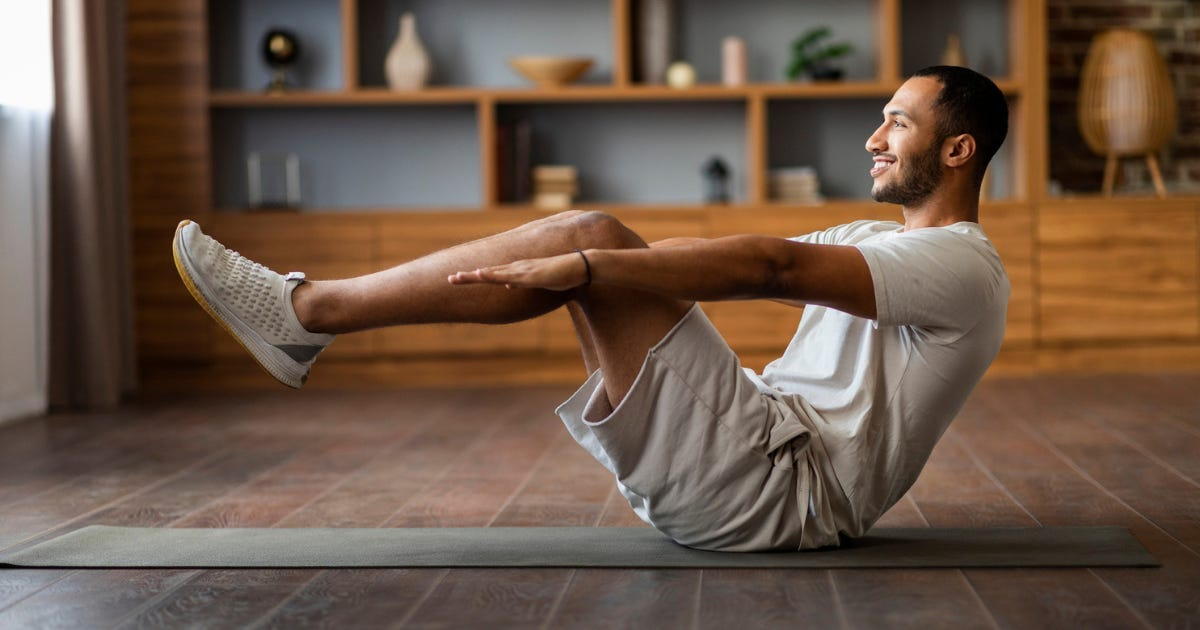
- Exercises: Include planks, bridges, and back extensions in your workout routine.
- Stretching: Stretching your chest, shoulders, and hip flexors can relieve tight muscles that contribute to slouching.
- Balance Exercises: Yoga, Pilates, and stability exercises improve posture and body awareness.
4. Use Ergonomic Tools
Ergonomic tools help you maintain proper posture effortlessly:
- Chairs: Choose an ergonomic chair with adjustable height and lumbar support.
- Desks: Your desk should allow your elbows to rest at a 90-degree angle while typing.
- Phone and Tablet: Hold devices at eye level instead of bending your neck downward.
5. Maintain Posture While Walking and Exercising
Good posture doesn’t stop when you leave your desk:
- Walking: Keep your head up, shoulders relaxed, and core engaged. Avoid leaning forward or looking down at your feet.
- Exercise Form: Pay attention to your posture during workouts. Correct form prevents injuries and strengthens the right muscles.
6. Develop Habits and Awareness
Improving posture is more about consistency than perfection:
- Set Reminders: Use phone alarms or sticky notes to check your posture throughout the day.
- Mirror Check: Occasionally, check yourself in the mirror to ensure your posture is aligned.
- Mindful Breathing: Breathing exercises can help you engage your core muscles and relax your shoulders.
- Small Adjustments: Making tiny posture corrections multiple times a day is more effective than occasional long sessions.
Common Posture Mistakes to Avoid
Even with good intentions, many people unknowingly maintain poor posture. Avoid these common mistakes:
- Slouching forward while sitting or standing
- Leaning on one leg for extended periods
- Craning your neck forward toward screens
- Crossing your legs while sitting for long hours
- Carrying heavy bags on one shoulder consistently
Being aware of these habits is the first step toward correcting them.
Benefits of Practicing Good Posture Daily
Maintaining proper posture daily has long-term advantages:
- Reduced Pain and Discomfort: Fewer headaches, neck, and back problems.
- Improved Body Alignment: Reduces strain on muscles and joints.
- Enhanced Energy Levels: Proper alignment makes movement more efficient and reduces fatigue.
- Better Confidence: Standing tall positively affects mood and interactions.
- Long-Term Health: Lowers the risk of spinal issues and musculoskeletal disorders.
Simple Daily Routine for Good Posture
Here’s a quick daily routine to support posture:
- Morning: Stretch your back, neck, and shoulders after waking up.
- During Work: Adjust chair and monitor height; take breaks every hour.
- Exercise: Include core-strengthening exercises 3–4 times a week.
- Evening: Perform gentle stretches for the chest and hip flexors before bed.
- Mindfulness: Regularly check posture while walking, sitting, and standing.
Consistency is key. Even a few minutes a day can significantly improve posture over time.
Conclusion
Maintaining good posture daily is a combination of awareness, practice, and habit. By standing and sitting correctly, strengthening core muscles, using ergonomic tools, and avoiding common mistakes, you can protect your body, improve health, and boost confidence. Remember, small adjustments made consistently are more effective than sudden, drastic changes. Your body will thank you with better alignment, reduced pain, and a healthier spine for years to come.
FAQs
1. How long does it take to improve posture?
Improvement depends on your current habits. With consistent practice, many people notice changes within 4–6 weeks, but full correction can take a few months.
2. Can posture affect breathing?
Yes. Slouching compresses the lungs, limiting oxygen intake. Upright posture allows full lung expansion and better breathing efficiency.
3. Is standing all day better than sitting?
Neither extreme is ideal. Alternating between sitting and standing, while maintaining good posture, is best for overall health.
4. Do I need special equipment to maintain good posture?
No. Awareness, regular stretching, and core exercises are most important. Ergonomic chairs and desks help but are optional.
5. Can kids develop bad posture?
Yes. Poor habits like slouching, heavy backpacks, or extended screen time can affect children. Encouraging healthy posture early is crucial.