

How to Write Blog Posts That Rank: A Complete Guide
December 5, 2025
Importance of Regular Health Checkups
December 5, 2025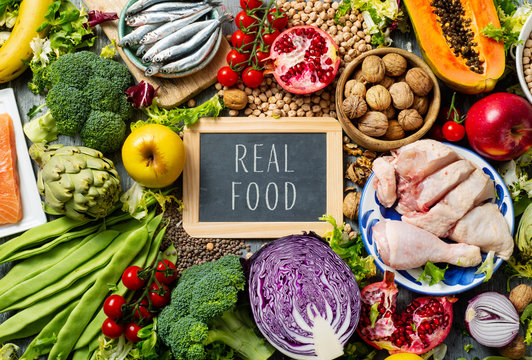
Maintaining good health and staying energetic throughout the day starts with what you eat. Food is not just fuel for the body; it is medicine, energy, and a source of strength. A balanced diet filled with nutritious foods helps your body function properly, boosts immunity, improves mood, and keeps your energy levels high. In this article, we will explore some of the best foods that promote good health and keep your energy steady all day long.
Why Food Matters for Health and Energy
The human body relies on nutrients from food to perform daily functions. Vitamins, minerals, proteins, healthy fats, and carbohydrates are essential for energy production and overall well-being. Eating processed or sugary foods may give a temporary energy boost, but it usually leads to crashes later. On the other hand, natural, nutrient-dense foods provide a steady supply of energy and support long-term health.
Top Foods for Good Health and Energy
Here’s a list of the best foods to include in your daily diet for optimal health and energy:
1. Leafy Green Vegetables
Leafy greens like spinach, kale, and Swiss chard are packed with vitamins, minerals, and antioxidants. They are rich in iron, calcium, and magnesium, which are essential for energy production. Eating greens regularly can boost your metabolism, improve blood circulation, and strengthen your bones.
Tip: Add a handful of spinach or kale to your smoothies, salads, or soups for a nutrient boost.
2. Whole Grains
Whole grains such as oats, brown rice, quinoa, and whole wheat are excellent sources of complex carbohydrates. Unlike refined grains, they release energy slowly, keeping you full and energized for longer periods. Whole grains also contain fiber, which improves digestion and supports heart health.
Tip: Start your day with oatmeal topped with fruits and nuts to fuel your morning.
3. Nuts and Seeds
Almonds, walnuts, chia seeds, and flaxseeds are rich in healthy fats, protein, and essential minerals. These foods provide long-lasting energy, improve brain function, and promote heart health.
Tip: Snack on a small handful of mixed nuts or sprinkle chia seeds in yogurt or salads.
4. Fresh Fruits
Fruits like bananas, berries, oranges, and apples are not only delicious but also high in natural sugars, fiber, and antioxidants. Bananas, for example, are an excellent source of potassium and provide quick energy, while berries help fight free radicals and support overall health.
Tip: Keep fresh fruits handy as a healthy snack option for energy during the day.
5. Lean Proteins
Protein-rich foods like eggs, chicken, fish, tofu, and legumes are essential for muscle repair, energy production, and overall vitality. Proteins help you feel full, reduce cravings, and provide the body with the building blocks it needs for growth and recovery.
Tip: Include a source of lean protein in every meal to maintain energy levels.
6. Dairy Products
Milk, yogurt, and cheese are rich in calcium, vitamin D, and protein. These nutrients are crucial for strong bones, teeth, and muscles. Yogurt also contains probiotics that improve gut health, which is directly linked to energy and overall well-being.
Tip: Choose low-fat or unsweetened options for maximum benefits.
7. Legumes and Beans
Lentils, chickpeas, black beans, and kidney beans are excellent sources of plant-based protein, fiber, and iron. They provide long-lasting energy, support heart health, and regulate blood sugar levels.
Tip: Add beans to salads, soups, or curries for a nutritious boost.
8. Healthy Fats
Avocado, olive oil, and fatty fish like salmon contain omega-3 fatty acids that reduce inflammation, improve brain health, and provide steady energy. Healthy fats are essential for hormone regulation and the absorption of fat-soluble vitamins (A, D, E, and K).
Tip: Drizzle olive oil over salads or enjoy avocado slices with your meals.
9. Water
While not a food, staying hydrated is crucial for energy. Dehydration can cause fatigue, headaches, and poor concentration. Drinking enough water throughout the day keeps your body energized and supports digestion, circulation, and temperature regulation.
Tip: Aim for at least 8 glasses of water daily, and include hydrating foods like cucumbers and watermelon.
10. Herbal Teas
Green tea, ginger tea, and chamomile tea are packed with antioxidants and have mild stimulants that increase alertness without causing jitters. Green tea, in particular, can enhance metabolism and provide a gentle energy boost.
Tip: Replace sugary drinks with herbal teas to stay energized naturally.
Tips to Maximize Energy from Food
- Eat Balanced Meals: Include a mix of carbohydrates, proteins, and healthy fats in each meal.
- Avoid Sugary Snacks: They may spike your energy but lead to crashes later.
- Snack Smartly: Choose nuts, fruits, or yogurt instead of processed snacks.
- Don’t Skip Breakfast: A nutritious breakfast sets the tone for the day.
- Stay Hydrated: Dehydration can drain your energy faster than you realize.
Conclusion
Good health and energy are the results of mindful eating and choosing nutrient-rich foods. Leafy greens, whole grains, nuts, fruits, lean proteins, legumes, and healthy fats should form the foundation of your diet. Pair these with proper hydration, balanced meals, and smart snacking to maintain energy throughout the day. By prioritizing natural, wholesome foods, you not only boost your vitality but also protect your body from illnesses and enhance overall well-being.
Frequently Asked Questions (FAQs)
1. Can eating certain foods really increase energy levels?
Yes! Foods rich in complex carbohydrates, proteins, and healthy fats provide a slow and steady release of energy, preventing fatigue and keeping you active.
2. Are fruits better than sugary snacks for energy?
Absolutely. Fruits contain natural sugars and fiber, which provide quick energy without the crash associated with processed sugary snacks.
3. How much water should I drink daily for optimal energy?
On average, 8 glasses (around 2 liters) of water daily are recommended. This can vary depending on your activity level, climate, and diet.
4. Can vegetarian diets provide enough energy?
Yes. Vegetarians can get sufficient energy from whole grains, legumes, nuts, seeds, dairy, and vegetables. Combining proteins and complex carbs ensures steady energy.
5. Is it important to eat breakfast for energy?
Yes. Breakfast kickstarts your metabolism and provides the energy needed for your morning activities. A balanced breakfast with protein, fiber, and healthy fats is ideal.